
Acrylic Sealant Applications for Effective Winter Home Maintenance
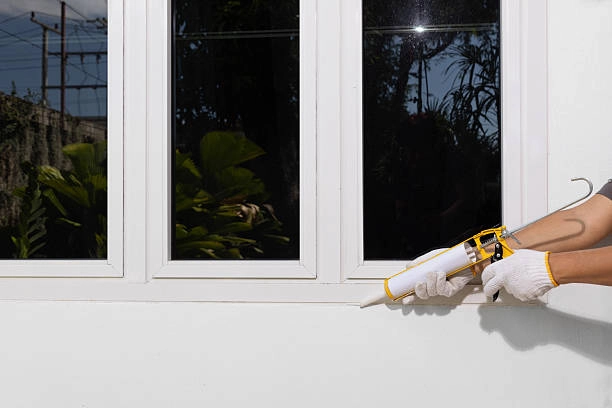
Before winter’s first frost, landlords should take simple steps to protect their properties from the tough weather of cold, ice, and dampness. One cheap, effective fix is using acrylic sealants on weak spots.
They stop drafts and water from getting in. Plus, they boost energy savings and keep property worth up with basic upkeep.
Preparing the Property for Cold Weather Exposure
Conducting a Full Exterior and Interior Walkthrough
A full check of outside and inside areas matters a lot. Pay attention to usual trouble spots like:
- Window and door frames
- Wall penetrations for plumbing and cables
- Basement wall joints and floor edges
Spot any clear cracks in siding, mortar, or trim. Old sealant lines that look shrunken or worn out need removal and fresh application. These spots often let heat escape and water sneak in.
Evaluating Heating Systems and Insulation
As part of your pre winter list. Book HVAC servicing and swap out filters. Use smoke or thermal tools to find air leaks in ductwork. Check that attic and wall insulation match current standards to cut down heat loss.
These steps work well with sealing to fix bigger energy problems.
Sealing High-Risk Areas with Acrylic Sealant
Window and Door Frames as Primary Draft Points
Window casings and door frames often let cold air slip through. Acrylic sealant fits great here. It’s paintable and sticks to usual building stuff like wood, vinyl, and aluminum.
- Put a line of acrylic sealant around window casings to stop air from coming in.
- For doorframes where weather stripping is old or broken, seal the joints with a bendy acrylic type that handles seasonal shifts.
- Pick paintable kinds like Kingdeli HY-972 to get a smooth look that matches trim or siding.
Baseboards, Trim, and Utility Penetrations
Gaps between floorboards and trim can hide but cause big energy waste. Also, wall holes for plumbing or cabling let drafts in if not sealed right.
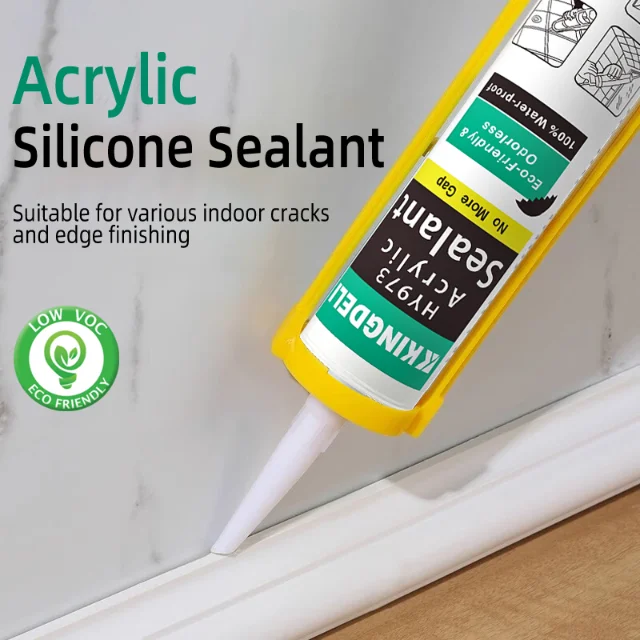
Fill clear gaps along baseboards with a strong waterproof and anti-mildew acrylic sealant. Around utility lines, select a bendy acrylic sealant that holds up to small shifts without breaking.
Moisture Management During Freeze-Thaw Cycles
Protecting Bathrooms, Kitchens, and Laundry Areas
These rooms stay damp all year. In winter, bad sealing leads to condensation. That can start mold. Use moisture-proof acrylic sealants in spots with lots of humidity, especially near sinks, bathtubs, showers, and backsplashes.
Kingdeli HY-973 works as a good gap filler acrylic silicone sealant with anti-mildew features for kitchens and bathrooms. Make sure to ventilate well to cut down moisture buildup.
Preventing Water Ingress at Exterior Transitions
Winter snowmelt can leak into siding joints or deck edges without good seals. Look at places where walls meet flat surfaces. Check the siding to foundation seam and put exterior grade acrylic sealant along flat joins.
Remember to inspect thresholds of exterior doors or attached decks. Standing water pools there during thaws.
Enhancing Safety Through Seasonal Maintenance Measures
Securing Roofs, Gutters, and Downspouts with Proper Sealing
Ice dams build up when warm air leaks from an unsealed roof. It melts snow, which freezes again at the edges. Stop this by sealing main parts. Put sealant around flashing at chimneys or skylights to block leaks.
Make gutters leak proof by sealing seams. This stops overflow near foundations.
Walkway Cracks and Entry Points Subject to Ice Accumulation
Water in small concrete cracks grows when it freezes. This makes bigger breaks and slippery spots.
- Use an acrylic-based concrete filler to fix these cracks before the first freeze.
- Seal bumpy joints or changes near doorways to lower ice buildup dangers.
Long-Term Benefits of Acrylic Sealants in Property Management
Reducing Energy Consumption Through Improved Air Sealing
When applied right, acrylic sealants cut air leaks a lot. Well sealed properties hold heat better in winter. Tenants get steady indoor warmth. This might mean fewer thermostat changes and lower heating costs.
Lowering Maintenance Costs Over Time
Acrylic sealants save on energy and cut future fixes. Early sealing lessens big repair bills from water harm or draft troubles. When done well, Kingdeli’s types last long with few re-dos needed.
Choosing the Right Acrylic Sealant for Winter Applications
Key Performance Characteristics for Cold Weather Use
Not every sealant deals with freezing well. Pick ones made for the season:
| Feature | Importance |
| Low-temperature flexibility | Prevents cracking during contraction |
| Paintability | Maintains finish consistency |
| Adhesion to multiple substrates | Allows use on mixed materials |
| Waterproof after curing | Prevents moisture seepage |
Kingdeli’s HY-972 gives a good mix of bendiness, paintability, and sticking to rough surfaces like drywall, concrete, wood, and PVC.
The Role of Professional Suppliers in Product Selection
Kingdeli’s know how in making strong sealing products helps with toughness and simple use in changing weather. Their tech team checks quality from raw materials to final tests.
Integrating Acrylic Sealants into an Annual Maintenance Plan
Scheduling Preventative Sealing Ahead of Winter Onset
Timing counts. Don’t wait for freezing weather. Add sealing jobs to your early fall plan. Ensure surfaces are clean and dry before you apply. Let it cure fully (usually 24 hours) before cold or wet hits.
Leveraging Expert Support for Scalable Property Portfolios
Landlords with many units want steady results. Kingdeli offers supply options that fit property managers’ needs for reliable work across different buildings. This eases planning while keeping quality even on big sites.
FAQ
Q1: Can acrylic sealant be used outdoors in winter?
Yes, but choose a formulation rated for low temperatures and ensure it cures before freezing sets in.
Q2: How long does acrylic silicone sealant take to dry?
Most products cure within 24 hours under normal conditions. Always follow manufacturer instructions.
Q3: Is it safe to apply sealant over old caulk?
No. Always remove deteriorated caulk before applying new sealant for optimal adhesion.
Q4: What makes Kingdeli’s acrylic sealants different?
Kingdeli’s HY-972 is paintable, durable, and exhibits strong adhesion to porous surfaces like wood, concrete, and drywall.
Q5: Can I use one sealant type for both kitchen and windows?
Not recommended. Kitchens need mildew-resistant formulations; windows require flexible, paintable options suited for exterior use.