
Best Caulk for Showers: The Complete 2026 Buyer’s Guide
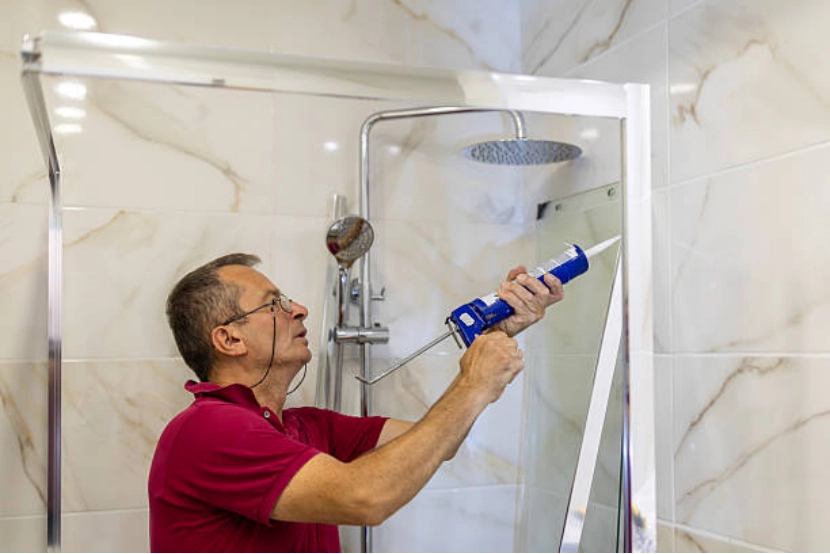
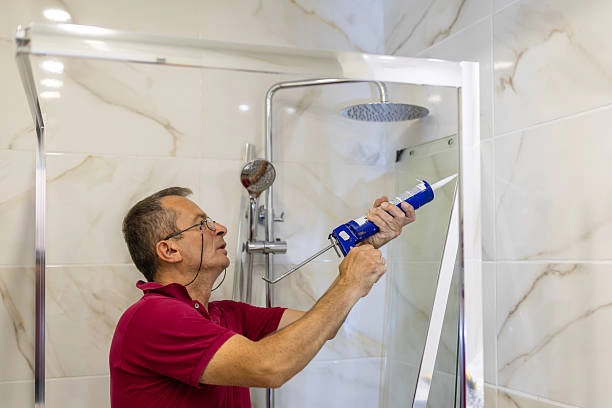
Picking the right caulk for showers goes beyond just taking any tube off the hardware store shelf. The tough setting inside your shower—with steady dampness, shifts in heat, and possible contact with chemicals—calls for a strong sealant that can handle these issues for a long time. Silicone-based caulks regularly do better than other choices in shower spots because of their great ability to keep water out and their bendiness.
Importance of Choosing the Right Shower Caulk
Impact of Water Exposure on Caulk Performance
Water acts as the main foe of low-grade caulks. In shower spots, ongoing contact with wetness can make weak sealants fall apart, split, or lose their grip in just a few months. Silicone sealants show strong waterproof traits. They keep their strength even with steady water contact. This turns them into the top pick for places with full water dipping.
Challenges Posed by Mold and Mildew
Bathrooms create perfect spots for mold and mildew to grow—warm air, wetness, and natural stuff. Regular caulks often turn into spots where these things thrive. This leads to ugly dark marks and possible health worries. New mixes now add anti-fungal stuff that fights against germ growth.
Effects of Temperature Changes on Caulk
Showers go through big heat changes, from cool room air to hot water while in use. Good silicone sealants hold up well between -50℃ and +150℃ after they set. So, they won’t break or fail during normal use.
Chemical Exposure Considerations
Cleaning items, soap leftovers, and body care products can attack some caulk kinds with chemicals. Neutral cure silicones give better defense against chemicals than acetic cure types. This makes them more fitting for long-lasting shower use.
Comparing Silicone and Other Shower Caulk Types
Benefits of Silicone for Shower Use
Silicone sealants come as pastes that harden when they meet wetness in the air. They form a sturdy rubber-like material with firm grip and good resistance to weather. They offer strong bendiness, which lets buildings shift without breaking the seal. Their smooth surface fights off stains and eases cleaning.
Situations Where Other Caulk Types May Be Suitable
Acrylic caulks might fit in areas with little wetness or short-term jobs where you need to paint over them. But these cases are uncommon in real shower setups where water contact happens all the time.
Limitations of Non-Silicone Caulks in Showers
Old-style acrylic and latex caulks soak up water as time passes. This causes them to swell, crack, and finally break down. They also stick poorly to usual shower stuff like ceramic tile and fiberglass. So, they don’t work well for key jobs that block water.
Key Features of High-Quality Shower Caulk
Advanced Mold-Free Formulations
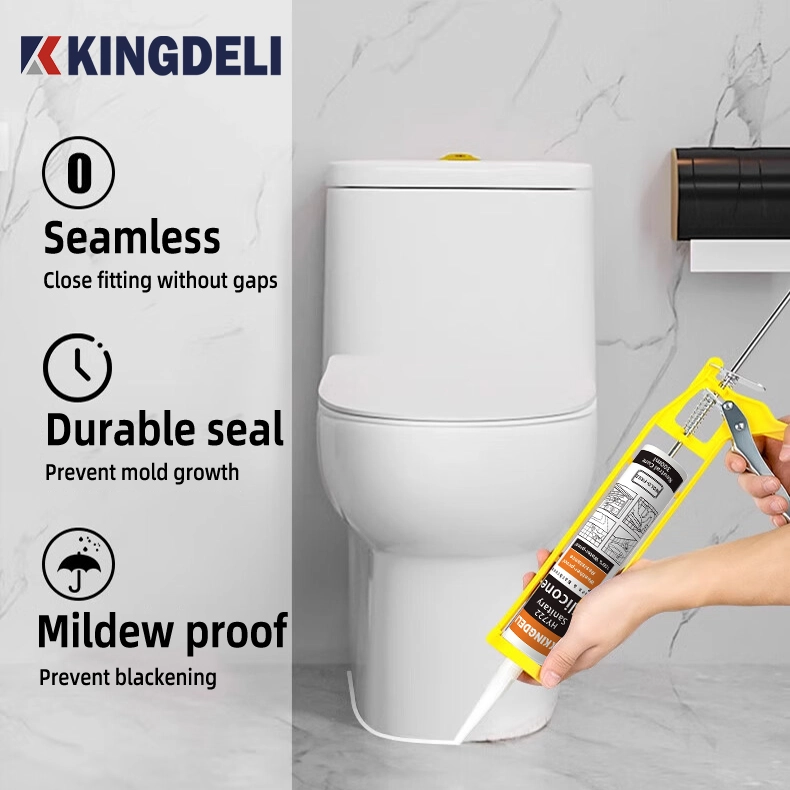
Current shower caulks mix in germ-killers and anti-fungal agents that stop mold from growing. Sanitary silicone sealants have great resistance to fungus and getting old. This suits them well for damp spots like bathrooms and kitchens where fungus on sealants shows up often.
Differences Between Neutral Cure and Acetoxy Cure
Neutral cure sealants don’t harm metal or cement. But acetoxy cure sealants can eat away at some metals. For shower jobs, neutral cure choices work better with different surfaces. They also make less smell while setting.
Importance of Stain Resistance
Top shower caulks fight off color changes from soap buildup, hard water bits, and cleaning stuff. This keeps their look nice and cuts down on upkeep needs over time.
Quick Waterproofing Capabilities
The top shower caulks build water resistance fast—often in hours instead of days. This cuts down on breaks in bathroom use during setup or fix jobs.
Top Shower Caulk Recommendations for 2026
Premium Option: HY-722 Sanitary Neutral Silicone
This stands as the top standard for shower jobs. It offers better mold resistance and neutral cure makeup that won’t harm fixtures.
Best Choice for Natural Stone Showers: Natural Stone Silicone
Made specially for stone jobs, this stops stains on marble, granite, and other natural stuff while giving strong grip.
Budget-Friendly Options to Consider
Good quality doesn’t always need high prices. Several makers, including trusted sealant suppliers like Kingdeli, provide solid shower caulks at fair costs. Kingdeli has made sealants and adhesives for more than twenty years. They focus on products for building waterproofing and joining materials.
Guide to Professional Shower Caulking Application
Effective Removal of Old Caulk
Full removal of old caulk matters a lot. Use a sharp utility knife and caulk removal tools to get rid of all bits of old stuff, including any leftovers on surfaces.
Essential Surface Preparation Steps
Clean all surfaces with grease removers and let them dry fully. Any wetness, soap bits, or cleaning leftovers can mess with the grip.
Techniques for Applying Caulk Professionally
Put on steady pressure while keeping the bead size even. Smooth the joint within the sealant’s work time—usually 5-10 minutes for most mixes. Take away extra stuff right away.
Curing and Maintenance Tips
Most silicone caulks form a skin in 30 minutes but need 24 hours to set fully. Keep water away during this time to make sure of good grip and work.
Common Mistakes in Shower Caulking and Solutions
Avoiding the Use of Acrylic Instead of Silicone
Many home fixers pick acrylic caulk because you can paint it and it costs less. However, this pick causes early breakdowns in shower spots.
Risks of Applying New Caulk Over Old Layers
Putting new caulk on top of old stuff makes weak spots where water can get in. Always take off old caulk fully before adding fresh sealant.
Ensuring Proper Surface Preparation Before Application
Hurrying the prep step leads to most caulking flops. Spend time to clean and dry surfaces well—it decides if a fix lasts months or years.
Importance of Allowing Adequate Cure Time
Letting fresh caulk meet water too soon hurts its traits. Plan setups to give full setting time, even if it brings short-term hassle.
Maintaining Your Shower Caulk for Longevity
Establishing a Regular Cleaning Routine
Weekly cleaning with mild soap stops buildup of soap scum and mineral spots that can hold mold growth.
Deep Cleaning Techniques for Persistent Stains
For tough color marks, use bleach cleaners carefully—too much can wear down even good silicone over time.
Indicators That Recaulking is Necessary
Watch for cracks, gaps, color changes, or water leaks around joints. These signs show the sealant has hit the end of its useful time.
Frequently Asked Questions About Shower Caulking
Identifying 100% Waterproof Caulk Options
Good silicone sealants give strong waterproof traits. They get made specially for ongoing water contact.
Understanding the Longevity of Shower Caulk
Top silicone caulks usually last 5-10 years in shower jobs, based on use and care.
Risks of Using Regular Caulk in Showers
Standard building caulks miss the water defense and bendiness needed for shower spots. This leads to quick breakdowns and possible water harm.
Best Practices for Applying Mold-Resistant Caulk
Make sure surfaces dry out fully. Apply in thin even beads. Smooth joints right to get rid of air spots where mold can start.
Investing in Quality Shower Sealing Solutions
The gap between top and cheap caulks shows up over time. While starting costs might run higher, good products from known makers bring better work and longer life. Pro setup ways mixed with right product picks make sure your shower stays water-tight and nice-looking for years ahead.