
Best RV Sealant Guide: Types, Uses & Pro Application Tips
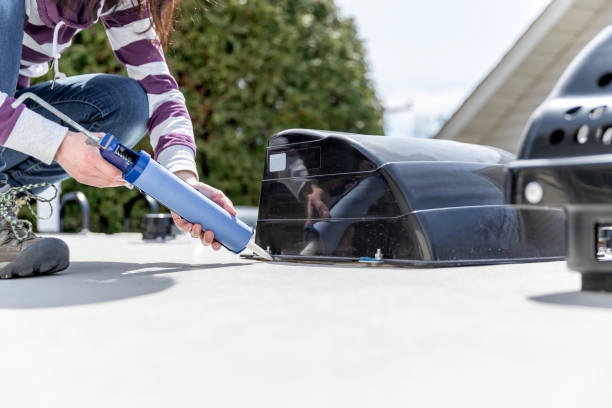
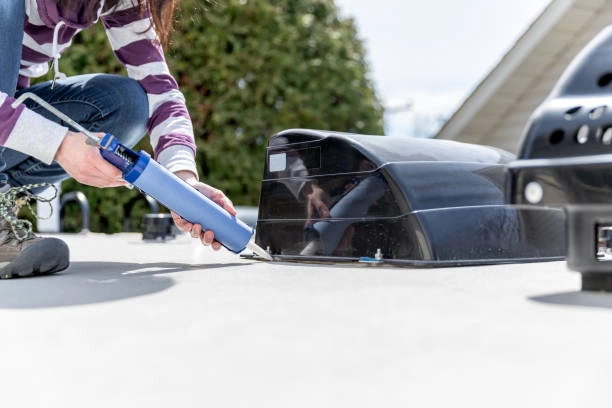
A well-sealed RV isn’t just about looks—it’s your main shield against leaks, rust, and expensive structural harm. Picking the best camper sealant makes sure your vehicle handles heavy rain, hot sun, and steady shaking on the road. The trick is knowing where to put it, which kind fits each spot, and how to keep it up for lasting safety.
Understanding the Importance of RV Sealants
Before jumping into product kinds, it’s key to see why sealants mean so much for campers and RVs.
Why Sealants Are Essential for Campers and RVs
Sealants work as a strong wall against water getting in, UV rays, and shifts in temperature. They stop dampness from sneaking into seams or joints. This can lead to mold or rot. Good sealing stretches the life of your RV’s roof and body. It also holds its resale worth. Regular upkeep stops big fixes from hidden leaks—especially near vents or windows where water slips in often.
Common Areas That Require Sealing
The spots most likely to leak include roof seams, vents, skylights, and air conditioners. You should also look at areas around windows, doors, trim edges, and joints between panels or fixtures. These are weak points where stuff stretches and shrinks with weather changes.
Types of RV Sealants and Their Applications
Different RV parts need different mixes. If you pick the wrong one, it might not stick or could split over time.
Self-Leveling Sealants for Roofs and Flat Surfaces
Self-leveling sealants fit best for flat spots like roofs and gutters. They spread out even on their own. People often use them around roof vents or skylights. This makes a smooth top without extra shaping. This kind gives great water resistance and UV strength—just right for flat areas open to sunlight.
Non-Sag Sealants for Vertical Surfaces
For sidewalls or windows, non-sag types are a must. They hold their spot without running down. HY-2100 General Use Neutral Silicone Sealant is a one-component, shelf-stable, neutral-cure elastomeric adhesive designed for general use. It has no sag and excellent bonding properties for most building materials. This gives firm sticking on upright joints like doors or trim edges. It fights gravity while setting.
Key Features to Look for When Choosing an RV Sealant
Choosing the right camper sealant involves checking several work traits beyond cost.
Flexibility and Durability on the Road
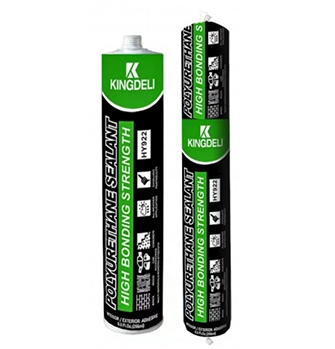
RVs bend a lot from road shakes and weather ups and downs. Bendy sealants stop breaks or flaking in these cases. Polyurethane-based items like HY-922 Multiple Purpose Polyurethane Sealant forms a flexible and tough joint with very good adhesive on most materials.” deal with motion very well. At the same time, they keep power.
UV Resistance for Long-Term Protection
Sunlight can wear out plain caulks fast. UV-proof mixes keep stretch longer—great for roof seams that get direct sun all day. Silicone-based goods such as neutral silicone sealant exhibits excellent water resistant, UV resistance and weather resistant properties. give top outdoor staying power.
Waterproof Performance for Leak Prevention
A waterproof wall is a must in any RV roof sealant. HY-726 Premium Clear Neutral Silicone Sealant exhibits excellent waterproof, mildew-proof and aging resistance. These traits make sure full guard from rain or wetness. Otherwise, it could creep into inside walls.
Compatibility with Multiple Materials
Today’s campers mix fiberglass, aluminum, rubber sheets, wood edges—and each stretches in its own way. Multi-surface fit cuts the need for many products in fixes. Hybrid MS polymer sealant can effectively resolve these issues.
How to Apply RV Sealant Like a Professional
Even top sealants flop if put on wrong. Getting ready is the big part here.
Preparing the Surface Before Application
Clean well with gentle soap or mineral spirits to clear dirt or old bits. Let spots dry all the way—wetness blocks sticking even with wet-setting types.
Applying a Smooth Bead of Sealant
Push steady on your caulking gun. Move at a steady speed along seams. Stick to maker rules on bead size; too much wastes or sets bumpy.
Tooling and Finishing Techniques
For non-sag goods like HY-2100 noted before, even it out with a finish tool or finger in soapy water. Do this before the top layer starts. Skip heavy work on self-leveling kinds—they drop into an even coat on their own.
Curing Time and Aftercare Tips
Most silicone-based camper sealants need 24–48 hours before full rain wash. Polyurethane sorts might take more time based on wet air levels. Check while setting; quick fixes save redo work later.
| Sealant Type | Typical Cure Time | Ideal Application |
| Self-Leveling Silicone | 24–48 hours | Roofs & Skylights |
| Non-Sag Silicone | 24 hours | Windows & Trim |
| Polyurethane | 48–72 hours | Joints & Panels |
| MS Polymer | 24–36 hours | Multi-material areas |
Maintenance Tips for Long-Term RV Protection
Smart sealing ways don’t stop after putting it on—they go on with normal checks.
How Often to Inspect Seals
Check every three to six months based on weather face time. Look hard at corners where stretch strain often splits old lines.
Removing Old or Damaged Sealant
Pick a plastic scraper over metal ones to skip scratching paint. Clean left-over bits fully before new stuff goes on—especially if changing from silicone to polyurethane bases. They don’t always join well.
Common Questions About Camper & RV Sealants
Can I Use Regular Silicone from a Hardware Store?
Plain home silicone usually misses UV helpers or bend needed for moving spots—it might flake in months under shake stress.
How Do I Know If My RV Has Water Damage?
Look for soft areas near roof boards or stale smells in storage spots—these often show caught wet behind seams.
What’s the Lifespan of an RV Sealant?
Top-quality mixes usually hold two to five years. It depends on weather setup and care rhythm.
Advanced Insights into Modern RV Sealant Technology
New ideas in sealant makeup have made today’s goods much more trusty than old ones from years back.
Differences Between Silicone, Polyurethane, and Hybrid Formulas
Silicone stays liked for stretch; polyurethane shines in stick power; hybrid MS polymers mix both sides. Plus, they take paint—a rare plus among bendy sealants now.
Understanding Self-Leveling vs Non-Sag Properties in Detail
Self-leveling runs easy over flat roofs. It makes water-tight sheets. Non-sag holds firm on upright joints. This lets exact handle without drops—each built on purpose, not to swap.
Sustainable Options in Camper & RV Maintenance
Care for the earth now shapes even glue tech picks among manufacturers like Kingdeli in China—a firm known wide for its low-VOC new ways across many fields since 1998.
Eco-Friendly Sealant Choices
HY-972 High-Elasticity Acrylic-Silicone Sealant is a versatile, eco-friendly acrylic sealant that complies with low-VOC standards. These low-gas picks cut bad smells without losing water-proof work—a smart choice when doing inside or near wild places on camp outings.
Extending Longevity Through Preventive Care
Easy ways—like wiping dust from seams after rides or covering your setup in storage—can double your redo time. They cut UV hit and junk pile that wears caulk sides too soon.
Kingdeli keeps leading new ideas in adhesives. It mixes strong study with tight quality checks under ISO and CE marks around the world. Its line—from silicone weatherproof sorts like HY-3300 to hybrid green mixes such as HY-994—gives solid answers. Whether you’re closing a camper roof seam or joining aluminum trim boards, it works. For folks set on long RV safety with pro-level trust, Kingdeli’s know-how turns upkeep into calm on each trip coming.