
Best Sealants for Concrete Crack Repair: Materials, Methods, and Performance
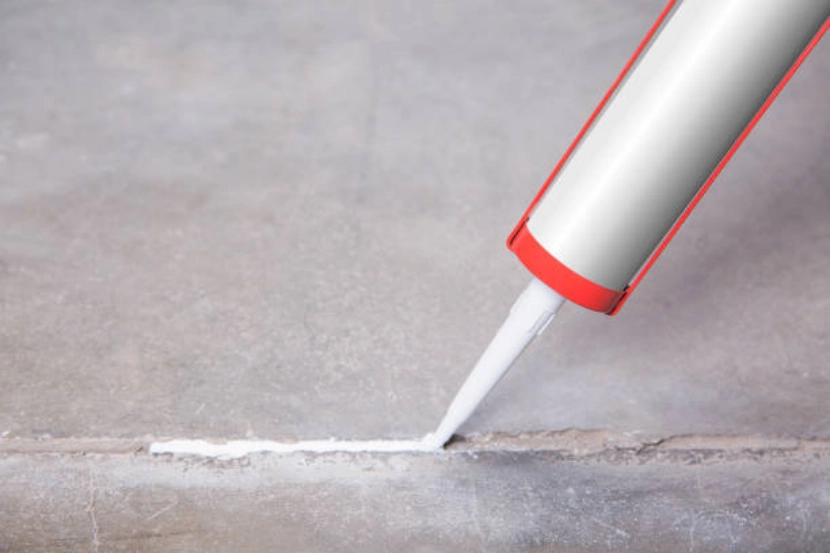
Concrete cracks go beyond simple looks issues — they might show basic structural strain or contact with harsh weather. If you’re facing fine splits or growing spaces, a proper concrete crack sealant can greatly boost the lifespan of your concrete areas. Selecting from epoxy, polyurethane, or acrylic choices relies on various elements, such as the crack’s kind and your nearby weather.
Understanding Concrete Cracks and Their Causes
Types of Cracks in Concrete
Cracks differ a lot. Some stay just for show, but others risk your building’s core strength. Structural cracks often reach far inside the concrete. They could stem from weight pressure or base shifts. Non-structural cracks, like top-layer webbing or slight drying, generally spare stability. Yet they can let water seep in anyway.
Shrinkage cracks tend to appear while concrete sets and drops water. Settlement cracks show up if the base soil moves. Expansion cracks happen because of heat changes. These make the stuff swell and shrink.
Common Causes of Concrete Cracking
Weather strain has a major part. Temp swings bring swelling and shrinking. Dampness amounts change inner forces. Weak building habits — such as too little setting time or cheap stuff — just worsen it. Weight strain from big gear or moving bases can also spark deep structural cracks.
Identifying Active vs. Dormant Cracks
You should figure out if a crack keeps shifting before picking a concrete crack sealant. Try crack watchers or plain tape marks to check if it spreads as time passes. Watching this way stops early fix flops. This is key for lively cracks that need stretchy sealants like polyurethane.
Choosing the Right Sealant for Concrete Crack Repair
Polyurethane Sealants for Flexible Repairs
Polyurethane sealant has good cold resistance and wear resistance, but its heat resistance is inferior to that of silicone. It is mainly used in applications such as automotive windshields. These traits make polyurethane sealants great for closing lively or shifting cracks in concrete too. They keep bend over years. Plus they grip well on moist spots. That fits spots with changing wet levels.
Epoxy Sealants for Structural Repairs
Epoxy-based sealants give strong sticking power. People use them a lot for structural fixes. Their chief job is sticking. They join one thing to another with glue force. They fit best on dry, neat faces. Epoxy setups bring back structural wholeness. But they miss bend, so they don’t suit cracks that keep going.
Acrylic and Silicone-Based Sealants
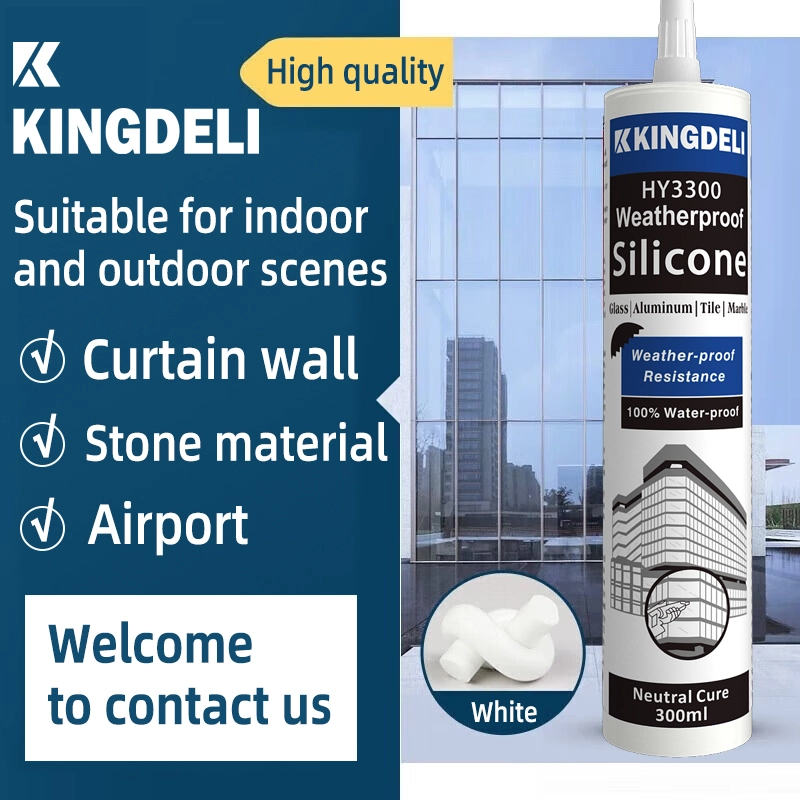
Acrylic and silicone sealants suit non-structural or looks-based mends. Acrylic sealants cure by releasing water and become relatively hard after curing; they are mainly used for sealing doors and windows. Ones like Kingdeli’s HY-972 give solid grip on holey faces. You can paint them after they set. HY-3300 and other silicone sealants offer excellent waterproofing, UV resistance, and weather resistance. This makes them good for outside jobs.
Climate Considerations in Sealant Selection
Weather counts. In warm, dry lands, fast drying can block setting — pick bendy, sun-proof mixes. For damp areas, go for mold-fighting goods with firm grip on wet bases. Icy places call for rubbery sealants. These hold up to freeze-thaw rounds without splitting.
Methods for Effective Crack Repair
Preparing the Surface Before Sealing
Clear away all junk, grit, and free bits with air blasts or a stiff brush. How dry the face is hinges on the sealant — polyurethane takes some wet; epoxy won’t. A neat base makes for better sticking and fixes that last.
Routing and Sealing Techniques
For big cracks, routing (widening) the space gives an even shape for the sealant. Put in backer rods. They manage depth and form of the line. It stops three-way sticking. And it boosts stretch.
Injection Methods for Fine or Deep Cracks
Low-pressure injection systems are commonly used with epoxy or polyurethane sealants to fill deep or hairline cracks. Vertical surfaces require slow curing formulations to avoid sagging, while horizontal surfaces benefit from fast-setting materials.
Performance Factors That Affect Long-Term Results
Adhesion Strength and Flexibility of Sealants
How well a sealant pulls without ripping matters in busy settings. Displacement capability, due to thermal expansion and contraction causing substrate interface displacement, requires sealants with high displacement capabilities — especially true for exterior applications like parking decks or driveways.
Resistance to Water, Chemicals, and UV Exposure
Outdoor repairs need robust resistance to water ingress, UV rays, and chemical spills. HY-3300 weather-resistant neutral silicone sealant has excellent waterproof, UV resistance, and weather resistance properties.
Curing Time and Application Conditions
Sealant performance varies with temperature and humidity during application. For instance, the curing mechanism of single-component products is related to environmental climate; higher temperature and humidity result in faster curing; Always check the manufacturer’s recommended application range — Kingdeli’s products typically perform well between -50 °C and +200 °C post-curing.
Repair Considerations Based on Environmental Conditions
Hot and Arid Climates (Desert Regions)
You’ll face rapid solvent evaporation here. Choose flexible polyurethane or high-modulus silicone products that can handle thermal expansion without becoming brittle.
Humid and Tropical Climates
Mold resistance becomes critical. HY-722 sanitary-grade silicone sealant exhibits minimal performance changes within a temperature range of -50℃ to 150℃ and possesses excellent mildew resistance and aging resistance.
Freeze-Thaw Environments with Temperature Fluctuations
Elasticity is essential in areas where water enters cracks then freezes. Look for sealants with high elongation capacity that won’t tear under stress.
Tips to Prevent Future Concrete Cracks After Repair
Proper Joint Placement in New Concrete Installations
Strategic joint design helps control cracking patterns by guiding where movement occurs — better to have a planned joint than a random fracture.
Adequate Curing Practices During Construction
Keeping concrete moist during early curing prevents shrinkage cracks. Don’t rush this phase — poor curing leads to early-age cracking.
Protecting Concrete from Environmental Stressors
Using surface sealers or coatings reduces water infiltration and shields concrete from chemical attack and UV degradation.
Common Questions About Concrete Crack Sealants
Can I Use Crack Sealant as a DIY Project?
Yes — for small, non-structural cracks using acrylic or silicone-based sealants. But if you’re dealing with structural issues or active movement, call a contractor.
How Long Will a Crack Repair Last?
Depends on material choice, preparation, and exposure conditions. Epoxy repairs on stable structures may last decades; flexible polyurethane in dynamic joints might need touch-ups after several years.
What’s the Ideal Season for Crack Repairs?
Moderate temperatures — ideally between 10 °C and 25 °C — support optimal curing. Avoid rainy days or freezing conditions.
Why Do Some Repairs Fail Prematurely?
Common mistakes include poor surface prep, wrong product selection, or applying under unsuitable weather conditions.
Should Hairline Cracks Be Sealed?
Yes — even tiny cracks can admit moisture that leads to freeze-thaw damage or corrosion of embedded steel.
Expertise Behind Reliable Sealant Performance
Kingdeli, a professional manufacturer based in Foshan since 1998, specializes in high-quality adhesives and sealants used across construction, automotive, and industrial sectors. Their product line includes everything from structural epoxy systems to flexible polyurethane formulations — tested under rigorous standards like ASTM C920 to ensure long-term performance.
Whether you’re patching a driveway crack or stabilizing a wall joint, using the right concrete crack sealant is less about brand names and more about understanding your environment and materials — though it doesn’t hurt when your supplier knows their chemistry inside out, like Kingdeli clearly does.