
Best Silicone Sealant for Bathroom Mirrors | Stop Black Edge Corrosion
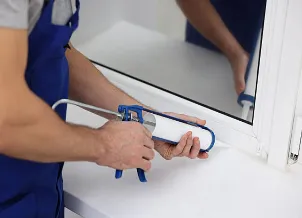
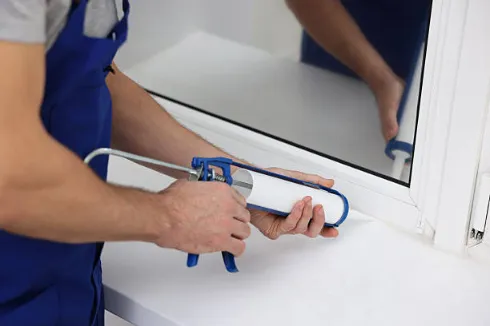
Bathroom mirrors often start showing black edges just a few years after installation. Those dark spots creep in, turning a clear reflection into a messy eyesore. Eventually, the whole mirror needs replacement.
The real culprit? It’s usually the wrong silicone sealant, not the mirror’s quality. This article dives into why bathroom mirrors get that black edge corrosion, what makes the best silicone sealant for bathroom mirrors, and simple ways to install and maintain them to avoid the problem altogether.
What Is Black Edge Corrosion on Bathroom Mirrors?
Black edge corrosion shows up as dark lines or spots along the mirror’s borders. It ruins the look and can spread if ignored.
Often called bathroom mirror black spots or black edge, this issue stems from the mirror’s reflective layer breaking down over time.
How a Bathroom Mirror Is Built – and Why the Edges Are Vulnerable
A typical bathroom mirror consists of glass with a reflective layer, usually silver or aluminum, coated on the back.
A protective layer sits on top to shield it. Edges are the weak spot. They face constant attacks from moisture, chemicals, and poor sealing. Water vapor sneaks in, and without proper protection, corrosion sets in fast.
Common Causes of Black Edge Corrosion in Bathrooms
High humidity from showers and hot baths plays a big role. Steam builds up daily. Acidic or strong alkaline cleaners seep through edges, eating away at the back. Using acid cure silicone or general construction adhesives releases acids that corrode the metal layer.
Sealing too tightly traps moisture behind the mirror. Even poor edge finishing on the mirror itself can contribute, though that’s less common. Together, these lead to mirror desilvering, where the silver flakes off, creating those black spots.
Think about it: a steamy bathroom after a long shower. That environment tests every seal.
Why Neutral Cure Silicone Is the Best Silicone Sealant for Bathroom Mirrors
Neutral cure silicone stands out as the best silicone sealant for bathroom mirrors because it avoids damaging the reflective layer.
Unlike harsher options, it stays mirror safe and non corrosive. This makes it ideal for preventing black edge mirror corrosion.
Neutral Cure vs Acid Cure Silicone – What’s the Difference for Mirrors?
Acid cure silicone, often called acetoxy silicone, smells like vinegar and releases acetic acid as it cures. That acid attacks metals and the mirror’s silver backing, speeding up black edges.
Neutral cure silicone, on the other hand, has low odor and releases neutral byproducts. It’s non corrosive to silver, aluminum frames, or other metals.
Here’s a quick comparison table:
| Property | Acid Cure (Acetoxy) | Neutral Cure |
|---|---|---|
| Odor | Vinegar like | Low or none |
| Corrosion | High risk to metals | Non corrosive |
| Mirror Safe | No | Yes |
| Best Use | General sealing | Mirrors, bathrooms |
The choice is clear for mirrors.
Key Properties of the Best Silicone Sealant for Bathroom Mirrors
Look for mould resistant bathroom sealant that’s also waterproof silicone for bathroom mirrors. It should handle high humidity without breaking down. High flexibility and low modulus help it withstand temperature shifts and minor movements.
Low odor neutral cure silicone is a must for indoor spaces like bathrooms. Compatibility with glass, painted walls, tiles, and metal frames ensures a strong bond.
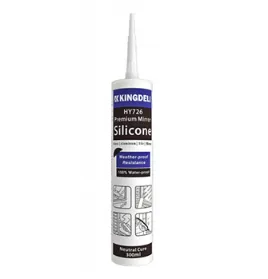
A neutral cure, mirror safe silicone such as Kingdeli ticks these boxes, so you don’t have to worry about hidden chemical reactions quietly eating away at your mirror.
Where to Use Mirror Safe Silicone in a Bathroom
Silicone sealant for bathroom mirrors goes beyond just edges. It protects in various spots, especially in wet areas like showers.
Above the Sink Vanity Mirrors
These mirrors deal with splashes from water, toothpaste, and cleaners every day. A mirror safe neutral cure sealant keeps edges protected from constant exposure.
Full Height Mirrors and Mirrored Walls
Larger surfaces mean more weight and bigger risks if corrosion hits. Falling sections could be dangerous. Proper sealing prevents that.
Mirrors Close to Showers and Baths
Steam and temperature changes are extreme here. Shower mirror sealant needs top waterproof and mould resistant qualities to hold up.
Focusing on these areas ties back to using the right silicone for wet areas, keeping everything spot free longer.
Step by Step: How to Stop Black Edge Corrosion on New Bathroom Mirrors
Stopping bathroom mirror blackening starts with the right approach. Learn how to seal a bathroom mirror properly to keep issues at bay.
For New Mirrors – Install with Neutral Cure Silicone from Day One
- Prepare the surfaces. Clean the mirror back and wall, removing dust, grease, or old adhesive. Make sure everything’s dry.
- Plan the bead pattern. Apply in vertical stripes or dots. Leave space for air flow; don’t cover the whole back.
- Apply a thin, even layer of neutral cure mirror safe silicone. Stick to this type—avoid general bathroom or construction glues.
- Position and support the mirror. Press lightly, level it, and use temporary supports until it sets.
- Respect curing time. Wait 24-48 hours before heavy cleaning or movement.
Simple steps like these make a huge difference.
For Existing Mirrors – Slow Down Further Damage
Black edges can’t fully reverse, but you can halt the spread. Check if old sealant is acidic—look for yellowing or strong smells.
Carefully remove deteriorated glue. Clean and dry the edges thoroughly. Re seal with mirror safe neutral cure silicone, ensuring not to trap moisture.
Kingdeli HY-726 neutral silicone sealant serves as a practical option homeowners and contractors can use when re sealing bathroom mirrors.
Common Mistakes That Make Bathroom Mirrors Rot from the Edges
Avoid these pitfalls to prevent mirror rot from edges. Using the wrong silicone sealant tops the list. Acid cure silicone on mirrors corrodes fast.
Running a bead too close to the edge causes overflow and traps vapor. Sealing airtight in a humid bathroom blocks ventilation. Spraying harsh cleaners at edges lets chemicals seep in. Skipping prep leaves surfaces dirty, weakening bonds and allowing water in.
Little errors add up over time.
How to Choose the Best Silicone Sealant for Bathroom Mirrors (Quick Checklist)
Picking the best silicone sealant for bathroom mirrors boils down to key features. Use this mirror safe neutral cure silicone checklist.
- Mirror safe / neutral cure clearly on the pack
- Non corrosive to mirror backing and metals
- Waterproof & mould resistant for wet bathrooms
- Good adhesion to glass, tiles, painted walls, and metal frames
- Low odor, indoor safe, ideally low VOC
- Backed by test data / certifications
If you don’t want to check every box from scratch, choosing a neutral cure mirror silicone like Kingdeli that already meets these criteria is an easy shortcut to a safer, longer lasting bathroom mirror.
Conclusion – A Simple Formula to Keep Bathroom Mirrors Spot Free
Black edge corrosion comes from humid environments, wrong sealing materials, and improper cleaners. Prevent black edge corrosion with the right mirror structure, neutral cure mirror safe silicone, good installation habits, and mild cleaning.
Follow this, and mirrors stay spot free for years. The best silicone sealant for bathroom mirrors makes it straightforward—no more surprises down the line.
FAQ
Q: Will silicone sealant damage the backing of my bathroom mirror?
Only if the sealant is acid cure. Acidic silicone can react with the mirror’s silver coating and cause desilvering or black spots. Neutral cure silicone will not damage the mirror.
Q: How long does neutral cure mirror silicone last in a bathroom?
High quality neutral cure mirror silicone typically lasts 10–20 years in bathroom conditions, depending on humidity, cleaning habits, and installation quality.
Q: Is clear silicone always safe for mirrors?
No. “Clear” only refers to color—not chemistry. Many clear silicones are acid cure and unsafe for mirrors. Only use silicones labeled neutral cure / mirror safe / non corrosive.
Q: Is neutral cure silicone low odor and safe for indoor bathrooms?
Yes. Neutral cure silicones release non acidic, low odor byproducts, making them safer for enclosed indoor spaces like bathrooms.