
Best Silicone Sealant for Furnace and Kiln Repairs
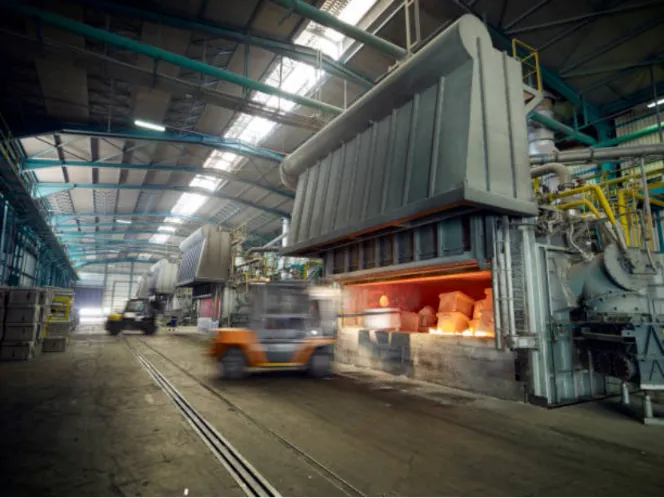

Why Furnace and Kiln Repairs Need the Right Sealant
Furnaces and kilns face tough sealing challenges in industrial settings. High temperature cycles cause materials to expand and contract. Vibrations shake things loose. Dust builds up over time. These factors wear down seals fast.
Regular sealants often fail under heat. They crack, peel off, or turn brittle and carbonize. That’s where high temp silicone sealant steps in. It handles extreme conditions without breaking down.
What Makes a Sealant “Heat Resistant”?
Core Properties of Heat Resistance
Heat resistant silicone sealant stands out due to key features. It tolerates high temperatures without losing form. Oxidation stability keeps it from degrading in air. Flexibility remains even after repeated heating.
Everyday Examples of Performance
Think about standard construction adhesives. They start breaking down around 200°C. Not good for hot environments. In contrast, heat resistant silicone sealant holds up at -60°C or even 315°C. It stays elastic where others fail.
The Science Behind the Structure
The magic lies in the material’s makeup. Silicone features strong silicon oxygen bonds, Si-O-Si chains. High cross linking adds durability. This setup resists thermal breakdown. Sometimes folks overlook how these bonds prevent cracking, but they really do make a difference in long term use.
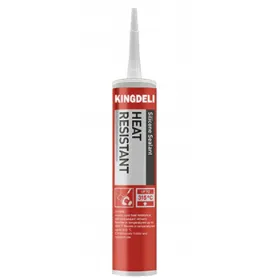
Kingdeli’s heat resistant silicone sealants are formulated to withstand continuous exposure above 300°C, providing reliable sealing for industrial kilns and furnaces.
Comparing Sealant Types for Furnace and Kiln Repairs
Overview of Common Sealant Options
Different sealants suit various jobs, but not all handle heat well. Let’s break it down in a simple table for clarity:
| Type | Temperature Range | Key Characteristics | Best Applications |
| Standard Silicone | Under 200°C | Good elasticity, but ages quickly | Household sealing |
| Polyurethane | Under 120°C | Strong bonding, poor heat tolerance | Building decorations |
| High Temp Silicone Sealant | -60°C–315°C | Heat resistant, chemical proof, flexible | Furnace bodies, kiln doors, exhaust pipes |
Why Silicone Wins for High Heat Repairs
Silicone matches thermal expansion of metals and ceramics. It sticks well to those surfaces too. That’s crucial in furnaces where parts heat unevenly. Polyurethane might bond strong at first, but it softens and fails when temps rise. Ever seen a seal melt away during a kiln firing? It’s messy and costly to fix.
High temp silicone sealant avoids that. It flexes with the movement. Chemical resistance helps against corrosive gases common in these setups.
Compared with conventional sealants, Kingdeli’s high temp silicone products maintain elasticity even under repeated thermal cycling.
How to Choose the Best Silicone Sealant for Kiln Repairs
Key Factors in Selection
Picking the right heat resistant silicone sealant or high temp silicone sealant boils down to a few essentials. Start with the max operating temperature. Does it match your kiln’s peak heat?
Next, check material compatibility. It needs to bond with metals, ceramics, or bricks without issues. Solid cure time matters for workflow. Fast setting options save time, but some need hours.
Don’t forget vibration resistance and bond strength. These prevent leaks in shaky environments.
Real World Scenarios to Guide Choices
Consider specific spots in a kiln.
- Kiln door joints: Go for a flexible high temp silicone sealant. It absorbs door slams and heat shifts.
- Exhaust flanges: Opt for structural versions. They provide rigid seals against gas pressure.
In pottery kilns, for instance, seals around the lid prevent heat loss. A mismatched sealant could warp the firing process, ruining batches. Always test a small area first if possible.
Application Tips: Ensuring Durability and Safety
Prep Work for Best Results
Surface prep is non negotiable. Clean off oil, dust, and old residue. A wire brush or solvent wipe does the trick. Dirty spots lead to weak bonds.
Handling Cure and Application
Manage cure times based on temp. Don’t rush heating after applying high temp silicone sealant. Let it set fully to avoid cracks.
Apply in layers if needed. Thin coats prevent bubbles. Squeeze the tube steadily for even beads.
One common slip up: applying too thick. It traps air inside, weakening the seal over time.
Maintenance for Longevity
Check seals regularly for signs of wear. Look for cracks or discoloration. Reseal every few years, depending on usage. Heavy industrial kilns might need it sooner.
Safety tip: Wear gloves and ventilate the area. Fumes from fresh sealant can irritate. And yeah, keep tools handy for quick fixes during downtime.
Conclusion: The Role of Quality Sealants in Heat Systems
Quality sealants play a big part in keeping furnaces and kilns running smooth. They prevent energy waste and downtime. Heat resistant silicone sealant and high temp silicone sealant ensure safety by containing hot gases and flames.
In the end, the best silicone sealant isn’t just about withstanding heat. It boosts overall efficiency and cuts repair costs. Think of it as the unsung hero in high heat operations.
Looking for a reliable solution for furnace and kiln maintenance? Contact Kingdeli to explore our range of industrial grade heat resistant silicone sealants.
FAQ
Q: What makes regular sealants fail in furnaces and kilns?
A: Regular sealants crack, peel, or carbonize under high heat cycles, vibrations, and dust buildup—often breaking down as low as 200°C.
Q: How high can heat resistant silicone sealant actually go?
ATop-grade high temp silicone sealant handles continuous exposure above 300°C while staying flexible and intact.
Q: Why choose silicone over polyurethane for kiln repairs?
A: Silicone matches thermal expansion of metals and ceramics, resists chemicals, and keeps elasticity through repeated heating—polyurethane softens and fails above 120°C.
Q: What should be checked when picking a sealant for a kiln door?
A: Look for max temperature rating, compatibility with ceramics or metal, vibration resistance, and a flexible cure that absorbs door movement.
Q: Any quick tip to avoid bubbles during application?
A: Clean surfaces thoroughly, apply in thin, even layers, and let the high temp silicone sealant cure fully before firing up the furnace.