
Best Waterproof Caulk: A Guide to Leak-Proof Sealants
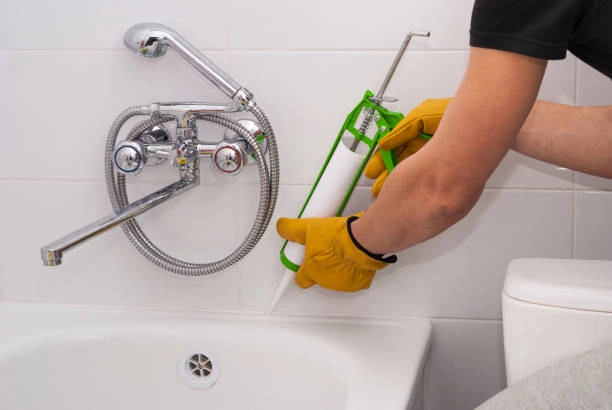
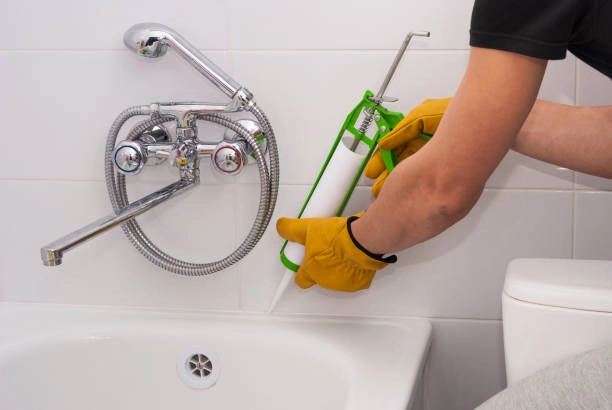
A leak-free seal is more than just a nice look. It acts as the hidden shield that stops water from sneaking into joints, tiles, and building edges. The proper waterproof caulk brings lasting strength and guards against mold, cracks, and harm to the structure. Whether you seal a shower joint or an outside window frame, knowing what makes a caulk really waterproof matters for good results over time.
Understanding Waterproof Caulk
Waterproof caulk stands apart from everyday sealants in its makeup and how it works. It gets designed to fight steady water contact without dropping grip or bendability.
What Makes a Caulk Truly Waterproof?
The core of any waterproof sealant comes from polymers. These bendy chains build the main part of the stuff that blocks water from getting in. Silicone and MS polymer-based mixes work best. They form a tight bond that holds up even with big changes in heat. And that bond stays strong.
You also need to tell the difference between waterproof and water-resistant. The second one might push back water for a short time. But it can’t handle being fully under water or always damp spots. Real waterproof caulks like HY-732 Acetic Silicone Sealant for large glass wall serve as a solvent-free silicone sealant. It holds no chemicals that hurt living things in its mix. People use it in aquarium making and for sticking in glass builds. This kind of strength means no breakdown over the years, even when under water.
Key Characteristics of Waterproof Caulk
A top-notch waterproof caulk ought to show these main qualities:
- 100% Waterproof Certification: Only mixes tested under rules like ASTM C920 can promise lasting no-leak power.
- Permanent Flexibility: Shifts from heat or building moves call for stretchiness.
- Mold-Free Protection: In wet places, special additives stop mold from growing.
These points set pro-level goods apart from cheap ones that might quit after a few months.
Types of Waterproof Caulk
Various kinds of waterproof sealants fit certain materials and settings. Each brings its own pluses based on how much water hits and what it sticks to.
Silicone Sealants
Silicone stays the top pick for waterproofing. It owes that to its steady chemicals and stretch. So, it suits bathrooms, kitchens, windows, roof joins, and curtain walls well. Still, silicone does not take paint easily. It might not stick great to rough stuff like natural stone unless made just for that.
Hybrid Sealants
Hybrid or MS Polymer sealants mix polyurethane strength with silicone bend. They let you paint them. They stick well to many surfaces without a starter coat. HY-995 Crystal Clear MS Polymer Adhesive is a new generation MS polymer sealant made for all bonding and sealing jobs where long-term trust counts. It cures to make a tough, bendy, waterproof seal. These mixes shine in inside finishes and outside stretch joins where sun stability plays a role.
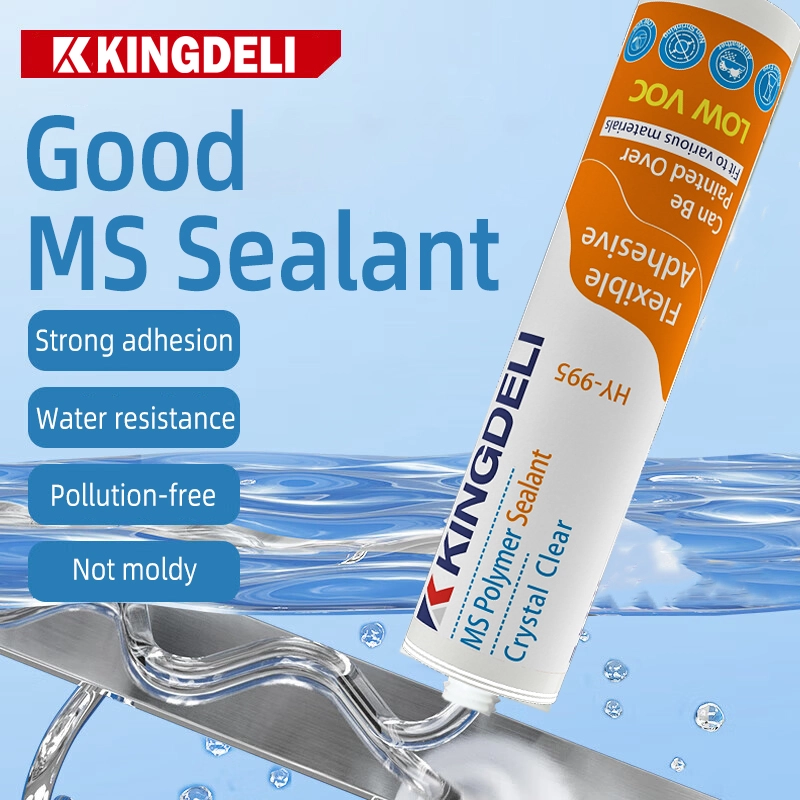
Next to pure silicone or acrylics, hybrid sealants keep better hold on metals, plastics, wood, and concrete. Plus, they stay kind to the earth thanks to low VOC levels.
Advanced Acrylic Sealants
Acrylics often get called “siliconized.” But they lack full waterproofing under nonstop water. They do let you paint and clean up with water easily. It holds up with waterproofing and fights mildew. So, they work best in spots with little water, not soaked ones like tubs or pools.
Choosing the Right Waterproof Sealant
Picking the best item hinges on what it sticks to and the weather around it.
Considerations for Specific Applications
For natural stone like marble or granite, pick neutral-cure silicone to skip rust. HY-763 Silicone Sealant for Marble and Concrete is a high modulus one-component. It stays free of harm and dirt for most marble, granite, concrete.
For outside sealing, where sun, rain, and heat changes never stop, a weatherproof mix like HY-2300 Outdoor Neutral Silicone Sealant gives top strength. Inside, sanitary-grade silicones with mold fighters work better near sinks or showers.
Evaluating Product Recommendations
| Product | Type | Key Features | Ideal Use |
| HY-722 Sanitary Silicone | Neutral Cure Silicone | Anti-fungus formula; withstands -50℃–150℃ | Bathrooms & Kitchens |
| HY-955 Crystal Clear MS Polymer | Hybrid MS Polymer | Crystal clear; strong adhesion; paintable | Multi-material bonding |
| HY-763 Marble & Concrete | Neutral Cure Silicone | Non-corrosive; mildew-proof | Natural stone joints |
These items from Kingdeli show how varied mixes fill different job needs. They range from see-through finishes to hard outside sealing.
Applying Waterproof Caulk Effectively
The finest product can still flop if you put it on wrong. How you prep the surface decides the seal’s stick.
Preparation Steps Before Application
Always scrape off old caulk fully with a tool or cleaner. Leftovers can weaken the new stick. Clean surfaces deep with alcohol cleaners to clear dust or grease. Make sure all stays bone-dry before you add the new stuff. This counts extra for silicone-based waterproof sealants. They need dry spots for curing since moisture messes things up.
Application Techniques for Best Results
Cut the tip at a 45° slant for even flow. Push steady as you go along the joint without pausing. Smooth the line right away with a wet finger or tool. Give it time to set: most silicones need 24 hours before water hits full. Hybrids might take up to 48 hours, based on dampness in the air.
Common Questions About Waterproof Caulk
Wrong ideas about how to use it often cause early breakdowns, even with great items.
Can waterproof caulk be applied on wet surfaces?
No, usually. Water gets in the way of sticking unless the maker says so. Some polyurethane types handle damp spots, like HY-923 Low Modulus Polyurethane Sealant. It seals drains, tanks, sewage pipes, and other gaps under full water, frost, or wet faces.
Is waterproof caulk paintable?
Most silicones won’t take paint. But hybrid MS polymer kinds work fine with regular paints after they set. That makes them handy for pretty jobs while keeping bend over years.
Clarifying Technical Aspects
Neutral-cure silicones give off alcohol as they cure, not the sour acid in acetoxy types. So, they stay safe on metals and natural stones with no eating away. Acetoxy-cure ones like HY-668 General Purpose Acetic Silicone Sealant grab hold faster. But save them for glass or tile joins only.
Kingdeli’s wide range of products shows how fresh ideas pair with sure results in today’s sealing tech. From the start in 1998 to today, Kingdeli has grown into a modern large scale sealant and adhesive manufacturer in Foshan, China. Tight quality checks create dependable products. Their focus on quality in silicone, polyurethane, acrylic, and hybrid setups means pros can grab custom fixes. These go from sanitary jobs to big structural glass work. All get support from world standards like ISO and ASTM. Going with Kingdeli picks sure work where water has no shot.