
Desert Climate Sealing Guide: How to Ensure Lasting Performance in 50°C+ Heat
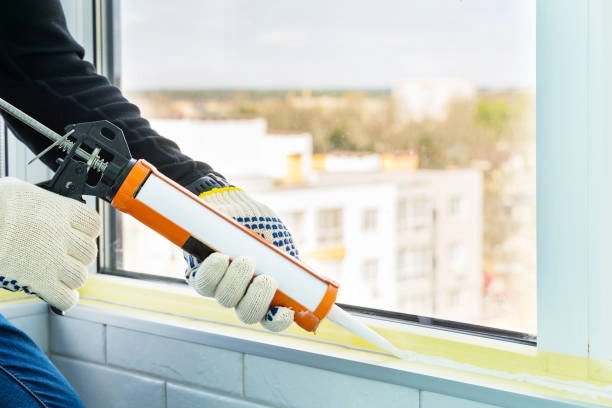
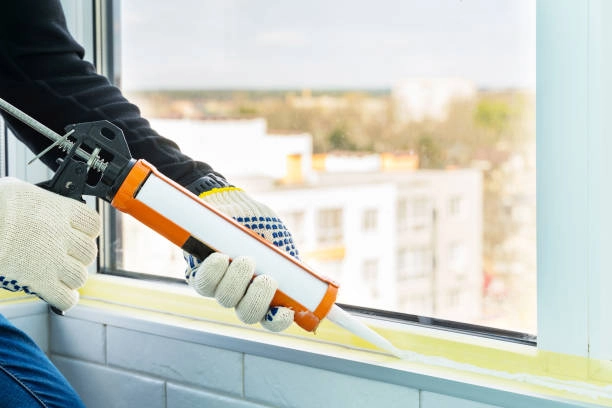
Extreme desert heat can destroy ordinary sealants in months. Temperatures above 50°C, constant UV exposure, and sand abrasion all accelerate material breakdown. The key to lasting performance is choosing high temperature silicone or other high temperature sealant products designed for these extremes, combined with precise surface preparation and timing during application.
Understanding Desert Climate Challenges
Extreme Temperature Exposure
When ambient temperatures exceed 50°C, many standard sealants lose elasticity or begin to flow. In desert environments, this can cause joint failure within a single season. Thermal expansion and contraction cycles—sometimes 30°C swings between day and night—create repeated stress on bonded joints. Silicone sealant is a paste that cures into a tough, rubber like organic elastomer upon contact with moisture in the air. This property allows silicone based sealants to maintain flexibility across wide temperature ranges, making them ideal for such conditions.
Intense UV Radiation
Constant ultraviolet radiation is another silent destroyer. Prolonged exposure leads to discoloration, chalking, and eventual brittleness in non-resistant materials. UV resistant formulations are crucial; Kingdeli’s HY-3300 Weatherproof Neutral Silicone Sealant is a high modulus one component, shelf stable, neutral room temperature curing architectural grade sealant that exhibiting outstanding physical properties for project and general building construction. Its ability to keep good performance between -50°C and +200°C after curing demonstrates the importance of UV stability in desert climates.
Sand and Dust Contamination
Fine sand particles infiltrate sealing joints easily. During application, airborne dust can compromise adhesion if surfaces aren’t properly cleaned or protected. Techniques like masking exposed areas and applying sealant in low wind periods reduce contamination risk.
Low Humidity Challenges
Low humidity slows the curing process of moisture cure products such as silicones and polyurethanes. The curing mechanism of single component products is related to the environmental climate; higher temperature and humidity result in faster curing. In deserts, where humidity may drop below 10%, extended curing times must be expected. Covering fresh joints with temporary shielding helps maintain integrity during early stages.
Critical Performance Requirements for Desert Sealants
Temperature Resistance: Beyond the Numbers
A true high heat silicone sealant should retain flexibility at both sub-zero nights and scorching days. Kingdeli’s HY-2300 Outdoor Neutral Silicone Sealant keeps good performance between the temperature of -50℃~+150℃ after curing. For more extreme cases—like metal roofs or solar installations—products rated up to 200°C or more are recommended.
UV Stability: The Long Term Survival Factor
Testing for UV resistance simulates years of sunlight exposure within weeks. A reliable high temperature silicone not only resists fading but maintains adhesion strength over time. HY-3300 exhibits excellent water resistant, UV resistance and weather resistant properties.
Movement Capability: Accommodating Extreme Cycling
Thermal cycling causes expansion and contraction that can exceed ±25% joint movement. Curtain wall adhesives typically have displacement capabilities of grades 20, 25, 35, 50, and +100/-50. Selecting higher movement capability products ensures longer durability under daily expansion cycles.
Adhesion Performance in Extreme Heat
Adhesion loss often occurs when substrates expand faster than the cured sealant can stretch. Using primers compatible with high heat silicone improves bonding on porous or dusty surfaces.
Product Selection for Desert Applications
Silicone: The Desert Standard
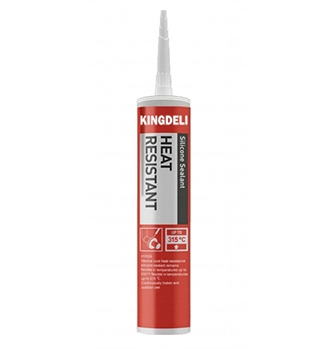
Silicone remains the benchmark for desert sealing because of its thermal stability and weather resistance. HY-939A Neutral Heat Resistant Silicone Sealant works at the range of -60℃–315℃ with excellent oil resistance, temperature resistance and corrosion resistance. RTV (room temperature vulcanizing) types are particularly suitable for metal to glass or stone applications where long term elasticity is critical.
MS Polymer: The High Performance Alternative
MS polymer sealants combine silicone like flexibility with paintability and primerless adhesion. HY-994 All Purpose MS Polymer Sealant is excellent in UV, weather and temperature resistance. They perform well on varied substrates like aluminum panels or composite walls common in modern desert architecture.
Polyurethane Foam: Special Considerations
Polyurethane foam provides strong insulation but suffers under prolonged heat exposure beyond 90°C. It’s best reserved for shaded or internal applications rather than direct sun exposed joints.
Application Best Practices for Desert Conditions
Surface Preparation: Extra Steps for Desert Success
Clean surfaces thoroughly using compressed air or solvents before applying any high temperature sealant. Even microscopic sand grains can create weak points that lead to peeling later.
Timing Your Work: When to Apply in Desert Heat
Apply during cooler morning hours when substrate temperatures remain below 40°C. Avoid midday application when materials expand most rapidly; otherwise bubbles may form as trapped air expands.
Joint Design for Extreme Movement
Design joints wide enough—typically 20–25% larger than standard—to accommodate thermal expansion without overstressing the cured bead.
Curing Protection: Critical 48 Hours
Protect freshly applied joints from blowing sand and direct sun during initial cure time using temporary covers or shade cloths.
Troubleshooting Common Desert Climate Failures
| Failure Type | Likely Cause | Recommended Action |
| Premature Cracking | Overheating or poor flexibility | Use low modulus high heat silicone |
| Discoloration | UV degradation | Choose UV-stable formulations |
| Adhesion Loss | Dust contamination | Improve surface cleaning & priming |
| Sagging | Excessive substrate temp | Apply during cooler hours |
Maintenance and Inspection in Desert Climates
Annual Inspection Protocol
Check sealed joints annually for cracks, chalking, or edge pullback. Early detection prevents costly structural damage later on.
Cleaning and Preservation
Use mild detergent solutions; avoid abrasive cleaning tools that could erode cured surfaces. Reapply protective coatings if visible dullness appears from sun bleaching.
When to Replace vs. Repair
If cracks exceed 3 mm deep or adhesion loss covers more than 20% of joint length, replacement is safer than patch repair due to cumulative fatigue effects.
Desert Climate Sealing FAQ
What makes a sealant “desert-grade” or suitable for extreme heat?
It must withstand continuous exposure above 150°C without losing elasticity or adhesion—properties typical of high temperature silicone sealants like Kingdeli’s HY‑939A series designed for industrial gaskets and outdoor sealing.
Can standard silicone survive in desert climates, or do I need special products?
Ordinary indoor silicones may fail quickly; use formulations tested between -50°C to +200°C instead.
What’s the best time of year to do major sealing work in desert climates?
Late autumn through early spring offers moderate conditions that help proper curing before peak summer temperatures return.
How do I prevent dust contamination during application in sandy desert environments?
Work early morning when wind is minimal; clean surfaces twice—once before masking, once immediately before applying bead.
Should primers be used in desert applications, and how does heat affect primer performance?
Yes, especially on porous concrete or oxidized metal; apply primers under shade since excessive heat may cause premature solvent evaporation reducing bond strength.