
Epoxy vs Cement Grout: Why Epoxy Is Better for Wet Areas


Grout lines in wet areas can make or break a space. In bathrooms and kitchens, those seams often turn black, grow mold, leak water, or crumble to powder. It’s frustrating. Homeowners notice it first thing.
This article breaks down epoxy vs cement grout and why does epoxy tile grout perform better in damp areas such as shower rooms, bathrooms, kitchens, and swimming pools.
Installers and manufacturers like Kingdeli see the same pattern over and over again: beautiful tiles ruined by failing cement grout in showers and bathrooms. Sometimes, a quick fix turns into a full redo.
How Epoxy and Cement Grout Really Differ
What is epoxy grout? What is cement grout? These basics matter when picking materials for tiles.
Composition and Porosity
Cement grout mixes cement, sand, and water. It ends up porous, soaking up water like a sponge. That means it needs sealing to stay protected.
Epoxy grout combines resin, hardener, and fillers. It forms a non porous barrier, like a hardened resin shell. Water bounces off. No extra sealing required.
Picture this: cement grout absorbs spills and humidity, inviting trouble. Epoxy seals everything out from the start.
Strength, Flexibility and Chemical Resistance
Epoxy packs higher compressive strength and resists chemicals well. It handles cleaners without breaking down. Cracks or shrinkage? Rare.
Cement grout has decent strength for everyday use. But in cycles of wet and dry, or heat expansion, it powders or develops fine cracks. Not ideal for steamy spots.
Epoxy flexes a bit more too, which helps in areas with movement.
Common Cement Grout Problems in Wet Areas
Cement grout problems in wet areas pop up fast. Cement grout in showers especially struggles. It absorbs water, breeding mold and black spots. Nasty buildup.
Soap scum, oils, coffee stains, or wine spills sink in deep. Scrubbing never fully removes them. Over time, soaking or harsh cleaners cause it to powder and loosen. Hollow sounds underfoot signal issues.
Sealers wear off, demanding regular reapplication. Skip it, and problems multiply. In kitchens, splatters from cooking add to the mess. Bathrooms get hit with shampoo residues. It’s a cycle.
Key Benefits of Epoxy Tile Grout in Wet Areas
Epoxy grout advantages shine in tough spots. Epoxy grout for showers, epoxy grout for bathrooms and kitchens – these setups benefit most.
True Waterproof and Non Porous Joints
Epoxy’s non porous nature blocks water completely. In showers, pools, or kitchen splashbacks, it cuts seepage and mold risks way down. No more damp walls behind tiles. Peace of mind.
Stain and Chemical Resistance for Easy Cleaning
It stands up to soap scum, shampoo, cooking oils, sauces, and cleaners. A neutral cleaner and sponge keep it spotless. Wipe away messes without elbow grease. Saves time daily.
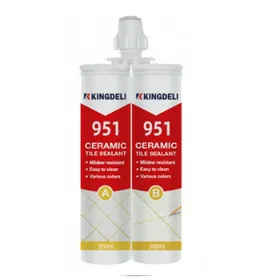
Long Term Colour Stability
Colors stay true. Water, cleaners, or mold won’t fade or discolor it. Unlike cement, it looks fresh installed for years. That uniform appearance keeps the whole room sharp.
No Need for Regular Sealing
One big plus: skip the ongoing sealing. Many guides stress this. Install once, and it’s set. Less hassle over time.
On hotel and spa projects, suppliers like Kingdeli often specify epoxy grout in showers and steam rooms precisely because it reduces complaints about mouldy or stained joints. Commercial spaces can’t afford downtime for fixes.
But What About the Downsides of Epoxy Grout?
Epoxy grout disadvantages exist. Weigh epoxy vs cement grout pros and cons fairly.
Higher Material and Labour Cost
Epoxy costs more per unit. Workers charge extra for handling it. Upfront hit to the wallet.
More Demanding to Install
Two or three components need exact mixing. Pot life is short – work fast. Clean up promptly, or residues stick. Not for beginners.
A Slightly “Plastic” Look (and How to Handle It)
Some folks say epoxy looks plasticky, especially under bright lights or with light tiles. Choose fillers with texture, matching colors, or matte formulas. It softens the effect. Designers tweak it to blend seamlessly.
Is Epoxy Grout Really Worth the Upgrade in Wet Areas?
Is epoxy resin grout worth it? Look at epoxy grout cost vs benefits, especially for epoxy grout for shower upgrade.
Cost Comparison on a Typical Bathroom
Take a 20 square meter bathroom. Total reno around 1,500 dollars. Switching to epoxy adds about 5 percent. Grout is a small slice of the budget. Yet it supports waterproofing, cleanliness, and looks – the big wins.
Penny wise on grout can mean pound foolish later.
Maintenance and Hygiene Savings Over Time
Over 5 to 10 years, fewer regrouts or reseals. Less mold scrubbing, fewer complaints from users. In commercial spots like hotels, pools, or gyms, less shutdown time for repairs. Hygiene stays top notch without constant effort.
When Cement Grout Is Still “Good Enough”
Cement works fine in dry zones, low humidity walls, or living room floors. Add good sealing for budget projects.
Mix it up: epoxy in wet areas, cement elsewhere. Balances needs.
Technical teams at manufacturers like Kingdeli often recommend a hybrid approach: epoxy grout in all wet areas and heavy use zones, and high quality cement grout elsewhere to balance performance and budget. It’s practical for varied spaces.
Practical Tips for Upgrading from Cement to Epoxy in Wet Areas
How to switch from cement grout to epoxy? Follow epoxy grout installation tips.
In renos, remove old grout to at least half the tile depth.
Mix small batches. Stir per maker’s instructions.
Use a special float. Clean in two steps to avoid tile haze.
For tricky jobs, hire experienced tilers.
Test a small area first if unsure. Avoids surprises.
Stronger Joints Where Water Works the Hardest
In wet areas, traditional cement grout often becomes the weak link in tile systems.
Epoxy grout steps up with waterproofing, stain resistance, easy cleaning, and no sealing needs. Over time, it pays off in costs and health.
For most homes and businesses, choosing epoxy tile grout in showers, bathrooms, kitchens, and pools is a small spend for big returns. When comparing epoxy vs cement grout, the upgrade in wet areas just makes sense.
FAQ
Q: Is epoxy grout better than cement grout in wet areas?
Yes. Epoxy grout is waterproof, non porous and highly resistant to stains and mould.
Q: Why does cement grout fail in showers and bathrooms?
Cement grout is porous and absorbs moisture, leading to mould, discolouration and cracking.
Q: Does epoxy grout need to be sealed?
No. Epoxy grout does not require sealing because it is naturally non porous and water resistant.
Q: Is epoxy grout more difficult to install?
Epoxy grout cures faster and requires more precision when mixing and cleaning, but with proper tools and technique, installers can achieve a long lasting professional finish.
Q: Is the higher cost of epoxy grout worth it?
Yes for wet areas. Although epoxy grout costs more upfront, it reduces maintenance, prevents mould, and lasts significantly longer, making it more cost effective over time.