
How Long Does Waterproof Caulk Last and When to Reapply?
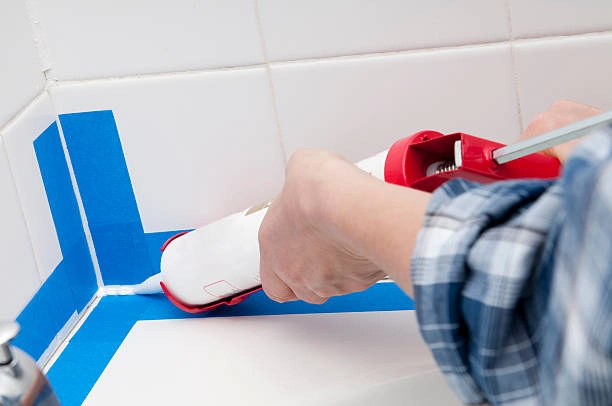
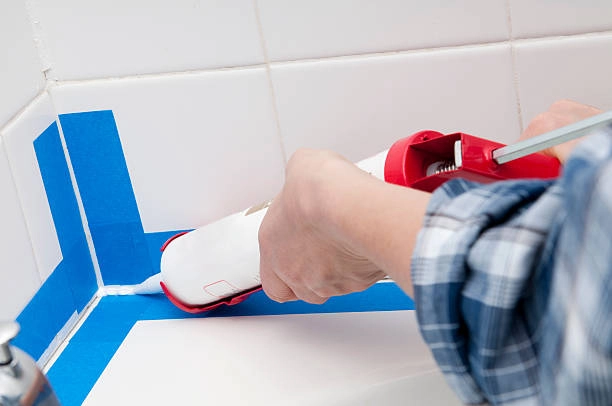
Waterproof caulk helps keep buildings and insides safe from water harm. Yet, its work does not last forever. So, how long does waterproof caulk really hold up? In general, silicone based waterproof caulk can endure from 10 to 20 years in good settings. However, things like weather pressures, wrong putting on, or no upkeep can cut its time short. Learning when and how to put it on again matters a lot for a solid seal.
Lifespan of Waterproof Caulk
Average Durability of Common Waterproof Sealants
Many waterproof sealants use silicone. This makes them bendy and strong. Usually, silicone caulk holds up between 10 to 20 years. It depends on the area around it and how well it was put on. Acrylic latex and polyurethane sealants last less time. Acrylics go about 5 to 10 years. Polyurethanes manage 7 to 15 years.
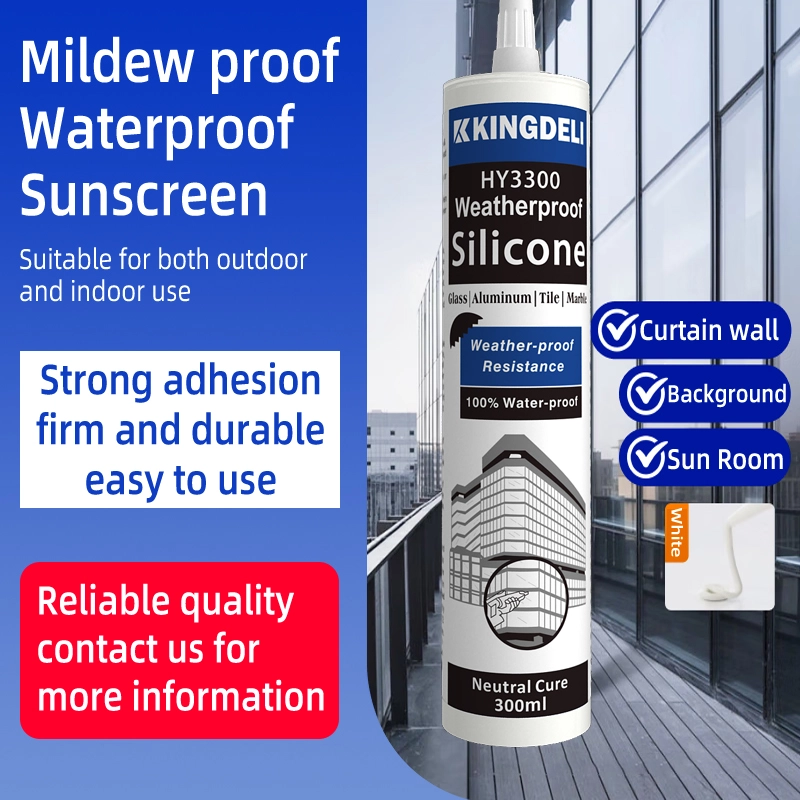
How long it lasts also depends on the exact mix and brand strength. For instance, products like Kingdeli’s HY-3300 Weatherproof Neutral Silicone Sealant use tough formulas. They get tested under strict rules such as ASTM C920-18. This means they work well for a long time.
Factors That Influence How Long Waterproof Caulk Lasts
A few things can change how long waterproof caulk stays good:
- Changes in heat make stuff grow and shrink. After a while, this can cause breaks or coming loose in the sealant.
- Sunlight breaks down sealant parts bit by bit.
- Places with lots of dampness speed up mold and dirt growth. This weakens the seal.
Rooms like bathrooms, kitchens, and spots outside face more risk. They deal with steady wet and heat changes.
Environmental and Structural Conditions Affecting Sealant Performance
Impact of Indoor vs Outdoor Application
Putting caulk inside, say near sinks or tubs, gets a steadier spot. But even there, it can wear out. Wet spots still let germs grow and break down chemicals over time.
Caulk outside takes a bigger hit. It covers windows, roofs, or walls. Out there, it fights rain, sun, and breeze. Picking a tough against weather item like Kingdeli’s HY-2300 Outdoor Neutral Silicone Sealant helps. It fights UV well and bends from -50°C to +150°C once set.
Role of Surface Material in Sealant Adhesion
A good stick begins with the face itself. Rough faces like wood or cement might soak up sealant in spots. Smooth faces like glass or metal need right prep for a firm hold. If you skip cleaning, you get bubbles, loose sides, or total loss of the water block.
Importance of Proper Application Techniques
Surface Preparation Before Applying Caulk
Wipe the face clean with alcohol, bleach, or home cleaner. This step counts a ton to make sure the new sealant sticks right. Let the spot dry all the way. Taking off old caulk and bits left behind is just as key. Putting new stuff over bad old stuff leads to weak links and cuts time short.
Application Method and Tooling Practices
Steady work when putting it on makes a difference. Put a smooth, even line of sealant by the join. Keep pressure even. Pull the tip slow along the path. After it is on, grab a smoothing tool or your finger in soapy water to even it out. This works great around key spots like window edges or wall backs.
Maintenance Practices That Extend Sealant Life
Routine Inspection for Early Signs of Wear
Check for usual warnings like:
- Breaks or peeling
- Color change or turning yellow
- Spaces along the sides
Steady looks help stop water leaks before big harm hits. Seeing wear early lets you fix just the bad parts. No need for full redo.
Cleaning Techniques That Preserve Seal Integrity
Regular wipe downs help make sealant last longer. Pick gentle ways. Soft rags and light cleaners work best. Skip strong water blasts near sealed lines unless it is made for that. Hard rubbing or strong stuff can harm the sealant too soon.
Indicators That Reapplication is Necessary
Visual and Physical Signs of Failure
If you spot:
- Spaces between the face and sealant
- Hard and crumbly feel or odd squish
- Sides pulling up or coming off
These point to a broken seal that needs new stuff. Squish often means chemical wear from long wet or cheap goods.
Functional Symptoms in Sealed Areas
When waterproofing breaks, problems show quick:
- Water leaks in baths or cellars
- Mold at shower or sink sides
- Breezes near doors or windows
If these pop up, put on fresh waterproof sealant right away.
Selecting the Appropriate Waterproof Sealant for Reapplication
Comparing Types of Waterproof Caulks for Specific Applications
Picking the right kind of caulk wins half the fight:
| Sealant Type | Ideal Use Cases | Key Features |
| Silicone | Nonporous surfaces; kitchens/bathrooms | Flexible, durable, mold resistant |
| Polyurethane | Exterior materials like concrete/wood | Tough bond, flexible under movement |
| Acrylic Latex | Interior dry areas | Paintable but less water resistant |
Silicone fits best for smooth faces and wet spots. Kingdeli has several silicone types for inside clean use (like HY-722) and outside weather fight (HY-3300). They stick well to glass, tile, cement, and more.
Evaluating Product Features for Long Term Performance
Go past just cost. Look for:
- Mildew fight
- Bend scores
- Sun hold
- Shelf time (most Kingdeli silicone sealants have a 9–12 month shelf life)
The sealant ought to last and fight damage. It needs to move with the faces it joins. Think about manufacturer promises too. Brands like Kingdeli put lots into study and check systems (ISO certified). That shows trust in how long their stuff holds.
FAQs
Q: How often should waterproof caulk be replaced?
Every 5–10 years on average, but inspect annually for wear.
Q: Can I apply new caulk over old caulk?
Not recommended. Remove old caulk fully for proper adhesion.
Q: What’s the best caulk for bathrooms?
Silicone with anti fungal properties, like Kingdeli HY-722 Sanitary Silicone Sealant.
Q: Is paintable caulk also waterproof?
Some acrylic sealants are paintable and water resistant but not ideal for submerged areas.
Q: Can I use polyurethane sealant indoors?
Yes, but ensure it’s low VOC and compatible with indoor materials.