
How to Choose Heat Resistant Silicone Sealants for Extreme Heat
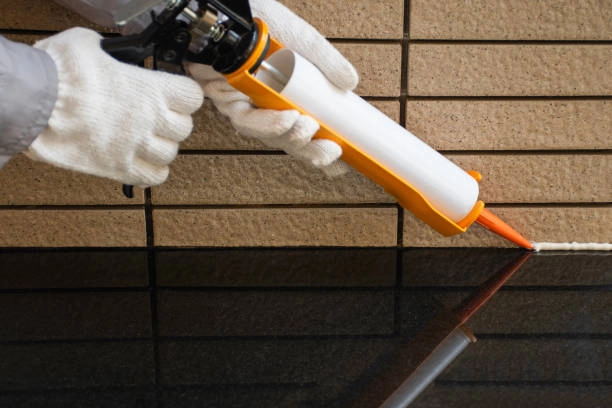
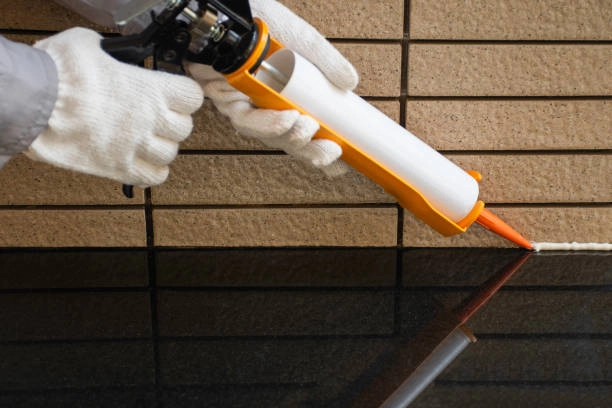
A dependable high-temperature silicone sealant can spell the difference between a secure, enduring bond and an early breakdown amid intense heat. Whether it’s sealing an exhaust manifold, oven door, or industrial duct, grasping what sets a silicone “high-temp” helps pick the best product for the task. These custom materials get designed to endure steady contact with temperatures that would wreck common sealants.
What Makes a Silicone “High-Temperature”?
High-temperature silicone sealants stand apart from everyday silicones in makeup and how they perform amid heat pressure.
The Science Behind Heat Resistance
At the molecular level, silicone polymers hold repeating Si–O–Si bonds. These bonds prove much tougher than carbon-based ones in organic polymers. This setup lends them great steadiness when facing heat, oxidation, and UV radiation. Plus, mixing in strengthening fillers and curing agents boosts their heat tolerance even more.
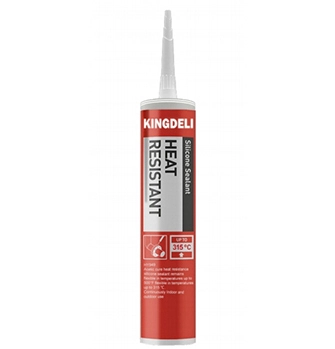
Kingdeli’s HY-949 Acetic Heat Resistant Silicone Sealant is a single component, acetoxy curing, highly flexible adhesive cure by atmospheric moisture. It is resistant to oil, sewage, antifreeze and automatic gear oil. This chemical setup lets it keep elasticity and grip even at higher temperatures up to 315 °C. Likewise, HY-939A Neutral Heat Resistant Silicone Sealant is a single component, neutral cure, highly flexible adhesive cure by atmospheric moisture. It is resistant to oil, sewage, antifreeze and automatic gear oil.
Key Properties and Benefits
The chief perks of high-temp silicones include:
- Heat resistance: They typically operate effectively between –60 °C and +315 °C.
- Durability: They resist cracking and shrinkage after repeated heating cycles.
- Flexibility: Even after curing, they retain elasticity to accommodate thermal expansion.
- Adhesion: They bond well with metals like aluminum and stainless steel as well as non-metallic materials such as PVC or ABS.
It has the characteristics of good oil resistance, temperature resistance, more stable storage, no shrinkage after curing, and easy disassembly for maintenance. These traits render high-temperature silicone a top pick for car and factory uses where both bendiness and sturdiness count.
Exploring the Color Code: Red, Black, and Other Variants
Color goes beyond looks—it frequently points to particular mixes or action features in heat resistant caulk products.
Red High-Temp Silicone Sealants
Red silicone sealants often tie to acetic-cure setups crafted for peak heat staying power. HY-949 Acetic RTV Gasket Maker is formulated for heavy duty applications, ideal to replace almost any cut gasket and can be used to coat pre-cut gaskets to increase reliability. These red types appear often in engine assembly lines. They seal valve covers or exhaust manifolds. That’s because of their solid defense against oil and shakes.
Black High-Temp Silicone Sealants
Black types get chosen where oil defense matters most—think transmission pans or differential covers. That’s since they include extras that better match hydrocarbons. Their dark shade also conceals dirt or grease spots nicer in machine settings.
Specialty Colors: Gray, Copper, and More
Gray sealants like HY-939 Neutral RTV Gasket Maker provide even action between heat handling and bendiness. Copper-colored mixes might hold metal bits. Those aid heat flow or easy spotting in furnace fixes. Special colors assist workers in swiftly pairing items with specific bases or work setups.
Key Applications for High-Heat Caulk
From automotive repair shops to household fireplaces, high-temperature silicone meets varied demands.
Automotive Uses
Automotive engineers count on high heat silicone sealant for gaskets near engines and exhaust systems. It is widely used in the plane sealing of cars (particularly engine gaskets and fuel pump covers). These spots deal with ongoing vibrations and contact with oils or coolants. Thus, sensor-safe mixes ward off rust on delicate parts like oxygen sensors.
Industrial Applications
In factories or power plants, these sealants guard machine joints that face lasting heat or steam push. They get put around furnaces, ductwork links, pumps, and compressors. There, usual adhesives would break down fast.
Home and Fireplace Applications
Homeowners apply heat resistant caulk near fireplaces, stoves, chimneys, or oven doors. The material’s knack for staying bendy guarantees enduring seals. This holds even after many heat rounds without giving off harmful fumes—an vital safety bit indoors.
Buyer’s Guide to Choosing the Right Sealant
Picking the proper high temperature sealant calls for weighing action specs against real-world setup needs.
Evaluating Temperature Ratings
Always check if the product’s top service temperature tops your job’s highest heat by at least 20%. For example:
| Product | Cure Type | Temperature Range | Typical Use |
| HY‑949 Acetic | Acetoxy | –60 °C ~ +315 °C | Engine gaskets |
| HY‑939A Neutral | Neutral | –60 °C ~ +315 °C | Ovens & ductwork |
| HY‑939 RTV Maker | Neutral | –60 °C ~ +350 °C | Industrial machinery |
Pairing these ratings stops early breakdowns in use.
Assessing Chemical Resistance
If your setup includes oils or coolants—as in car engines—go for a mix tested against those liquids. It is resistant to oil, sewage, antifreeze and automatic gear oil.
Sensor-Safe Formulations
Today’s vehicles need oxygen sensors close to exhaust ends. Harmful vapors from some sealants can harm them. Neutral-cure silicones marked “sensor safe” skip this hazard. At the same time, they hold strong grip on metals.
Understanding Curing Time and Application Window
Most one-component silicones set through atmospheric moisture in 24 hours for every few millimeters thick. Put it on evenly over clean spots between 4 °C–40 °C room temperature. This yields the best bond power—a span backed by lots of Kingdeli products in its lineup.
Kingdeli has built its reputation through decades of innovation in adhesives technology. From the foundation in 1998 to now, Kingdeli has become a modern large scale sealant and adhesive manufacturer in Foshan, China. Their strict quality control ensures every batch meets international standards like ISO and ASTM certifications. Whether you need an acetic-cure gasket maker for automotive repair or a neutral-cure high temperature sealant for industrial ovens, Kingdeli provides reliable solutions engineered for durability under extreme conditions—helping professionals worldwide work smarter under heat that never quits.
Frequently Asked Questions About High-Temperature Sealants
Common Curing Times for High Temp Silicone
Curing time shifts with dampness. But it usually hits full power in 24–48 hours under normal room setup. Thicker lines might need extra time. That’s from slower water soak-in.
Adhesive Qualities of High Temp Silicone
Unlike basic caulks that just plug holes, these items work as building adhesives. They join unlike materials like glass-to-metal spots firmly. This lasts even after long heat contact.
Distinction Between Heat Resistant and Fireproof Caulk
Heat resistant caulk handles steady high temperatures. But it doesn’t always stop flames. Fireproof caulk has extras that swell in fire. They form a shield wall—two separate aims.
Usage on Plastic Materials
Neutral-cure kinds like HY‑939A stick nicely to work plastics such as PVC or ABS. They cause no rust—a big plus over acid setups that could mark surfaces.
Methods for Removing Old Silicone
Grab a plastic scraper with a solvent-based cleaner made just for set silicones. Keep mechanical scraping light. This prevents harm to bases before you add new stuff.