
How to Choose the Right Color and Packaging of Acrylic Sealant
In construction and renovation, acrylic sealant colors and acrylic sealant packaging play key roles in professional projects. These choices go beyond just filling gaps. They affect the final look and workflow efficiency.
Sealers act as both functional bonds and visible finishes. Pick the wrong shade or format, and you face mismatched aesthetics, extra rework, or slowed progress on site.
From what manufacturers like Kingdeli see on job sites, many failures with acrylic sealant aren’t about adhesion—but about choosing the wrong color or packaging format for the project. It’s a common oversight that pros learn the hard way.
Why Color and Packaging Matter More on Professional Jobs
Acrylic sealant for construction projects demands careful sealant color selection from the start. Colors dictate if joints blend in or stand out. They also decide if extra painting is needed. Mismatches with doors, windows, stone, or aluminum profiles can ruin the overall design.
Packaging impacts output per hour and labor costs. For big jobs, it cuts material waste and empty container fees. Tools vary too: standard guns for cartridges, sausage guns for foils, or spray setups for bulk.
Think about a high-rise facade. Wrong packaging means constant tube swaps, eating into deadlines. Colors off by a shade? The whole elevation looks patchy.
Common Acrylic Sealant Colors
Colored acrylic sealant comes in shades that suit different needs. Acrylic sealant colors range from basics to custom matches. White vs clear acrylic caulk often sparks debate among contractors.
White Acrylic Sealant
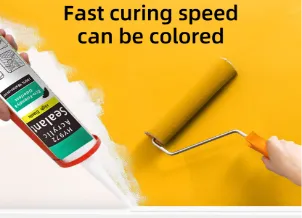
White works well on drywall, latex-painted walls, white frames, and baseboards. It covers strongly and takes paint easily. But on dark surfaces, it might need multiple coats to hide.
This ties into painter’s caulk, which is essentially paintable white acrylic. Handy for interiors where finishes get layered on later.
Clear Acrylic Sealant
Clear fits glass or see-through materials, or spots with minimal filling. It keeps things invisible at first glance.
Yet, issues crop up: yellowing over time, dust buildup on edges, or glaring reflections. Borrow a view from sources like Kingdeli: in long-exposed areas or wide joints, colored or paintable whites prove more reliable.
Clear might tempt for quick fixes, but pros know better in demanding setups.
Grey, Black and Brown Shades
Grey pairs with concrete, aluminum sheets, alloy windows, and metal curtains. It’s neutral and blends in industrial vibes.
Black or deep brown suits metal roofs, dark frames, modern interiors, or theaters. These shades hold up where light colors would stain fast.
Many match to RAL or NCS charts for precision. Gets the job done right the first time.
On façade and window projects, OEMs such as Kingdeli often supply acrylic sealants in standard white, several greys, and custom RAL colors to match aluminum profiles and cladding panels. Saves headaches down the line.
Paintable vs Color-Matched: When to Rely on Paint
Paintable acrylic sealant means it accepts topcoats without cracking or peeling. Opt for white or grey base plus later painting when large areas get uniform sprays. It’s efficient in sequenced builds.
For scattered repairs or no-repaint spots, go with pre-tinted colored acrylic sealant. Matches the end look straight away.
Choice boils down to workflow. Big uniform jobs favor paintables; tricky access areas need color matches.
Packaging Options for Acrylic Sealant and How They Affect Your Job
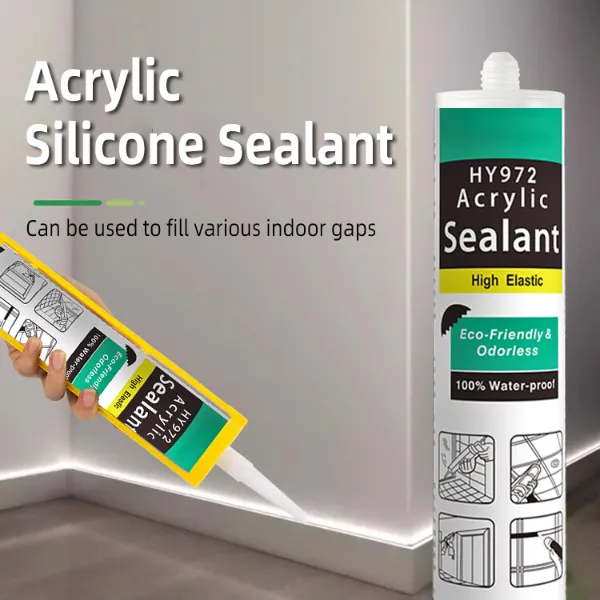
Acrylic sealant packaging varies to fit job scales. From 300ml acrylic sealant cartridge to 600ml acrylic sealant sausage, or bulk acrylic sealant for contractors, each has its place.
Standard Cartridges (280–310 ml)
These are the go-to for small tasks, spot fixes, or home renos. Easy to buy, store by color, and use with basic guns.
Downsides hit on large sites: bulky empties pile up, and frequent changes halt work. Not ideal for marathons.
600 ml Sausage Foils for High-Volume Work
Tailored for pro crews. Less waste, longer runs without stops. Great for long seams like curtains or hallways. Needs special guns, but pays off over time. Cuts interruptions on repetitive color jobs.
Ever notice how sausages compact better in trash skips? Small perk, but adds up on tight sites.
Pails and Drums for Spraying or Pumping
For factories or assembly lines, pull sealant via manual or air pumps. Handles big seals fast. Efficiency shines, costs drop per unit. But gear and training are musts. Best for steady, high-repeat processes.
Not for every crew—some sites lack the setup.
Specialty Formats: Squeeze Tubes & Repair Packs
These handle minor touch-ups or maintenance kits. For pros, they’re more aftercare than main event. Stock them for property teams. Quick grabs for ongoing upkeep.
Matching Color and Packaging to Different Professional Scenarios
Acrylic sealant for windows and doors, acrylic sealant for drywall, or commercial building sealant—pairings shift by task.
Drywall, Skirting and Interior Trim
White or paintable white rules here. Blends with common finishes. For retail spots, stick to 280–300 ml cartridges. Big hotels or apartments? 600 ml sausages save time.
Windows, Doors and Façade Joints
Grey, black, or brown to sync with profiles, panels, or stone. Length dictates: sausages for miles of seams, high-fill 310 ml for shorter runs. Outdoor exposure means UV and dirt checks. Skip clear unless protected—fades fast.
Wet Areas, Kitchens and Utility Rooms (Low-Movement, Paintable Joints)
Acrylic shines in splash zones needing paint. White or lights help spot mold or grime. Cartridges dominate: easy room-by-room handoffs. Damp spots test durability. Pick wisely to avoid callbacks.
Practical Checklist: How to Specify Color and Packaging on Your Next Project
How to choose acrylic sealant color? How to choose acrylic sealant packaging? Run this checklist:
- Substrate & finish: Paint, aluminum, stone, wood veneer?
- Visibility: Blend seams away or highlight as lines?
- Paint schedule: Full recoat? Which step?
- Joint length and volume: Total meters, widths/depths—calc gel needs, pick cartridge or sausage.
- Team & tools: Crews comfy with sausage guns? Pumps on site?
- Logistics & waste: Trash handling, storage space, temps.
Sharing this checklist with your sealant supplier—for example, with the technical team at Kingdeli—helps them recommend the most suitable color range and packaging mix for your project instead of a one-size-fits-all option.
Think Beyond “White in a Tube”
In professional projects, acrylic sealant colors and acrylic sealant packaging for professional projects sway outcomes. They shape visuals, timelines, rework odds, and waste.
No single best color or pack exists. It’s about the right combo for the job.
Pros should detail desired acrylic sealant colors and packaging formats in specs or bids. Ditch vague “acrylic caulk” calls. Gets better results every time.
FAQ
Q: What color acrylic sealant should I use for professional construction projects?
Choose white or paintable acrylic sealant for drywall and trim, grey or black for windows and façades, and clear for small gaps where minimal visibility is needed.
Q: What is the difference between white and clear acrylic sealant?
White acrylic sealant offers better coverage, can be painted, and hides joints well. Clear acrylic sealant is more discreet but may yellow over time and is not ideal for large visible seams.
Q: When should I choose a 300ml cartridge vs a 600ml sausage pack?
Cartridges are ideal for small jobs and maintenance work. Sausage packs suit large projects because they reduce packaging waste and allow longer, more efficient continuous bead application.
Q: Does acrylic sealant come in custom colors for matching façades or window frames?
Yes. Many manufacturers offer grey, black, brown or even RAL-matched acrylic sealant to blend with aluminum profiles, metal cladding or stone surfaces.
Q: How do I specify the right acrylic sealant packaging for construction teams?
Consider joint length, project size, worker tools, and waste management. Large projects benefit from 600ml sausages or bulk pails, while small repairs work best with 280–310ml cartridges.