
How to Protect Natural Stone Countertops Using Silicone Sealant Techniques
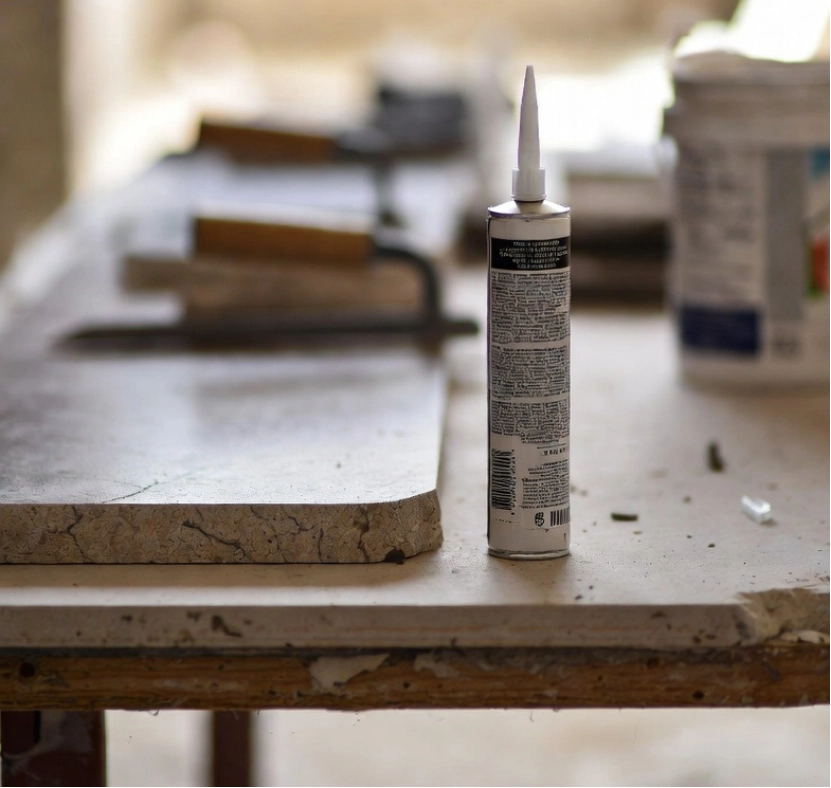
Natural stone countertops give great style and strength, but their open structure leaves them open to harm without good care. Silicone sealants—those made just for natural stone—act as key shields against water, spills, and wear. Yet, not every silicone works well. Picking the bad one or using it wrong can cause color changes, weak sticking, or lasting harm.
Types of Natural Stone Countertops and Their Material Properties
Marble: Characteristics and Sealing Challenges
Marble stands out for its fancy patterns and timeless look, but it ranks as one of the softest countertop choices. Its high openness makes it easy to stain and mark from oils, wine, and sour items.
It needs pH neutral sealants to stop surface harm—acidic silicones can mix with calcium carbonate in the marble, which leads to etching. Also, since it reacts badly to acidic types, marble calls for only neutral cure silicones that have been checked on stone.
Granite: Strengths and Vulnerabilities in Sealing
Granite’s thick makeup offers a big edge in toughness and spill resistance. Still, this thickness does not protect it fully from poor sealant picks.
Before sealing, it needs a full clean. Oil based or wrong silicones can seep into tiny holes, making dark marks that are hard to fix.
Limestone and Travertine: Managing Porosity with Sealants
Limestone and travertine have a very absorbent build that needs sealing often. These stones tend to change color from bad silicone use.
Using breathable, non staining silicone sealants is key. Products like Kingdeli’s HY-763 are free of corrosive and pollution for most of marble, granite, concrete and provide excellent mildew proof and aging resistance.
Slate and Sandstone: Variability in Surface Texture and Absorption
Slate and sandstone bring special feels but come with mixed mineral setups. Their uneven tops make sealing a little harder.
Pre testing is always recommended because silicone adhesion may vary based on mineral content. Flexible joint design can help accommodate uneven edges and thermal expansion.
The Role of Silicone Sealants in Countertop Protection
Benefits of Using Silicone Over Other Sealant Types
Silicone sealants beat other kinds because of their toughness and wide use.
With a long service life, it provides outstanding value and performance in various climates and applications, resisting UV radiation, ozone, rain, snow, and extreme temperatures. It is more durable than organic products, offering lasting flexibility and adhesion.
They also give better water block and ongoing bend—important for kitchens and baths where heat changes happen a lot.
Risks of Staining from Incompatible Silicone Sealants
A big danger comes from using silicone not checked for natural stone. Bad products may leak oils into stone holes, leading to color shifts that stick. That is why ASTM C1248 compliance is non negotiable when sealing sensitive surfaces like marble.
Importance of ASTM C920 and C1248 Standards in Product Selection
ASTM C920 checks stretch, stick, and weather hold while ASTM C1248 looks at stain risk. Ensures non staining performance on sensitive stones like marble—these standards help you filter out unsuitable products quickly.
Preparing Natural Stone Surfaces for Silicone Application
Cleaning Methods That Preserve Stone Integrity
Skip strong cleaners—acidic or rough ones can hurt the stone look. Instead, pick stone safe removers to clear dirt and let the surface dry all the way before putting on any sealant.
Masking Techniques to Prevent Overspill on Stone Surfaces
Use low tack masking tape near joint edges. This ensures clean lines without damaging the finish. Remove the tape immediately after tooling the sealant to avoid tearing cured material.
Joint Design Considerations for Countertop Applications
Good joint setup is not just for looks—it helps the build. Use backer rods to control depth and avoid three sided adhesion, which can lead to premature failure. Movement joints should be placed at slab transitions or sink cutouts.
Application Techniques for Long Term Durability
Tooling Methods That Ensure Proper Adhesion and Finish
Tooling should be done with non metallic instruments to avoid scratching the stone. Apply even pressure throughout the joint to eliminate air pockets—this improves both adhesion and visual finish.
Environmental Conditions That Influence Cure Performance
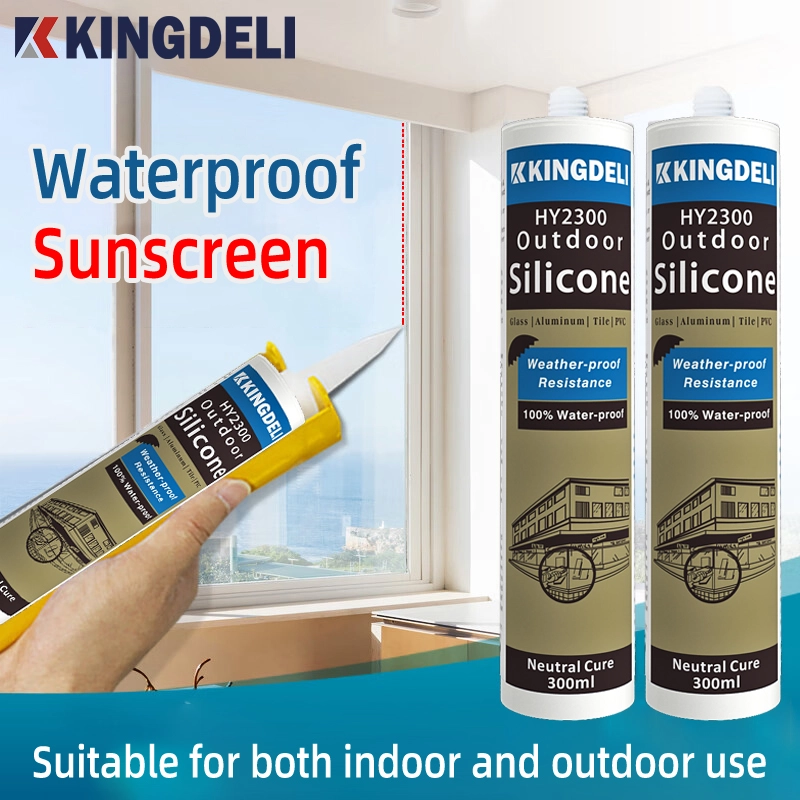
Best work heat sits between 4°C and 40°C. HY-2300 Outdoor Neutral Silicone Sealant exhibits excellent bonding property for most building materials and keeps good performance between the temperature of -50℃ ~+150℃ after curing. Avoid sealing during high humidity or direct sunlight as these conditions affect curing speed and dust attraction.
Maintenance Practices After Silicone Sealing Installation
Routine Cleaning That Maintains Sealant Integrity
Stick with pH neutral cleaners. Avoid anything solvent based as it may soften or degrade cured silicone. Promptly clean spills—especially oil or wine—to preserve both the sealant line and the stone itself.
Periodic Inspection and Reapplication Guidelines
Inspect annually for cracks or detachment. If UV degradation or wear is visible, reapply a compatible silicone such as Kingdeli HY-3300 which exhibits outstanding physical properties for project and general building construction.
Kingdeli is a professional sealant manufacturer with over 20 years of experience in adhesive technology, offering tailored solutions for stone sealing in both residential and commercial applications.
Addressing Failures Due to Improper Sealant Use
Remove stained areas using poultice treatments or refinishing if needed. Always replace with ASTM tested silicone products like HY-763 or HY-3300. Investigate root causes—movement, moisture entrapment, or incorrect surface prep are common culprits.
Regional Factors Affecting Silicone Sealant Performance on Stone
Climate Specific Challenges in Humid or Arid Environments
In humid climates, curing slows down, increasing the chance of dirt accumulation during the tack free phase. Arid zones require UV resistant formulations due to intense sun exposure. Freeze thaw cycles demand flexible sealants with high elongation capability to prevent cracking.
Cultural Preferences in Natural Stone Selection by Region
In the Middle East, polished marble is a popular choice; therefore, non corrosive to metal, coating glass, concrete and marble sealants like HY-3300 are ideal. Southeast Asia’s humid conditions call for anti fungal options such as HY-722 Sanitary Silicone Sealant which is well suited for use in damp areas such as toilets and kitchens where fungal growth on sealants are prevalent.
FAQs
Q: Can I use any silicone sealant on marble countertops?
No, always use neutral cure silicones tested for natural stone compatibility like Kingdeli HY-763.
Q: How often should I reseal limestone countertops?
Typically every 6–12 months depending on usage and exposure levels.
Q: What’s ASTM C1248 and why does it matter?
It’s a standard that tests whether silicone causes staining on natural stone—a must have certification.
Q: Is silicone sealant waterproof?
Yes, especially high quality products like HY-3300 which offer excellent water resistance post curing.
Q: Can I apply silicone in cold weather?
Yes, but stay within the recommended range of 4°C to 40°C for best results.