
Metal Roof and Panel Sealing Complete Professional Guide
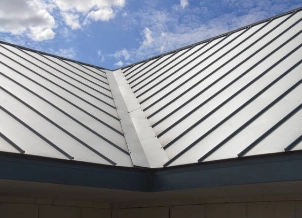
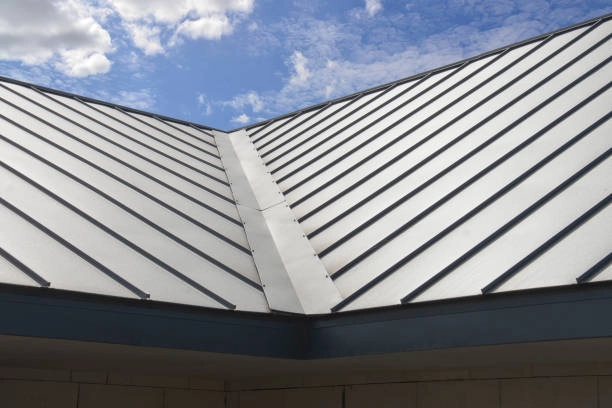
Metal roofs give strong lasting power and stand up well to bad weather. But they also bring special problems for sealing because of ongoing shifts and outside wear. Picking the correct metal roof sealant and putting it on right is key to stop leaks, keep energy use low, and make the roof last longer. Let’s look at the main points—from how joints are made to what the sealant is like.
Metal Roof Movement and Sealing Challenges
Thermal Expansion and Contraction Issues
Metal panels grow and shrink with heat changes. On a bright day, a metal roof can get very hot on top. Then it cools fast after the sun goes down or when rain comes. This shifting puts pressure on joints and spots with fasteners. Over time, it can cause breaks or make the sealant come loose. The sealant’s skill to handle changes in the glue joint’s width matters a lot here. Sealants need to deal with repeated joint shifts without breaking down.
Critical Joint Types in Metal Roofing Systems
Common joints in metal roofing include:
- Overlaps between panels
- End laps where panels meet in length
- Standing seams
- Fastener penetrations (like screws and brackets)
Each one has its own needs for sealing. For instance, fastener spots call for focused sealing with lots of bend. But end laps need wider bead spread with firm hold under pressure.
Environmental Influences on Sealant Performance
Sun rays, heavy rain from wind, and dirt in the air all wear down sealants as time passes. In spots near the sea, salty mist can eat away at things fast. In dry places, dust piles up and can mess with sticking. Local weather plays a big role in how long a sealant holds up and how well it sets. The way single-part products set ties to the weather around. Warm temps and damp air speed up setting. More dampness quickens it but might hurt sticking if done wrong.
Choosing the Right Sealant for Metal Roofing
Silicone Based Sealants for High Durability Applications
Silicone sealants work great for open metal roofs because they fight off sun damage, big temp swings, and wet conditions well. Silicone sealant is a thick paste that turns into a sturdy, rubber like material when it meets damp air. It has solid sticking power, high pull strength, and resists weather, bumps, wetness, smells, and big temp changes. Kingdeli’s HY-3300 Weatherproof Neutral Silicone Sealant keeps steady work from –50 °C to +200 °C. It sticks nicely to glass, aluminum, concrete, and metal wall panels.
MS Polymer Sealants for Flexible Bonding Solutions
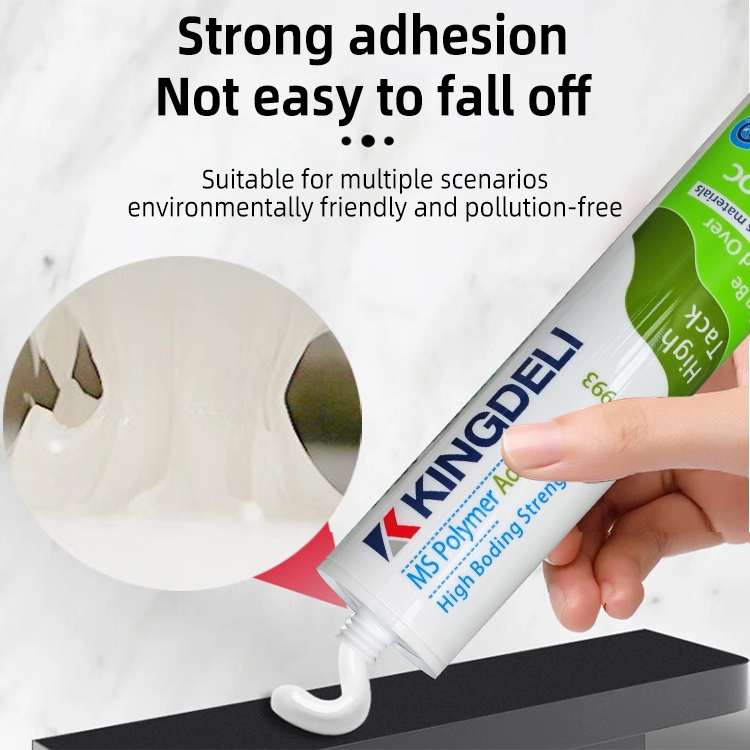
MS (Modified Silane) sealants like Kingdeli’s HY-993 give strong hold to coated and painted metals without a base coat. These sealants can take paint, have low harmful fumes, and fit green projects. They help a lot with tricky shapes or stuff that expands at different speeds.
Polyurethane Sealants for Budget Conscious Projects
Polyurethane sealants bring good tough strength but might break down quicker with long sun contact. Polyurethanes handle cold well and wear okay, but they don’t stand heat as good as silicones. They suit hidden spots like base layer joints or covered paths. Kingdeli’s HY-922 often goes in car and building joints where shaking matters.
Butyl Rubber Sealants and Sealing Tapes
Butyl sealants usually go in hidden joints such as panel overlaps. Butyl sealants do not flow, have weak adhesive strength, but offer good airtightness. Under pressure, they give lasting seals without needing time to set. This makes them perfect for parts put together in factories.
Best Practices for Sealant Application on Metal Roofs
Preparing the Surface for Optimal Adhesion
Get rid of all oils, rust, dust, and junk with cleaners or a wire brush. The surface has to be dry before you put it on. Any wetness can weaken the bond or cause bubbles while it sets.
Joint Design Considerations Before Sealing
Joint sizes should plan for expected heat shifts. For deeper ones, add a backer rod to manage sealant depth and spread stress evenly. Always check how much stretch or squeeze the sealant can take compared to the starting joint width. Match it to what the maker says.
Timing and Environmental Conditions During Application
Best temps for putting it on are between 5 °C–35 °C. Lots of damp air might speed up the skin forming but cut down on work time. Don’t put it on during rain or frost since that hurts the first stick.
Techniques for Sealing Common Roof Joint Configurations
- Apply continuous beads along standing seams
- Encapsulate fasteners with a dome of sealant
- Tool the bead to ensure contact with all joint surfaces
- Maintain consistent bead size for aesthetic and functional purposes
Climate Specific Metal Roof Sealing Approaches
Challenges in Arid Desert Climates
Quick heat changes call for bendy sealants like silicones that manage growth without ripping. Keeping dust away is vital. You must clean before sealing, no skipping that.
Considerations for Tropical Rainy Regions
Heavy dampness changes how fast it sets. Pick products like Kingdeli’s HY-2300 Outdoor Neutral Silicone which deals with wet spots and fights mold. Pools of water might need extra layers to block leaks.
Solutions for Coastal or Marine Environments
Air full of salt speeds up rust on metal bases and weak sealants. Go for tough types like HY-3300 that give non-rusting bonds even on aluminum or coated steel.
Maintenance Strategies for Long Term Performance
Recommended Inspection Intervals and Methods
Check at least two times a year—before and after bad weather times. Pay attention to seams, fasteners, edges around skylights, and flashing sides. Watch for changes in pull strength like cracks or coming loose.
Common Failures in Metal Roof Sealing Systems
Most problems come from bad surface readying or wrong sealant pick. If old sealant is worn out, take it all off before adding new. Putting on too much can hold in wetness, which leads to bubbles or stick failure down the road.
Technical Clarifications from Industry Professionals
Choosing Between Silicone vs. MS Polymer Sealants
Silicone gives better long life and stands up to harsh weather but you can’t paint it. MS polymers offer bend, nice hold to painted spots, and work well for looks focused jobs.
Frequency of Reapplication or Replacement Needs
Expected lifespan:
| Sealant Type | Lifespan | Reapplication Notes |
| Silicone | 15–25 | Minimal if undisturbed |
| MS Polymer | 10–20 | Paint compatibility helps maintenance |
| Polyurethane | 5–10 | Replace sooner in UV exposed conditions |
Cold Weather Application Guidelines
Use mixes made for cold or warm the tubes a bit first to keep them flowing. Setting takes longer below 5 °C. Give more time before letting sealed spots get wet.
Preventing Leaks at Fastener Penetration Points
When putting in, add a thick bead around each screw or rivet before pushing them through. For old setups, think about sealing each spot one by one instead of covering the whole thing.
FAQs
Q: Can I apply silicone roof sealant over old sealant?
Only if the old layer is intact and compatible—otherwise remove fully before applying new material.
Q: What type of sealant works best with painted metal wall panels?
MS polymer sealants offer excellent adhesion to painted surfaces without primer.
Q: How long should I wait after applying metal roof sealant before it rains?
At least 24 hours under optimal conditions; longer if temperatures are low or humidity is high.
Q: Is it necessary to use a backer rod in all joints?
Not always—but it improves performance in wide or deep joints by controlling bead depth.
Q: How do I know when my roof sealant needs replacement?
Look for shrinkage, hardening, cracks, or separation from the substrate—these indicate failure.