
Neutral vs Acetic Silicone Sealant: Key Differences Explained
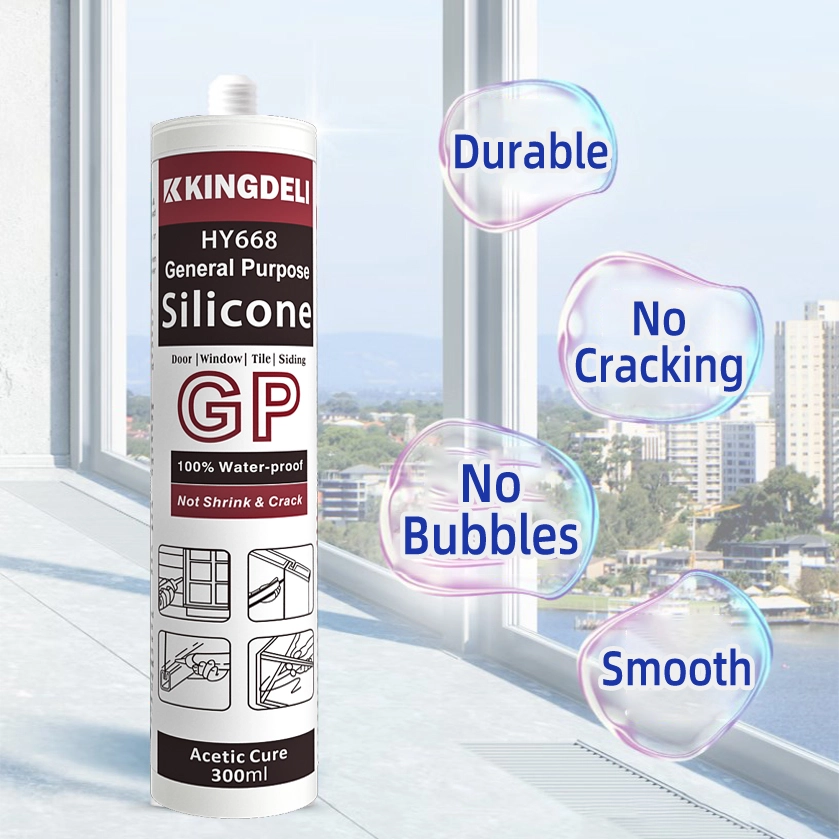
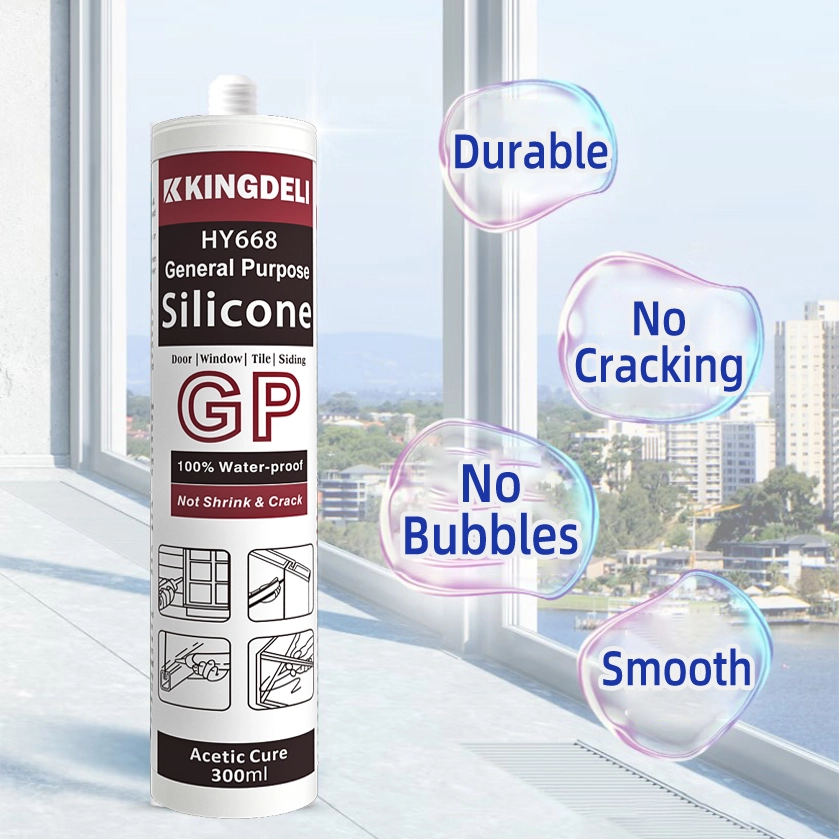
Silicone sealants play a key role in today’s building and production work. You might seal a bathroom seam, fit a window, or guard metal parts against rust. In these cases, picking neutral or acetic silicone sealant affects how long your work lasts and how well it works.
What Are Silicone Sealants
Silicone sealant mainly consists of polydimethylsiloxane. It includes cross-linking agents, fillers, plasticizers, coupling agents, and catalysts. It hardens at room temperature. This happens via a reaction with air moisture. It turns into a stretchy silicone elastomer.
The hardening lets them stay flexible under pressure or weather hits. You often see them waterproofing baths. They seal outer walls. They stick glass sheets together. Or they protect electrical parts.
The Main Types of Silicone Sealants
People divide them into two big groups: neutral cure and acetic cure.
Neutral cure silicones give off alcohol or oxime as they harden. Acetic cure silicones let out acetic acid. That’s what causes the vinegar scent. Each type brings its own strengths. These depend on the surface and surroundings.
Key Differences Between Neutral and Acetic Silicone Sealants
What sets these two apart comes from their makeup, how they harden, and how they pair with different materials.
Chemical Composition and Curing Process
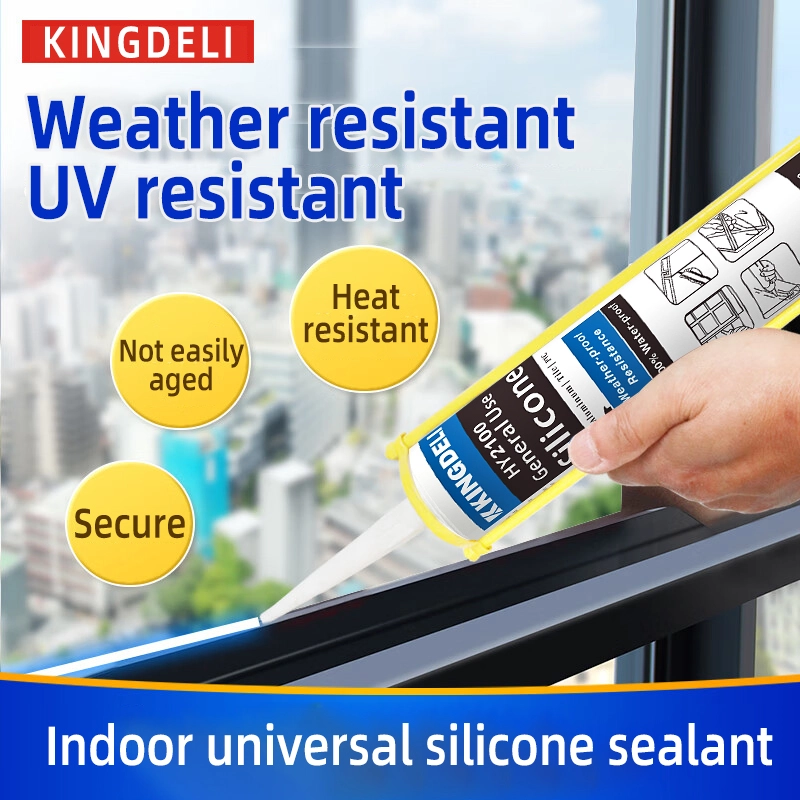
Neutral silicones harden in a way that doesn’t harm metals or basic stuff like concrete. Take HY-2100 General Use Neutral Silicone Sealant. It’s a single-part, long-lasting neutral cure rubber glue for everyday tasks. It shows traits like no harm to metal or cement.
Acetic silicones release acetic acid as they set. You know it from the strong vinegar smell. This acid might eat away at some metals. Yet it grips glass tightly. How they harden influences bendiness and grip power. Neutral ones take longer to cure. But they match more materials. Acetic ones set quicker. Still, you limit them to surfaces that won’t corrode.
Material Compatibility and Applications
Knowing the best sticking spots for each helps you get results that hold up.
Suitable Surfaces for Neutral Silicone
Neutral silicones stick superbly to metals like aluminum or stainless steel. They work on concrete seams, plastics, wood, and electronic bits. HY-2300 Outdoor Neutral Silicone Sealant fits glazing and weather sealing. It bonds well to most construction items such as glass, aluminum, brick, concrete, ceramic.
You find them perfect inside where you dodge rust. Or outside where they fight the elements.
Suitable Surfaces for Acetic Silicone
Acetic silicones grip hard on smooth items like glass, ceramics, tiles, or painted spots. HY-668 General Purpose Acetic Silicone Sealant shows strong sticking for glass and many building materials. It operates between 4℃ and 40℃. Many use them in kitchens or baths. Their fast dry-out and water hold make them handy there.
| Type | Curing Byproduct | Best Surfaces | Typical Use |
| Neutral Cure | Alcohol/Oxime | Metal, Concrete, Plastic | Construction joints, outdoor sealing |
| Acetic Cure | Acetic Acid | Glass, Ceramic Tile | Bathrooms, glazing |
Durability and Weather Resistance
Neutral silicones keep their stretch over broad heat spans, from -50°C to +200°C in certain mixes. This makes them fit for outer walls facing tough weather.
Acetic silicones handle dampness fine too. But they can wear down metal bases if you pick wrong. In all-glass setups like fish tanks or shower walls, acetic kinds stay dependable.
Practical Considerations When Using Silicone Sealants
Choosing the correct item involves seeing how it acts when you put it on, like dry speed and cleanup ways.
How Long Do Silicone Take to Dry
Air dampness and heat decide dry time. The top layer often sets in 30 minutes up to a few hours. Full hardening needs 24–48 hours for top strength. Look at HY-739 Premium Acetic Silicone Sealant. It performs well from -50℃ to +150℃ after it sets. This shows steadiness when done. Thick gaps or bad air flow stretch this out a lot.
How to Remove Silicone Sealant
You need to strip old silicone before adding fresh:
- Cut edges with a utility knife or scraper.
- Put on a store-bought silicone dissolver or rubbing alcohol to loosen leftovers.
- Wipe with a cloth till no marks remain.
- Make sure spots dry fully before new sealant goes on.
This keeps adhesion strong. Leftover gunk often causes early seal breakdowns.
Choosing the Right Sealant for Your Project
You match the sealant kind to your setup for lasting results.
When to Use Neutral Cure Silicone Sealant
Neutral cure picks fit frame glazing or spots at rust risk, like aluminum edges or strong concrete links. HY-763 Silicone Sealant for Marble and Concrete avoids harmful pollution on marble, granite, concrete. It offers fine weather hold. You also pick them for low smell spots, such as clinics or inside updates with low VOC output.
When to Use Acetic Cure Silicone Sealant
Acetic kinds do well in clean jobs that need fast stick in damp spots, like showers, sinks, fish tanks. HY-722B Sanitary Acetic Silicone Sealant hardens into very sturdy rubber. It fights mold well and suits bath and kitchen use.
Tips for Effective Application of Silicone Sealants
Top products from Kingdeli still need right putting-on methods.
Preparing the Surface Before Application
Wipe all areas clean with alcohol or gentle soap. Clear away oil layers or dirt bits that block sticking. Allow full drying before laying sealant. Trapped wet can lead to air pockets down the line.
Applying the Sealant Evenly and Smoothly
Snip the tip at a 45° slant for even flow on joins. Push steady with a caulking tool. Keep moving along the seam. Even out extras with a tool or soapy-water-dipped gloved finger. Do this before the top skin forms.
Ensuring Proper Curing Conditions
Hold temps around 20–25°C. Give good air flow while it sets. Keep new sealant from water hits or grit till done. Else, flaws show up. These weaken water hold later.
Kingdeli focuses on making both neutral and acetic silicone sealants for various business uses. They started in 1998 in Foshan, China. They make over 60,000 tons each year. Strict checks ensure steady quality from raw picks to pack end. From the foundation in 1998 to now Kingdeli has become a modern large scale sealant manufacturer. Our products show how mix changes lead to real benefits in your work. It depends on materials and weather hit.
FAQs
Q1: How long do silicone sealants take to fully cure?
Most need 24–48 hours based on depth and dampness before full bond strength.
Q2: Can I paint over silicone sealants?
Usually not. Paint won’t stick right unless you pick special paint-ready mixes like acrylic-altered ones.
Q3: What’s the easiest way on how to remove silicone sealant?
Slice off old bits with care. Then use a solvent remover. Wipe clean leftovers. Add new layer after.
Q4: Why does my acetic silicone smell like vinegar?
The scent stems from acetic acid let out as it cures. It’s safe once set but stands out at first.
Q5: Which type lasts longer outdoors?
Neutral cure silicones often beat acetic ones in sun rays. Their better weather build holds up to +200°C tests.