
Practical Sealing Solutions to Protect Garages Before the Snow Hits

Before winter comes, garages deal with special weather challenges. Snow piles up. Freeze thaw cycles happen. Bad drainage lets water seep in. If you ignore these spots before the first snow, you might face mold, weak structures, and big repair costs.
The best way to fight these problems is to use strong sealing stuff in the right places. Let’s look at simple ways to seal things. This will keep your garage dry and safe from winter storms.
Key Areas Where Moisture Enters the Garage
Floor-to-Wall Joints and Concrete Slab Cracks
Snow melts near or inside the garage. Then, water gets into floor to wall spots and tiny cracks in the concrete. These places suffer a lot from freeze-thaw changes. Such cycles slowly make cracks bigger.
Silicone products beat organic ones for lasting value. They don’t fail too soon. That’s why silicone sealants work great here. They stay bendy and tough against weather shifts. A gray sealant that cures flexibly matches concrete looks well. Plus, it moves as the concrete grows or shrinks.
Garage Door Perimeter and Threshold Zone
Wind pushes snow through small gaps around garage doors and frames. Over time, weatherstripping and bottom sweeps get flat. This lets water sneak inside.
You can add a threshold barrier at the bottom. It helps a lot against water. The barrier lifts the floor a bit. So, melting snow flows away from the inside.
Wall Penetrations and Utility Openings
Wires, gas lines, and water pipes go through walls. They leave little holes that folks often miss. These gaps pull in cold air, dampness, or bugs.
Try expanding foam for uneven spaces. Then, add silicone sealant around the edges. This combo lasts a long time.
Effective Sealing Materials for Winter Preparation
Choosing the Right Silicone Sealant for Cold Weather Conditions
Not every sealant holds up in the cold. For garage jobs in winter, pick silicone types that keep their stretch and stickiness even when it’s chilly.
Kingdeli’s products stick well to many work materials. These include glass, ceramics, wood, painted spots, and lots of metals plus plastics. Gray silicone sealants fit floor joints nicely. They have a low-key color. Items like HY-3300 stay stretchy from -50°C to +200°C. This suits places with changing weather.
Supplementary Materials to Improve Seal Longevity
- Acrylic-based sealants: Great for painted spots like door frames or edges.
- Foam fillers: They grow to fill weird-shaped holes that caulk tools can’t touch.
- Threshold barriers: They steer water away at ground level.
Mixing these materials gives full protection.
Techniques for Sealing Floor Joints and Baseboards
Preparing Surfaces Before Application
Cleaning matters a ton. Get rid of old caulk or junk with a putty knife or scraper. Next, wipe the spot with alcohol or home cleaner. Let it dry all the way. Clear out dirt, dust, and old caulk from every joint. Do this before you put on new sealant.
Applying Sealants Along Cracks and Expansion Joints
Grab a caulking gun. Squeeze out a even line of silicone along cracks or joins. Give it time to harden. This depends on the air temp and dampness. In cold weather, look at the silicone cure time. Some kinds need more hours to set when it’s cool.
Enhancing Protection Around Garage Doors
Sealing Exterior Frames and Trim Areas
Put a line of silicone along the side jambs. Do this where siding meets the trim. Pay extra attention to corners. Water likes to sit or drip there from the roof.
Replacing Weatherstripping Components Efficiently
Check the rubber seals. If they seem hard or squished, swap them out. Pick stuff that stays soft even in the freeze.
Installing a Threshold Barrier for Drainage Control
A threshold that goes up 1/2–1 inch blocks melting snow from under the door. It works well. Add a fresh bottom sweep too. This makes it tight against air.
Addressing Less Obvious Moisture Pathways
Filling Gaps Around Electrical or Plumbing Penetrations
Spray expanding foam into big or odd holes around pipes and wires. Let it harden. Cut off any extra bits. Then, seal the sides with silicone. This stops air from leaking.
Treating Painted Interior Jambs Without Compromising Aesthetics
Go for siliconized acrylic sealant. You can paint over it if you want. Pick gray or matching colors. This keeps the look steady.
Integrating Professional Solutions into Your Sealing Strategy
When DIY Isn’t Enough: Leveraging Industrial Expertise
Big garages or old buildings with deep joints might need special stuff. This goes beyond home fixes.
Kingdeli has custom silicone options for tough spots. Their high-modulus weatherproof sealants offer better stretch and life. They handle sun rays and freezing cold just fine.
Selecting High-performance Products Backed by Manufacturing Experience
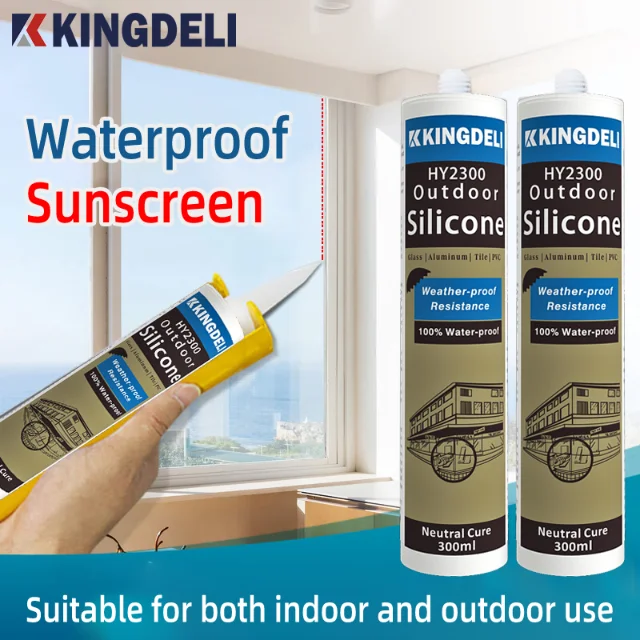
Kingdeli focuses on research for building glues. They make tough choices that seal water and stick things. Their HY-2300 Outdoor Neutral Silicone Sealant fits perimeter jobs on concrete, aluminum, or stone well.
Maintaining Long-term Protection Through Seasonal Checks
Monitoring Seal Integrity Throughout Winter Months
Water can still get in if a seal gets weak during the season. Check main spots each month. Do this after big snows or quick melts. Add more sealant if needed. Use what’s left from your first batch.
Planning Ahead with Reliable Product Sources
Keep spare tubes of good products ready. Build ties with solid sellers like Kingdeli. This way, you get steady supplies of top stuff. It cuts down on delays. You’re set for fast repairs anytime.
FAQs
Q: How long does silicone sealant take to cure in cold weather?
Cure time changes by product. It might stretch to 48 hours when it’s cold. Always read the label for tips.
Q: Can I apply gray sealant over painted surfaces?
Yes. But siliconized acrylic sealants work better on painted parts. They stick nicer and look good.
Q: What’s the difference between acrylic and silicone sealants?
Silicone gives better bend and long life. Acrylic paints easy but holds up less outside.
Q: How do I know if my weatherstripping needs replacing?
Look for breaks, hardness, or flat parts. Air or light slips through easy there.
Q: Why is foam used before applying silicone around pipes?
Foam fills uneven spots as it grows. Silicone closes the rim. Together, they cover all against wind and drips.