
RTV Silicone Sealant Applications for Enhancing Engine Performance
Applications of RTV Silicone Sealant in Engine Systems
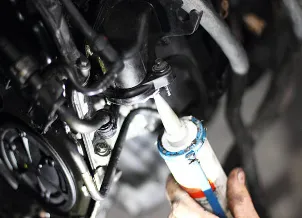
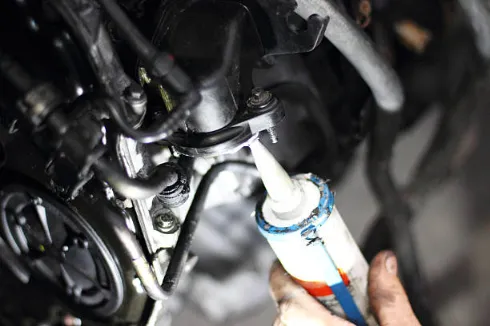
Sealing Engine Gaps and Preventing Fluid Leaks
RTV silicone sealant has an important job in today’s engine building. It seals spots that face steady heat changes and physical strain. This works well for closing spaces between the cylinder head and engine block. Keeping fluids in place is key for good work.
The sealant stops leaks of oil, coolant, and transmission fluids. Without it, engines can get too hot or parts wear out early. RTV silicone handles high heat well. The seal stays strong even past 200°C. Silicone keeps its protective qualities across many temperatures. So, it fits hot jobs nicely.
Enhancing Gasket Performance in High-Stress Areas
In spots with lots of pressure, like by the exhaust manifold or timing covers, folks use RTV silicone with gaskets or instead of them.
- It makes a steady, bendy seal. This adjusts to shakes and small shifts.
- Once RTV turns into a strong rubber-like material, it takes in bumps. And that cuts the risk of gasket breaks.
- Silicone sealant starts as a thick paste. Then, with air moisture, it hardens into a solid, rubbery organic elastomer.
Improving Intake Manifold and Valve Cover Sealing
Air leaks in the intake can mess up the air-fuel mix. That hurts engine power. RTV silicone fills bumps on intake manifold surfaces. So, it makes a tight air seal. On valve covers, it stops oil from leaking. Oil could drip on hot parts or sensors. The bendiness helps it hold the seal during heat swells and shrinks.
Benefits of Using RTV Silicone Sealant for Automotive Performance
Resistance to Heat, Chemicals, and Pressure
Car engines face tough conditions. Think hot temps, harsh liquids, and blast pressure all at once. RTV silicone fits these well.
Made to take very hot engine temps without breaking down. It fights off car fluids like oil, coolant, and fuel extras. The seal stays good under strong pressure in fire chambers.
Durability and Long-Term Reliability
A top feature of RTV silicone sealant is how long it lasts. These sealants stay bendy as time goes on. So, you fix things less often. They don’t crack or shrink much. That means sealed parts last longer.
Vibration Dampening for Sensitive Components
New engines have many sensors and electronic bits. So, controlling shakes matters a lot. Put RTV around delicate electronics or plugs wisely. It softens jolts. Silicone has great electrical insulating traits. This keeps it safe near wire ends and bundles.
Key Areas of Application Within the Engine Compartment
| Area | Application Purpose |
| Cylinder Head & Engine Block | Maintain compression;
prevent coolant leaks |
| Oil Pan & Timing Chain Cover | Seal uneven surfaces;
stop oil seepage |
| Thermostat Housing & Water Pump | Provide long-term sealing under pressure cycles |
Best Practices When Applying RTV Silicone Sealant on Vehicles
Surface Preparation for Optimal Adhesion
Before you put on RTV silicone, make sure surfaces are ready.
- Clean
- Dry
- Free from old gasket material or oil residue
Good cleaning boosts sticking power. And it stops early breakdowns.
Application Techniques for Consistent Sealing Results
Put down a smooth line. Don’t use too much, or it might push out into parts. Stick to maker’s tips on line size and spot. Hold or put parts back together softly. This lets it set right.
Curing Time Considerations Based on Use Conditions
Most silicone sealants get sticky-free in 20 minutes to 1 hour after you apply them. Full hardening usually needs 24 hours to 48 hours. Don’t start the engine until it’s fully set. That way, it lasts longer.
Choosing the Right RTV Silicone Sealant for Automotive Use
Selecting Formulations Based on Operating Conditions
Car sealants aren’t all the same. Think about your setup. Pick heat-proof kinds for exhaust and turbo parts. Go for oil-tough ones on engine blocks and pans. Use safe types for sensors, like non-harming ones near O2 spots.
Compatibility with Metals, Plastics, and Composites in Engines
Make sure the RTV sticks well to:
- Aluminum engine blocks
- Steel covers
- Polymer-based intake manifolds
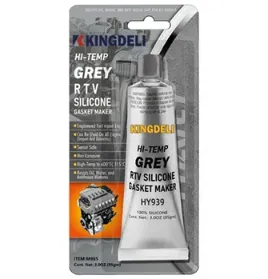
Kingdeli’s products stick great to many work materials. That includes glass, ceramics, wood, painted spots, and lots of metals and plastics.
The Role of Specialized Manufacturers in Product Quality Assurance
Importance of Industry Expertise in Sealant Development
Companies like Kingdeli focus on making strong mixes for cars. Their know-how makes sure of:
- Shake resistance
- Heat steadiness
- Chemical toughness in real life
Contribution to Global Automotive Supply Chains
Kingdeli helps car makers and fix shops. They give steady product quality, custom fixes for certain car types and trusty shipping and tech help around the world
Maintenance Tips for Long-Term Sealant Performance in Engines
Periodic Inspection of Sealed Joints During Servicing
At regular oil swaps or coolant checks:
- Look at sealed spots for splits or drips
- Swap out worn sealant before it fails
Reapplication Guidelines After Component Replacement
When you swap parts like water pumps or timing covers. Get rid of old RTV all the way. Clean surfaces fully. Put on new sealant per the product’s rules
Expanding Applications Beyond Engine Components
Use in Transmission Housings and Differential Covers
These parts often have rough cast sides with flaws. RTV fills holes where paper gaskets fall short.
Application Around Electrical Connectors Exposed to Moisture
Connectors under the hood can rust from water. A thin line of RTV at connector edges keeps water out and boosts wire steadiness.
Silicone is widely used in the automotive industry for sealing, insulation, and protection against moisture and environmental factors.
FAQs
Q: What does RTV stand for in silicone sealant?
Room Temperature Vulcanizing — it cures at room temperature upon exposure to moisture.
Q: Can RTV silicone be used as a gasket replacement?
Yes, especially in low-pressure or irregular surfaces where traditional gaskets may not seal well.
Q: Is RTV silicone electrically conductive?
Standard silicone is not conductive; it is primarily an insulator, but it can be modified to achieve conductivity if needed.
Q: How long should I wait before starting the engine after applying RTV?
Full curing typically takes 24 hours to 48 hours. Always check product instructions.
Q: Why choose Kingdeli’s automotive sealants?
Kingdeli offers specialized, high-performance solutions tailored for automotive environments with strong R&D and global supply chain support.