
Silicone Sealants in Construction Work: Benefits for Expansion Joints
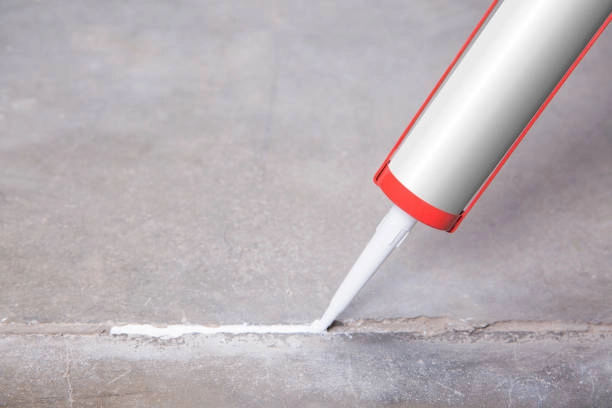
Expansion joints are one of those hidden but vital parts that silently guard big building projects from breaking down. Without them, structures would split from heat changes, ground shakes, and material shrinking. The secret to making these joints work well for a long time? The proper joint filler — and silicone sealants have become the best choice for lasting results.
Role of Expansion Joints in Construction
Purpose and Function of Expansion Joints
Expansion joints are planned gaps between building parts that let things move. They are important for handling stresses from:
- Heat growth and shrinking
- Building settling or slow shifts
- Earthquake moves and shakes
By permitting controlled shifts, expansion joints stop ugly cracks or expensive harm in concrete floors, outer walls, and other pieces. They also keep waterproof layers and top finishes whole — which is key for strength and people safety.
Common Locations for Expansion Joints
You will often see expansion joints in spots of a building where motion is likely:
- Building outer walls and glass systems (especially those with glass or metal)
- Concrete floors and ground setups
- Roof setups and raised parking areas
These joints are not for looks—they are working features built into the building plan.
Characteristics of Silicone Sealants for Expansion Joints
Key Performance Properties of Silicone Sealants
Silicone sealants shine in building jobs because of their great mix of bendiness, long life, and toughness against weather. Silicone sealant is a thick paste that turns into a strong, rubber like material when it meets air moisture. It stays flexible even in tough settings.
Some main traits include:
- It keeps steady over a broad span of working heats.
- It has strong defense against sun rays and bad weather, stopping it from getting hard, splitting, breaking, drying out, or turning brittle.
- It sticks well to many building materials.
Comparison with Other Joint Sealant Types
When you look at polyurethane (PU) and polysulfide (PS) sealants:
| Property | Silicone | Polyurethane | Polysulfide |
| UV Resistance | Excellent | Moderate | Poor |
| Temperature Range | -50°C to +200°C | -20°C to +90°C | -30°C to +100°C |
| Durability | 20+ years | 10–15 years | 7–10 years |
| Maintenance Need | Low | Medium | High |
In similar uses, it usually gives three times the ongoing shield compared to other kinds. So, it stops early breakdowns and high fix costs.
Benefits of Silicone Sealants in Expansion Joint Applications
Movement Accommodation Capabilities
Silicone sealants are valued for their stretching skill. They handle changing joint shifts without breaking or coming loose. This is vital for outer wall systems where daily heat changes can lead to big straight moves.
Resistance to Environmental Degradation
Silicones fight off harm from sun, ozone, rain, and air chemicals. Even after prolonged exposure to various chemicals and environmental pollutants, the sealant maintains excellent durability and resists rapid degradation. This makes them perfect for ongoing outside use.
Compatibility with Construction Materials
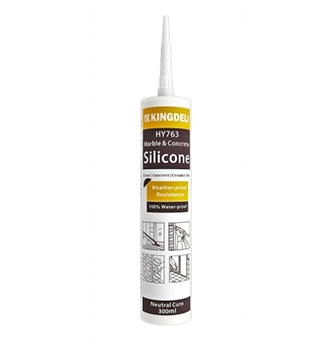
Current neutral cure silicone sealants like Kingdeli’s HY-2300 or HY-3300 series show firm sticking to:
- Glass
- Aluminum
- Concrete
- Stone and masonry
It shows great sticking to a broad range of building stuff, including glass, ceramics, wood, painted spots, and many metals and plastics.
Design Considerations When Using Silicone Sealants
Joint Geometry Requirements for Optimal Performance
The shape of the expansion joint impacts sealant work directly. A good width to depth balance is often 2:1. Backer rods are needed to manage sealant depth and prevent sticking on three sides. That can cause early problems.
Substrate Conditions Affecting Adhesion Performance
Surface setup is important. Dust, oil, or wet can block sticking. Checking surface holes and cleanness makes sure the sealant bonds right. Sometimes, primers are needed — mainly with materials that soak up like concrete.
Application Techniques for Silicone Sealants in Construction Work
Surface Preparation Protocols Prior to Installation
Before putting on any silicone joint sealant:
- Clean surfaces well to take away dust or oil.
- Check for water amount.
- Use forced air or brushes for narrow joints.
Installation Practices to Ensure Performance Longevity
Use backer rods to fix depth and help two sided sticking. Shaping the bead correctly aids in making a curved surface that handles growth.
Kingdeli‘s neutral silicone options are made for simple shaping and easy putting on — a handy trait during big glass wall jobs.
Quality Control Measures During Sealant Installation
Inspection Criteria During Application Phase
On site checkers should confirm:
- No air pockets or empty spots
- Full sticking along joint sides
- Even bead form and depth
Testing Methods After Sealant Curing
After cure checks include pull tests for sticking and fake movement trials. These make sure the sealant can deal with real stresses over time.
Maintenance Strategies for Silicone Sealed Expansion Joints
Regular Inspection Intervals and Indicators of Wear
Look for:
- Surface splits
- Side coming loose
- Color change or powdering
Watching joint shifts is also important — especially in high motion builds like bridges or tall buildings.
Repair Procedures for Damaged or Failed Sealant
Careful taking off is key. Avoid hurting nearby surfaces. Putting back on should only use matching silicone items — best from the same group.
As a sealant supplier, Kingdeli offers product lines like HY-3300 that fit well into both fresh builds and fix jobs because of their matching with materials.
Common Issues Affecting Silicone Sealant Performance
Causes Behind Premature Failure in Field Conditions
Usual mistakes include:
- Too small joints that push sealant too hard
- Bad surface ready leading to sticking loss
- Using wrong or old materials
Preventative Measures During Design and Installation Phases
Builders must figure expected joint shifts correctly. Then pick low strength, high shift silicones based on that. Matching checks should always come before wide use.
Kingdeli has been making building grade glues since 1998, with a yearly make over 60,000 tons. Their research led item growth ensures each mix works in different weathers and stuff types.
FAQs
Q: What’s the difference between neutral and acetic silicone sealants?
Neutral silicones are non corrosive and better for metal or masonry; acetic types cure faster but may corrode certain surfaces.
Q: Can silicone sealants be painted over?
Most silicones aren’t paintable — use acrylics or MS polymers if painting is needed.
Q: How long do silicone sealants last in expansion joints?
High quality silicone sealants can last over 20 years with minimal maintenance.
Q: Do I need a primer before applying silicone?
Depends on the substrate — porous materials like concrete may require primers for optimal adhesion.
Q: Why choose Kingdeli silicone products?
Kingdeli provides silicone sealants with excellent weather resistance and superior bonding performance, suitable for various applications such as building sealing, waterproofing, and shock absorption.