
Things You Should Know about High Temperature Silicone Sealant
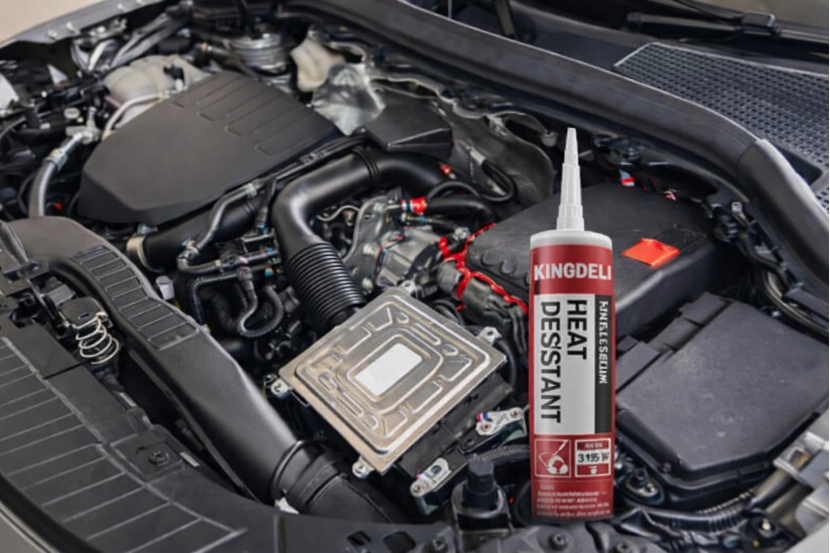
High temperature silicone sealants play a key role in jobs where regular sealing stuff would break down or quit in tough spots. They work well for sealing exhaust manifolds, insulating oven doors, or keeping gaskets solid in factory machines. These special sealants give strong lasting power and good fit. Their special traits come from smartly made chemical mixes. So, they form a vital part of today’s building supplies.
Characteristics of High Temperature Silicone Sealant
Core Properties That Enable Heat Resistance
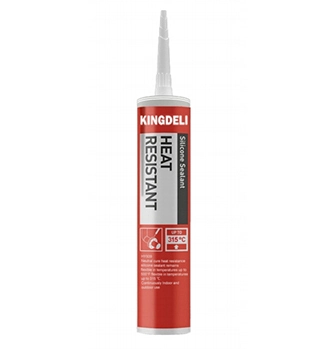
High temperature silicone sealants show great heat steadiness. Some kinds work well from -60 °C to 315 °C. HY-939A Neutral Heat Resistant Silicone Sealant handles tasks nicely in that range, from -60℃ to 315℃. This makes it fit for places like furnaces and engine areas. These sealants fight off rusting and heat breakdown. They do this even after long time in hot spots.
One main feature is keeping bendiness. Many items get hard or split under heat changes. But silicone holds its rubber-like traits. As a result, it cuts the chance of breaking from shakes or growth.
Chemical Composition and Performance Advantages
On a tiny level, the heat toughness of these sealants comes mostly from their polysiloxane (silicone) base. This setup gives built-in heat strength and rust fight. Silicone sealant acts like a thick paste. When it touches air moisture, it hardens into a firm, bouncy organic rubber.
Add-ins can boost how well it stands up to oils, fuels, and factory cleaners. This matters a lot in car fixes or machine sealing jobs.
Two main hardening types exist: acetic cure and neutral cure. Acetic cure kinds give off a vinegar smell. They suit glass and non-harming surfaces best. Neutral cure types, such as HY-939A Neutral Heat Resistant Silicone Sealant, stay safe for metals and gadgets. That’s because they don’t eat away at stuff.
Color Variants and Functional Differences
Red Silicone Sealant for General High-Heat Applications
Red silicone stands out in hot-temp jobs. Folks know it well. It gets made for uses like car engine parts and factory ovens. The red color often points to its match with high-heat gaskets and metal bases.
Black Silicone Sealant for Oil-Rich Environments
Black kinds get special tweaks for spots full of oil stuff, like car oil or grease. Their better oil fight makes them a top pick for engine areas or machine setups. There, oil touch happens often.
Gray, Copper, and Other Specialized Formulations
Copper-mixed silicone sealants bring more heat flow. This helps when sealing parts that need to shed heat fast. Gray types might fit where looks count, like matching air systems. Or, they work when a plain look is better.
Application Areas Across Industries
Use in Automotive Assembly and Maintenance
High temp silicone sealants see wide use to seal valve covers, exhaust manifolds, water pumps, and thermostats. Their bendiness keeps them whole through heat ups and downs and shakes common in car setups.
Industrial Equipment and Machinery Sealing Needs
In plants or power spots, these sealants help in boilers, heat exchangers, air pipes, and furnaces. It is widely used in the plane sealing of cars (particularly engine gaskets), kitchen ovens, stoves, smoke/ventilation ducts, furnaces, heavy machinery and industrial gaskets.
Residential Use: Fireplaces, Chimneys, and Ovens
People at home gain from these sealants for fixing stove joins or pipe flues. But always check local fire rules. These items often get rated for safe fire setups, based on their approvals.
Surface Preparation and Application Techniques
Preparing Substrates for Optimal Adhesion
Before you put it on, clean all surfaces well from dirt, oils, or old sealant bits. A clean, dry spot makes sure of strong sticking power.
Correct Application Methods for Performance Longevity
Pick the right bead thickness by joint size. For big joints, use a fatter bead. Smoothing the bead with a tool or finger pushes the sealant into the gap. It also gives even cover.
Safety Measures During Application Process
Good air flow matters when using acetic-cure kinds because of their smell. Put on gloves and eye guards in tight spots. Some Kingdeli products have low-smell mixes. They fit indoor jobs without losing strength.
Performance Criteria When Selecting a Sealant Product
Evaluating Temperature Ratings for Specific Use Cases
Know your spot: Will the sealant face steady heat, say 250 °C? Or just quick blasts up to 315 °C? HY-949 Acetic Heat Resistance Silicone Sealant gets made for tough jobs. It shows fine work from -60℃ to 315℃.
Compatibility with Chemicals in Harsh Environments
See if the sealant stands up to fuels, coolant drinks, or cleaners. This counts extra in engine zones and factory gear open to rough stuff.
Sensor-Safe Properties in Sensitive Systems
For gadgets or air sensors, pick non-eating mixes like neutral-cure RTVs. HY-939 Neutral RTV Gasket Maker is sensor safe, low odor and non-corrosive.
Curing Timeframes Relative to Application Constraints
Hardening relies on wetness and room heat. Often, the top layer sets in 5 to 30 minutes. Full set might need 24 hours or longer, based on how thick it is.
Maintenance Considerations Over Product Lifespan
Inspection Protocols After Installation
Look over joints for splits or pulls every few months by eye. Do this extra in moving or hot areas.
Cleaning Techniques Without Compromising Seal Integrity
Pick only cleaners that match hardened silicone makeup. Never rub hard. It might hurt the stick bond.
Indicators That Signal the Need for Replacement
If you see color change, stiffness, or loose spots from the face, it’s time to seal again.
For pros wanting steady work in many heat jobs, Kingdeli gives a full line of high temperature silicone sealants. Kingdeli is a leading adhesive R&D center and manufacturer based in Foshan, China, delivering consistent quality backed by global certifications like ISO and CE. Whether you’re sealing a chimney or assembling a turbine housing, their formulations align with real-world demands in construction chemicals and beyond.
Frequently Asked Technical Questions About High Temp Silicone Sealants
Q: Typical Cure Times Based on Environmental Conditions
Hardening speed picks up with more wetness and heat. A 3mm bead might set fully in 24 hours under normal room setup (25 °C / 50% RH).
Q: Suitability as an Adhesive in Structural Applications
They stick good to many faces. But high temp silicones don’t hold heavy loads. For build fixes, use stuff made just for that.
Q: Differences Between Heat Resistant vs. Fireproof Sealants
Heat-safe sealants take high temps but don’t stop fire spread. Fire-safe kinds get tested in flame to fight catching fire or hold back burn gases.
Q: Usage Restrictions with Plastic or Polymeric Materials
Some plastics might get soft in high heat or mix with hardening parts. Always try on a small spot first before the whole job.
Q: Effective Removal Methods for Cured Silicone Residue
Use plastic scrapers to pick it off by hand. For tough bits, chemical softeners made for silicone help. They won’t harm the base faces.