
Ultimate Guide to Paintable Sealant for Invisible, Crack-Free Seals
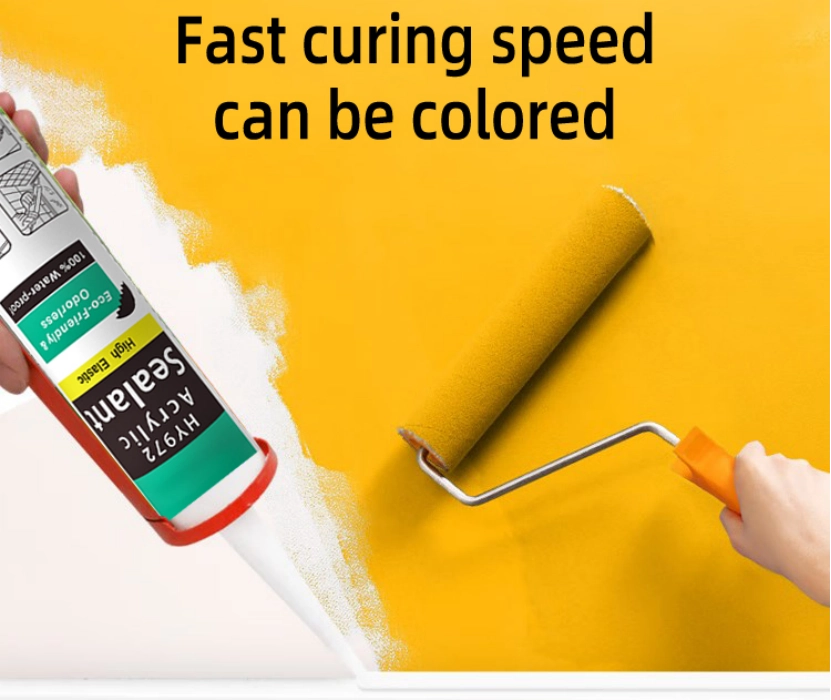
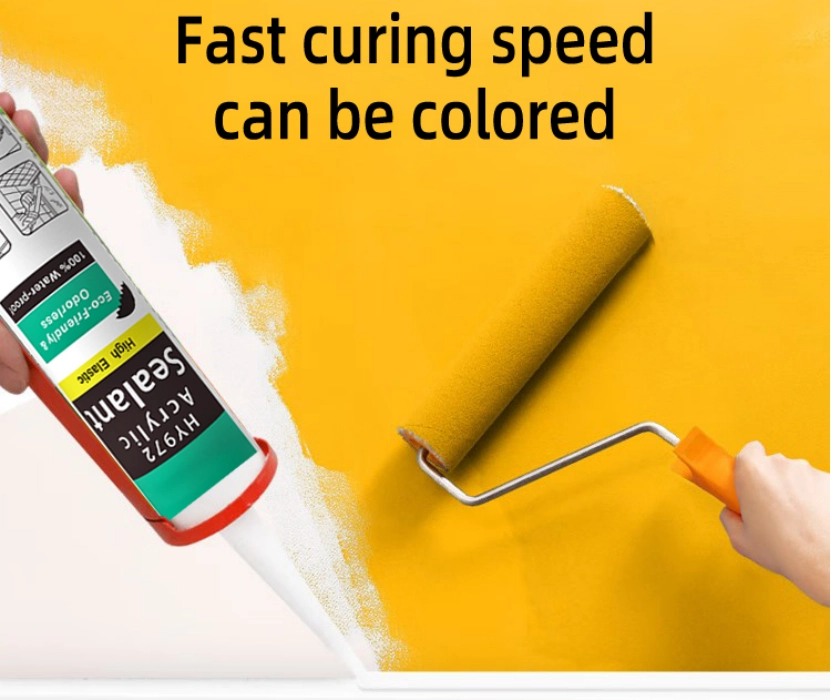
A freshly sealed joint may look great, but when you try to paint over silicone, trouble kicks in. Paint balls up, slips away, and won’t hold on. The fact is clear: regular silicone can’t get painted well—no matter how many layers you add.
Can You Really Paint Silicone?
The Direct Answer: No
Silicone creates a bendy, smooth rubber layer that fights paint sticking. Silicone sealant starts as a thick paste. It turns hard into a strong, rubbery material when it meets damp air. Once set, it pushes away water and stays steady in chemicals. This means paint just can’t grab onto it. That’s why experts pick “paintable” options for ending trim work or sealing before a paint job.
What is “Paintable Silicone”?
This name often mixes up home fixers and some builders too. “Paintable silicone” isn’t real silicone at all. These items are really:
- Hybrid/MS Polymer sealants
- Siliconized acrylic formulations
- Advanced polymer blends
Each one mixes bendiness with a top layer setup that lets paint stick right after it sets. Kingdeli, a long-established sealant supplier based in Foshan, offers a wide range of polymer-based sealants for indoor and outdoor construction applications. Since 1998, the company has focused on adhesives and maintains strict quality control from raw materials to finished products.
Types of Paintable Sealants
Picking the best kind rests on your work spot—inside or out. It also rests on how much toughness or bend you want.
Siliconized Acrylic Latex Sealant
This mixed kind blends acrylic latex with a bit of silicone to boost bend. It’s great for inside edges, floor boards, and top molds where small shifts happen but bad weather stays away.
HY-972 High Elastic Acrylic Silicone Sealant is a versatile, environmentally friendly acrylic sealant for all purpose caulking and sealing applications.It is paintable and has good adhesion to most porous surfaces. It also gives low VOC rules and simple wash with water—two key pluses for indoor tasks next to old silicones that need strong cleaners.
Advantages:
- Paints adhere evenly once cured.
- Easy tooling and cleanup with water.
- Minimal odor during application.
Hybrid MS Polymer Sealant
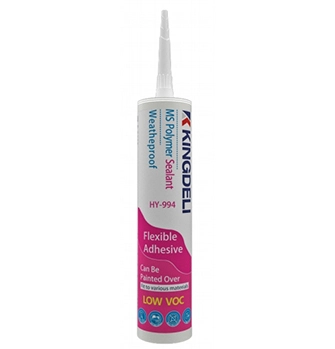
For outside gaps hit by sun rays or heat changes, hybrid MS polymer sealants beat acrylic ones. HY-994 All Purpose MS Polymer Sealant is a single-component,high-performance sealant based on advanced MS Polymer technology.It is solvent,silicone and isocyanate free.It is excellent in UV,weather and temperature resistance. These sealants keep their stretch all year. At the same time, they give firm hold to glass, metal, concrete, or wood.
Durability benefits include:
- Excellent UV resistance for outdoor use.
- Long-lasting waterproof performance.
- Can be painted over without cracking or peeling.
Selecting the Right Paintable Sealant
Before you pick up a tube from the rack, think about what traits count most for your task.
Key Features to Consider
Flex that stops cracks makes sure gaps don’t break from push by season swells or shakes. Seek items marked “high elastic” or “low modulus.” Check the time till paint ready too. Some acrylic kinds let you paint in an hour. Others need a full day to set, based on wet air.
| Feature | Why It Matters | Typical Range |
| Flexibility (modulus) | Prevents cracking due to movement | Low–medium |
| Paint-ready time | Determines workflow speed | 1–24 hours |
| VOC level | Affects indoor air quality | Low preferred |
Environmental Considerations
Outside uses need steady hold against sun and weather hits. HY-993 High Strength Ms Polymer Adhesive is suitable for many construction,industrial,marine and automotive application. Its low VOC amount makes it kind to nature too. While it does that, it holds strong under wet spots—a mix not many stuff can do.
Top Recommendations for Paintable Sealants
Best Interior Sealant Options
Acrylic silicone sealants like Kingdeli HY‑972 or HY‑973 give even ends around doors, cupboards, and roofs. They stick well to rough spots like wall boards and wood edges. And they keep enough bend to skip tiny breaks after paint.
Best Exterior Sealant Options
For window ledges or wall joins out in sun and rain, hybrid MS polymer mixes like Kingdeli HY‑994 bring top toughness. Their guard against weather holds seals firm even from -40 °C to +100 °C once set.
Kingdeli’s production facility covers more than 66 000 m² in Foshan with an annual output exceeding 60 000 tons—an indicator of its deep technical capability in adhesive manufacturing rather than mere scale.
Application Techniques for Seamless Seals
Even top stuff flops if put on bad. Good setup makes sure hold lasts and lines stay neat after paint.
Preparing the Surface Properly
Take off dust, oil, or old fill with a tool or light cleaner if you must. Make the spot fully dry. Wet can mess with sticking, specially on rough stuff like cement or wall board.
Applying the Sealant Correctly
Cut the tip at a 45-degree slant to fit gap size. Push even along the gap. This makes a slim steady line with no breaks or air pockets.
Achieving a Professional Finish
Smooth the line right away with a wet finger or tool before skin starts—often in minutes for acrylic kinds. Even edges not just look nicer but stop dirt build up down the road.
Common Questions About Paintable Sealants
Painting Over Caulk
How long till you paint? Most acrylic items say from one hour to a day, based on damp levels. Always look at maker notes on the tube tag.
Compatibility with Different Surfaces
Can you put paintable fill in wet spots like baths? Mostly no—acrylic latex kinds get soft from steady wet. Use neutral-cure silicone made just for clean spots instead. HY-722 Sanitary Silicone Sealant is well-suited for use in damp areas such as toilets and kitchens where fungal growth on sealants are prevalent.
Paintable sealants link looks with work when picked smart: acrylics shine inside where looks matter big; hybrids rule outside where lasting counts. If sealing base boards or outer frames, knowing what’s in each tube—the polymer mix itself—is what splits a perfect end from one that flakes off after the first paint layer sets.