
Why Black Caulk is the Designer’s Secret for a High-End Look
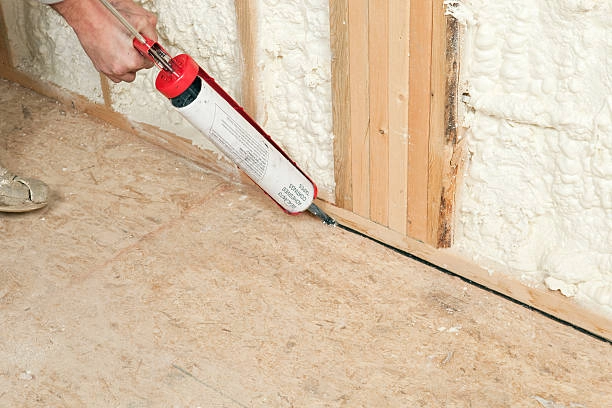
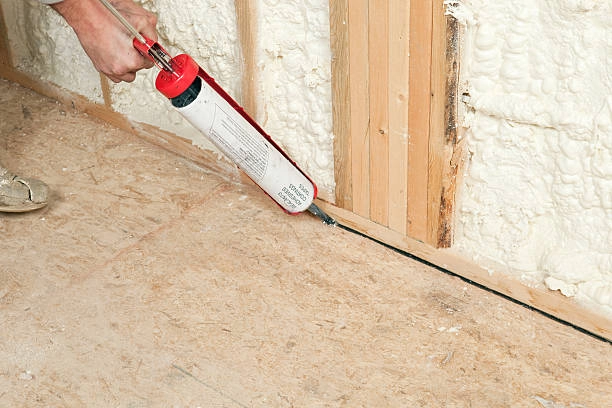
A perfect finish isn’t only about the paint or tiles. It’s about the small things that connect it all. Black caulk is like a designer’s hidden tool. It gives style and real strength. The stuff frames rooms exactly right. It brings in visual layers. And it holds up against damage better than light sealants. If you’re closing up a shower or marking a kitchen backsplash, black caulk gives strong contrast and performance that lasts.
The Bold Choice for a Flawless Finish
Before we look at product details, think about why black caulk stands out. It’s a design pick that does more than just work.
Enhancing Aesthetics with Black Caulk
Black caulk gives a smooth, up-to-date look. This matches well with factory-style and fresh home insides. It goes nicely with stuff like marble, tile, and stainless steel. So it makes neat lines that seem planned, not just useful. Designers pick black decorators caulk a lot. They use it to point out shapes. And they keep things matching over various surfaces.
Creating Visual Interest and Depth
If you use black silicone sealant in a good spot, it can change plain walls into stacked designs. The dark color points out building parts like window edges or tile gaps. It adds layers and a nice feel. When next to light walls or tiles, black caulk makes a clear outline. This improves the shapes without filling up the room too much.
Why Black Caulk is So Popular: Key Design Reasons
Black caulk isn’t only for looks. It’s also exact work for today’s rooms.
Creating Striking Contrast
Difference is a top tool in design. Black caulk makes light tiles and parts stand out. It does this by drawing sharp lines around their sides. It sets lines and forms in ways that white or see-through sealants can’t do. Take white subway tiles with black grout or sealant. That mix makes a lasting black-and-white style. It seems old-school yet sharp.
Defining Spaces with Precision
In big open room plans, black decorators caulk marks areas in a soft but good way. It draws around spots like kitchen tops or bath surrounds. This makes sight lines without real walls. That feeling of order clears up rooms that do many jobs. Here, movement counts as much as looks.
Practicality and Versatility of Black Caulk
Besides how it looks, black silicone sealant is great at lasting. It’s built to fight color fade and marks better than light kinds. So it’s perfect for busy spots or places with water. Since it stays bendy with temp changes, it works just as well for inside edges and outside joins.
HY-2300 Outdoor Neutral Silicone Sealant is suitable for a wide range of glazing and weatherproofing, exhibiting excellent weatherproof and anti-aging properties. This makes it perfect for outdoor applications where UV exposure and temperature shifts are constant challenges.
Inspiration Gallery: Where to Use Black Caulk for Maximum Impact
Let’s check out some everyday examples. In them, black caulk turns normal setups into big designs.
The Modern Bathroom
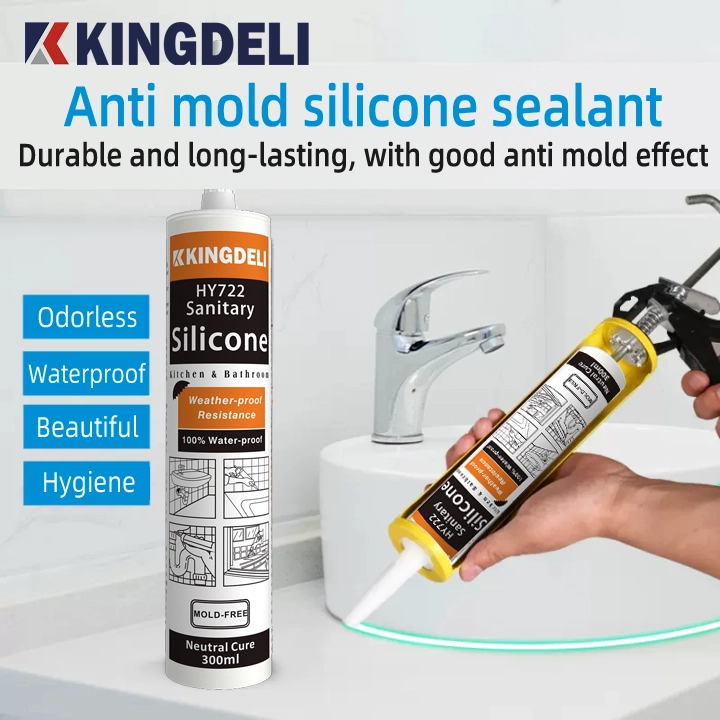
In baths, black sanitary silicone makes sharp lines around sinks, tubs, and shower glass. HY-722 Sanitary Silicone Sealant is well-suited for use in damp areas such as toilets and kitchens where fungal growth on sealants are prevalent. Its anti-fungus formulation ensures lasting cleanliness while maintaining that polished dark finish designers love.
The Statement Kitchen
Kitchens gain a ton from line details. Put black silicone between tops and wall tiles. It points up edges. It covers small setup flaws too. It matches great with steel machines. So it gives a matching factory feel that seems on purpose, not by chance.
The Dramatic Exterior
On outside parts, lasting meets design thrill. HY-3300 Weatherproof Neutral Silicone Sealant is 100% silicone; durable flexible; excellent water resistant, UV resistance and weather resistant. This ensures long-term protection around windows, doors, gutters, or even decorative facades—all while providing sleek visual continuity against brick or stonework.
The Critical Choice: Silicone vs. “Painter’s Caulk”
Choosing between silicone and acrylic (painter’s) caulks depends entirely on where you’re applying them.
For Wet Areas: 100% Black Silicone is Essential
Bathrooms, kitchens, and laundry rooms demand full waterproofing capability. HY-722 Sanitary Silicone Sealant cures to extremely tough elastomeric rubber; excellent weathering resistance; excellent anti-fungus and aging resistance. Its flexibility prevents cracking under humidity changes—essential for showers or sinks constantly exposed to moisture.
For Dry Interior Trim: Black Paintable Acrylic Caulk
When sealing baseboards or crown moldings indoors, paintable acrylic caulks like HY-972 High Elastic Acrylic Silicone Sealant is paintable and has good adhesion to most porous surfaces. They allow seamless color blending after painting while still offering solid adhesion on wood or plaster surfaces.
| Application Area | Recommended Type | Example Product |
| Shower & Sink | 100% Silicone | HY-722 Sanitary Silicone |
| Windows & Exteriors | Weatherproof Silicone | HY-3300 Exterior Weather Seal |
| Decorative Trim | Acrylic (Paintable) | HY-972 Acrylic Sealant |
The Finishing Touch: Matte Black vs. Standard Black
The finish you choose affects not only appearance but also how light interacts with your surfaces.
Matte Black: The Contemporary Choice
Matte finishes are quiet but strong—they absorb light rather than reflect it. Perfect for simple room setups where less shine counts (like bright bathrooms), matte black silicone delivers quiet grace that goes with natural stuff such as stone or concrete.
Standard (Gloss/Satin) Black: The Classic Option
Shiny finishes bounce back more light. They give edges a bit clearer look—good for old-style rooms that need extra light match near dark stuff like granite tops or metal frames.
Our Recommended Solutions for a Perfect Black Seal
For professionals seeking reliable performance alongside aesthetic value:
- Best for Bathrooms & Kitchens: HY-722 Sanitary Silicone Sealant is designed specifically for wet environments.
- Best for Windows & Exteriors: HY-3300 Weatherproof Neutral Silicone Sealant formulated to withstand outdoor conditions.
Both products come in multiple packaging sizes—280ml cartridges up to 600ml foils—ensuring convenience whether you’re tackling small renovations or large-scale projects.
Pro Tips for Applying Black Caulk
Even the best product needs proper technique to shine:
Using Painter’s Tape
Apply painter’s tape along both sides of the joint before caulking—it ensures straight lines and prevents smudging on adjacent surfaces.
Tooling with the Right Technique
Smooth the bead immediately using a finishing tool or damp finger before skin formation begins; this enhances adhesion while creating an even surface texture.
Clean Up Immediately
Wipe off excess residue promptly using mild solvents or water (for acrylic types). Once cured, removal becomes significantly harder without damaging surrounding finishes.
Make a Bold Statement with the Perfect Seal
Black caulk shows that work doesn’t have to hurt beauty—it makes it better. From setting clear lines inside to guarding outside from tough weather, its range links real use with art. Kingdeli has spent over two decades perfecting solutions like these through continuous innovation in adhesives and sealants manufacturing in Foshan, China. Their products—from sanitary silicones to high-elastic acrylics—combine reliability with design precision so every project ends not just sealed but styled perfectly bold.
Black Caulk FAQ
Is black caulk harder to clean?
Not really—its darker pigment hides dirt better than white variants but should still be wiped regularly with mild detergent to maintain sheen.
Will black silicone stain my white tile?
Quality formulations like HY‑722 are non‑bleeding; test on an inconspicuous area first if unsure about porous materials.
Can you paint over black silicone?
Silicone itself isn’t paintable; instead use acrylic-based options such as HY‑972 if painting is required afterward.
Does black caulk cost more than white?
Slightly higher due to pigment concentration but differences are minimal considering longevity benefits.
How do I ensure color consistency across large projects?
Purchase all tubes from the same batch code when possible; mix small quantities together before application to maintain uniform tone throughout seams.