
Window & Door Sealant: The Professional Installation Guide
Temperature changes, surface differences, or bad joint setup—each can slowly ruin even the top window or door fitting. The secret to lasting results comes from knowing why sealants break down. It also means picking and using the best one for each situation.
Common Reasons for Sealant Failure
Sealant failure does not happen all at once. It often stems from a mix of weather strain, mismatched materials, or wrong use.
Thermal Movement and Its Impact on Joint Integrity
Materials in buildings grow and shrink as heat goes up and down. This action puts pressure on the sealant joint. After many cycles, the pulling and pushing can go beyond what the sealant can handle. For example, a 20 mm joint sealed with a 25-class product can move safely between 15 mm and 25 mm. But if heat growth goes over that, splits or sticking loss happen. Picking a strong-movement neutral silicone or MS polymer keeps stretchiness during weather shifts.
Adhesion Issues: Choosing the Right Sealant for the Substrate
Matching matters a lot. Silicone sticks well to glass, aluminum, and most stone surfaces. However, it does not grip oily wood or polyethylene without a primer. Using an acetic silicone on metal frames might lead to rust. So, neutral-cure types work better for windows and doors. When you deal with painted or mixed surfaces, always do sticking tests.
Incorrect Joint Geometry: Understanding Three‑Sided Adhesion
Three‑sided adhesion occurs when sealant sticks to both sides of a joint and its base (often due to missing backing rod). This restricts movement and leads to tearing under stress. To prevent this, use a proper backing rod so the sealant bonds only to two sides, allowing free expansion in the middle.
Selecting the Right Sealant Type for Exposure Conditions
Exterior joints face UV rays, rain, temperature swings, and sometimes chemical pollutants. Indoor joints experience less movement but may need paintability. Using an outdoor silicone sealant with proven weather resistance prevents premature aging. The primary function of structural sealant is bonding—adhering one material to another by harnessing the adhesive strength of the sealant. Weatherproofing sealant, conversely, is primarily used for sealing curtain wall joints to ensure the airtightness and watertightness of the curtain wall system. Choosing incorrectly—such as applying acrylic indoors on exterior frames—leads to cracking and water ingress.
Overview of Sealant Types for Windows and Doors
Each sealant chemistry serves distinct purposes depending on exposure level and substrate type.
Neutral‑Cure Silicone: A Standard Option
Neutral silicones are non‑corrosive and low odor. Ideal for perimeter sealing of windows, aluminum frames into masonry, or indoor glazing where durability matters.
High‑Movement Neutral Silicone for Facades and Large Applications
High modulus versions like HY‑3300 endure wide temperature ranges from −50 °C to +200 °C while maintaining flexibility. They’re suited for curtain walls or structural joints subject to strong wind loads.
MS Polymer as a Paintable Professional Alternative
MS polymers combine silicone’s flexibility with polyurethane’s paintability—perfect where aesthetics matter. Use them when post‑painting is required around timber trims or colored façades.
Acrylic Sealants: For Interior Decorative Use Only
Acrylics such as HY‑972 are water based and easy to clean up but not UV stable. Restrict them to interior decorative joints like skirting boards or drywall seams rather than outdoor use.
Choosing the Right Product for Different Application Scenarios
Proper selection depends on frame material and environmental exposure.
| Application Scenario | Recommended Type | Key Features |
| Standard residential windows (aluminum/PVC) | Neutral silicone | Non‑corrosive, flexible |
| Renovation & replacement windows | MS polymer | Paintable & primerless |
| Timber window frames | MS polymer / polyurethane | Handles wood movement |
| Curtain wall & structural glazing | Structural silicone | High strength & weatherproof |
| Prefabricated construction frames | MS polymer | Bonds diverse materials |
Designing Joints Correctly: Key Considerations
Before applying any sealant, ensure joint design supports expected movement.
Understanding Width‑to‑Depth Ratios
A typical ratio of 2:1 (width twice depth) ensures balanced stress distribution during expansion or compression.
Minimum and Maximum Joint Dimensions
For façade joints wider than 20 mm, select high-movement products rated ±35 % or more; narrow gaps under 6 mm risk insufficient adhesion area.
Backing Rod Specifications
Closed-cell polyethylene rods prevent three-sided adhesion while setting correct depth. They also help control sealant volume consumption efficiently.
Designing Joints to Accommodate Movement
Include allowance for thermal expansion of aluminum profiles or PVC deformation under sunlight—especially important in dark-colored frames that heat up quickly.
Preparing Surfaces for Optimal Sealant Performance
Clean all substrates thoroughly—remove dust, oil, old residue—and ensure surfaces are dry before sealing. For porous masonry or timber, apply primer if recommended by manufacturer.
Kingdeli Products Suitable for Window and Door Sealing
Kingdeli offers several specialized products covering every installation scenario:
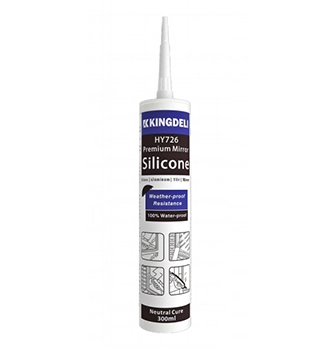
- HY-726: Premium neutral silicone providing strong adhesion across glass, aluminum, tile.
- HY‑3300: Facade-grade silicone formulated for high movement.
- HY-994: All-weather MS polymer combining flexibility with paintability.
- HY-972: Paintable acrylic suited exclusively for interior decorative joints.Kingdeli’s years of skill in making top adhesives give steady quality. This covers neutral silicones, polyurethane caulk for windows, outdoor acrylic sealer choices like MS polymers, and structural glazing setups. All follow strict ISO-certified checks from start to end. For builders wanting strong sealing that mixes bend with safe use around nature, Kingdeli stays a reliable teammate. They bring solid work worldwide.
Detailed Application Process
Proper technique determines long-term reliability more than product choice alone.
Preparing the Joint
Remove loose material; insert backing rod at correct depth; mask edges neatly with tape if appearance matters.
Applying the Sealant
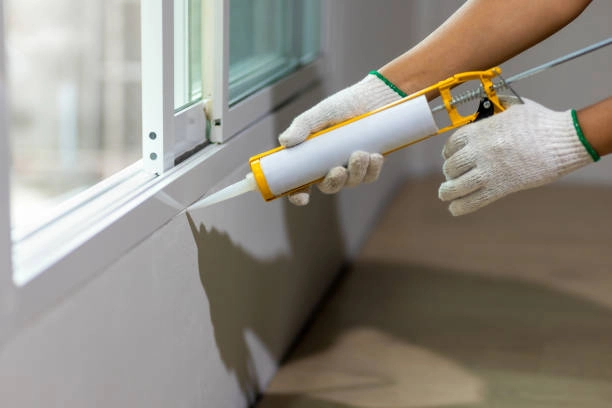
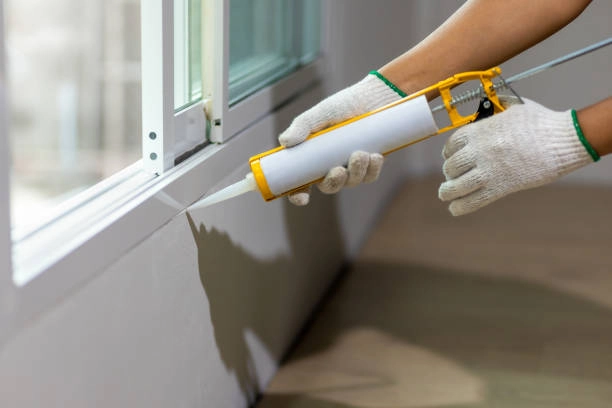
Cut nozzle at an angle matching joint width; apply continuous bead using steady pressure ensuring full contact with both sides of joint walls.
Tooling the Bead
Smooth within five minutes using spatula dipped in mild soapy water; tooling compacts sealant against surfaces eliminating voids that trap moisture.
Allowing the Sealant to Cure
Curing varies with wetness and heat. Single-component silicones skin in hours. They get full strength after days in normal room setup.
Frequently Asked Questions About Window & Door Sealants
Q1: Can I paint over all types of sealants?
Only MS polymer or acrylic types allow painting once cured; silicones generally resist paint adhesion.
Q2: What’s better outdoors—acrylic sealer or silicone?
Always choose an outdoor silicone sealant because acrylics lose elasticity under UV exposure. For extreme climates consider hybrid MS polymers labeled “all-weather.”
Q3: How long do professional-grade silicones last?
Good neutral silicones like those checked under ASTM C920 keep working between -50 °C and +150 °C after set. When used right, they last a decade or more in usual conditions, per product sheets.