
Adhesion vs. Cohesion: Industrial Sealant Performance
Introduction
Sealants are like silent champs in places like building sites, car shops, and tech labs. They keep water out, hold stuff together, and tough out harsh weather. What makes a sealant do its job right? It’s mostly about two things: adhesion and cohesion. These forces decide if a sealant sticks to surfaces and stays solid inside.
What Are Adhesion and Cohesion?
What is Adhesion
Adhesion is what makes a sealant cling to things like concrete, glass, or metal. It’s why sealants stay stuck on stuff like window frames or car parts. Things like the kind of surface, how clean it is, wetness, or heat can mess with adhesion. For example, a dirty or damp surface can make the sealant peel off over time. Neutral silicone sealants grab on tight, so they’re perfect for tricky spots like windows or roofs, where weather and movement are a big deal.
What is Cohesion
Cohesion is about a sealant holding itself together. It stops the sealant from tearing apart when it’s pulled or squished. A sealant with strong cohesion can deal with movement, like in road joints or building fronts. The mix, how it dries, and how it ages change cohesion. For instance, polyurethane sealants, used in Brazilian buildings since the 1980s, spring back well and don’t rip easily. They’re great for busy spots like sidewalks or factory floors.
Adhesion vs. Cohesion in Industrial Sealants
Why Both Matter
Adhesion and cohesion work together to make a sealant do its job. If adhesion’s weak, the sealant pulls off surfaces, letting water leak or parts break. If cohesion’s not good, the sealant splits inside, especially in places that move a lot. Getting both right keeps things working for a long time. For example, silicone sealants are awesome in wet spots like bathrooms because they stick well and stay stretchy. Polyurethane sealants are better for places with lots of foot traffic since they can handle wear.
Industry Examples
In construction, silicone sealants go on window frames and concrete joints. They fight off water and deal with hot or cold days. In cars, silicone seals engine gaskets and battery bits in electric vehicles, making things safer and better. Gadgets use silicone for waterproof seals and to keep heat in check for things like smartwatches. Polyurethane sealants are great for joints in malls or airports, where they take on movement and wear. Using the wrong sealant, like silicone caulk on a busy floor, can mean big repair bills.
Factors Affecting Sealant Performance
Surface Preparation
A sealant’s only as good as the surface it’s on. Dirt, grease, or water can wreck how it sticks. Cleaning, sanding, or using a primer helps a ton. For instance, silicone sealants need a clean, dry surface to hold on tight, especially outside where sun and rain hit.
Environmental Conditions
Weather like heat, humidity, or chemicals can change how sealants work. Silicone sealants handle wild heat and sun well, so they’re great for outdoor jobs. Polyurethane sealants don’t do well on wet surfaces and can’t take super high heat. In damp places, drying times can vary, silicone sealants might take 24 hours or even days to set, depending on how thick they are and how much air gets to them.
Material Selection
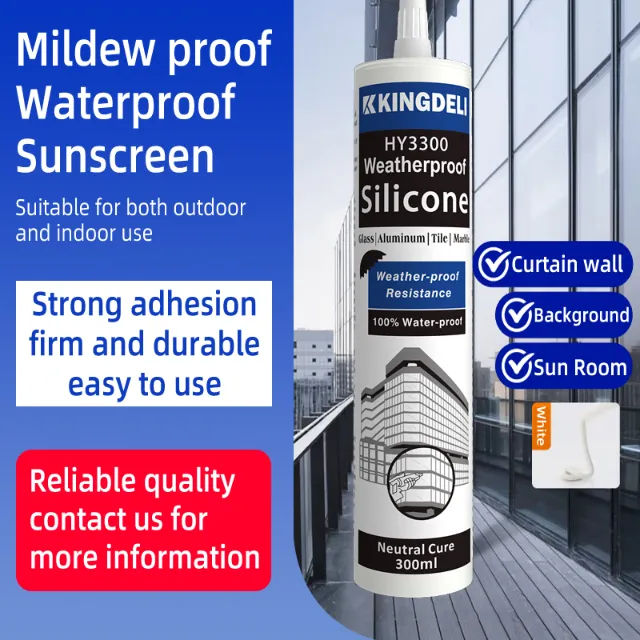
Different sealants fit different jobs. Kingdeli’s silicone sealants are stretchy and strong, great for construction or gadgets. Polyurethane sealants cost less and can be painted, so they’re good for floors or building fronts. Silicone caulk, often mixed with latex or acrylic, is easy to slap on and paint but not as tough in wet or moving spots. New stuff, like bio based silicones or uses in 3D printing, brings green choices for eco friendly projects.
Testing Adhesion and Cohesion
Laboratory Methods
Tests make sure sealants can handle tough jobs. Tensile tests check how much force a sealant can take before it breaks. Shear tests see if it holds when surfaces slide. Peel tests, like those showing silicone sealants hitting 20 psi peel strength after 72 hours on glass or metal, check how well it sticks. These tests help companies like Kingdeli tweak their products for certain tasks.
Field Performance Checks
Testing in the real world matters just as much. Try putting sealant on a small spot and check if it cracks, peels, or leaks after weather or stress hits. For example, polyurethane sealants in highway joints get tested for wear under big trucks.
Interpreting Test Results
Test numbers help pick the right sealant. High peel strength means it sticks well. Good spring back shows strong cohesion. Matching these to what a job needs, like picking a sealant that won’t tear in moving joints, makes things work out.
Tips for Optimizing Sealant Performance
Pick the right sealant first. Silicone sealants rock in wet, moving spots. Polyurethane sealants are great for heavy traffic areas. Put them on right, don’t do it when it’s too wet or hot. Silicone sealants might take days to dry if you use a lot, so be patient. Check for cracks or wear now and then to keep things lasting. Safety and green choices are a big deal too. Eco friendly stuff, like bio based silicones, fits what people want these days. Kingdeli’s got lots of sealants for these needs, plus folks to help you figure it out.
Conclusion
Adhesion and cohesion are what make sealants work. Good adhesion keeps them stuck to surfaces. Strong cohesion stops them from breaking apart. Picking the right sealant, silicone for stretch or polyurethane for toughness, can make or break a job. With good prep, careful putting on, and regular checks, sealants last longer. Kingdeli’s awesome sealants and know how help projects, from building sites to car shops, get it done right. Check out Kingdeli’s stuff and advice for more help.
FAQ
Q1: What’s the difference between silicone sealant and silicone caulk?
Silicone sealant is usually pure silicone, sticking great and staying bendy for tough jobs like windows or bathrooms. Silicone caulk, mixed with latex or acrylic, is easier to use and paint but not as strong in wet or moving spots.
Q2: Can polyurethane sealants be used outdoors?
Yup, but they work best on dry surfaces and don’t handle crazy heat well. Silicone sealants are often better for outdoor spots with wild weather.
Q3: How long do sealants last?
Once they’re set, silicone sealants can last years, especially in wet places. Polyurethane sealants hold up in busy spots but might need repainting or replacing sooner in tough conditions.
Q4: Why is surface preparation so important?
Dirt, grease, or water can mess up how a sealant sticks, making it fail. Cleaning and priming help silicone sealants grab on tight, especially outdoors.
Q5: Where can I find reliable sealants?
Kingdeli’s got a bunch of silicone and polyurethane sealants for big jobs. Hit up their website for products and expert help.