
When to Use Black Silicone: A Pro’s Guide for Automotive, Marine, and Construction
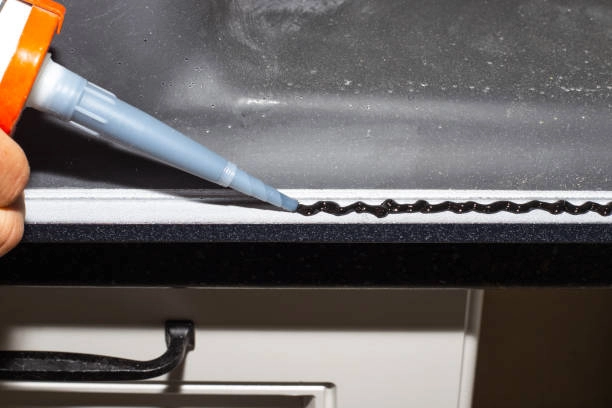
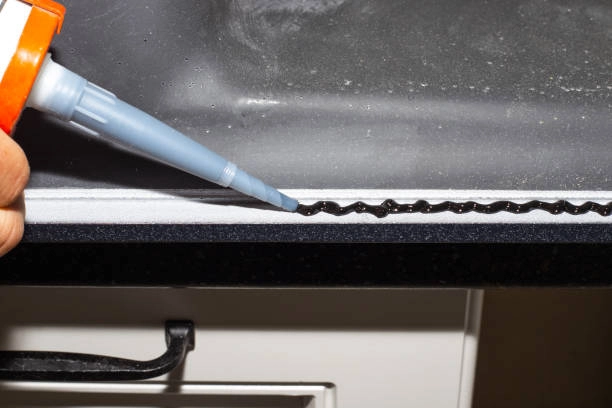
When experts need a sealant that holds up well under tough conditions—such as in an engine compartment, on a boat deck, or around outdoor joints—they frequently pick black silicone. Its deep color masks flaws effectively. At the same time, its strong resistance to chemicals and ability to stay flexible make it vital in many fields. The trick lies in figuring out the best times and methods to apply it in various settings.
Why Professionals Choose Black Silicone
Experts value black silicone for its neat look and toughness. It sticks firmly to metals, glass, and plastics. Plus, it keeps its bendiness during shakes or heat changes. The dark shade covers dirt and stains nicely. This works great in spots where seals show up, like car engines or building fronts.
Key Properties That Set Black Silicone Apart
The real edge of black silicone over basic sealants comes from its top-notch traits:
- Great defense against heat and chemicals keeps it dependable in rough spots.
- Waterproof qualities secure seals over time, even in wet or soaked areas.
- It works well with many surfaces—from aluminum to painted ones—which eases jobs across different materials.
Automotive Applications of Black Silicone Sealant
Mechanics and car fans both rely on black RTV (Room Temperature Vulcanizing) silicone as a key item.
The Role of Black RTV Silicone in Vehicle Maintenance
RTV gasket makers form seals that handle oil contact and intense heat without breaking. People use them on valve covers, oil pans, thermostat housings, and water pumps. These spots need exact sealing to stop fluid leaks or pressure drops.
HY-939 Neutral RTV Gasket Maker is a single component, neutral cure, highly flexible adhesive cure by atmospheric moisture. It is resistant to oil, sewage, antifreeze and automatic gear oil. It features fast curing, sensor safe, low odor and non-corrosive. These mixes let mechanics swap out old paper gaskets for sturdier choices. Such options flex well under pressure.
Choosing the Right Automotive Silicone Sealant
When you pick an automotive-grade item:
- Check that the label mentions “RTV” curing tech.
- Confirm it stands up to engine fluids like oil or coolant.
- Stick to the curing steps before putting things back together. This avoids leaks.
For hot areas like exhaust systems or turbo housings, Kingdeli’s HY-949 Acetic Acid RTV sealant can withstand repeated stretching and compression during use, and exhibits excellent resistance to aging, shrinkage, cracking, and discoloration. This shows the strength required in tough mechanical setups.
Marine Uses of Black Silicone Sealant
Shifting from engines to the sea brings fresh hurdles—like salt spray, strong UV rays, and ongoing motion.
Why Marine Environments Require Specialized Sealants
In marine settings, black silicone needs to fight saltwater rust while holding its stretch under shakes. It guards metal parts from corrosion. It also keeps deck joints dry tight, even as the boat bends with the waves.
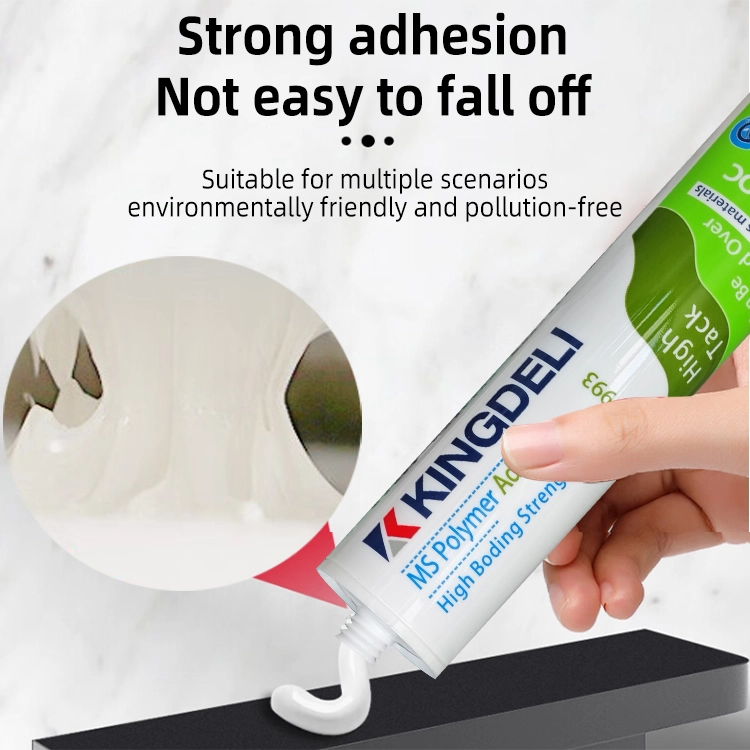
HY-993 High Strength MS Polymer Sealant is suitable for many construction, industrial, marine and automotive application. Its primer-free adhesion on most substrates makes it suitable for both above-waterline fixtures and interior cabin sealing.
Best Practices for Using Marine Silicone Sealant
To get results that last:
- Clean surfaces well. Get rid of salt buildup or old sealant.
- Put it on smoothly with even force.
- Let it cure fully before water hits the sealed parts.Check things every few months. This spots wear early and stops leaks.
Construction and Exterior Applications of Black Silicone Sealant
Outside of cars or boats, black silicone serves a big part in today’s building designs. There, looks pair with lasting strength.
Enhancing Durability in Outdoor Projects
Joints outside around windows or curtain walls demand solid protection from rain and sun. HY-763 silicone sealant is non-corrosive and non-polluting to most marble, granite, and concrete. It also boasts excellent weather resistance, mildew resistance, and aging resistance. These traits make black types ideal for outdoor walls that face steady temp swings.
It stays stretchy through warm summers or cold winters. It won’t crack. This suits sealing expansion joints or wall panels open to wind forces.
Aesthetic Benefits in Modern Architecture
Designers like how black silicone fits with dark schemes, such as colored glass or treated aluminum frames. It hides marks better than light sealants. Plus, it gives a sharp edge along seen lines. That little touch boosts the whole build quality.
Comparing Automotive RTV vs. Exterior Silicone Sealants
Grasping the differences in makeups helps you choose right for any task.
| Property | Automotive RTV | Exterior/Construction |
| Curing Method | Chemical (vulcanizing) | Moisture-curing |
| Key Resistance | Oil & high heat | UV & weatherproofing |
| Typical Use | Engines & machinery | Windows & façades |
Achieving a Professional Finish with Black Silicone Application Techniques
Top products can flop without good prep. The surface state counts as much as the choice of item.
Preparing Surfaces for Strong Adhesion
Wipe away all dirt like grease or dust with alcohol cleaners. Leftover bits cut down on bond power.
Applying with Precision for Clean Results
Tape off edges with masking tape before laying down the line. This keeps lines straight. Smooth it right away with a tool while it’s still wet. Once it sets, reshaping gets hard to do neatly.
Allowing Proper Curing Time
Makers give exact cure times—often 24–48 hours based on moisture in the air. Don’t touch moving parts in that window. Early strain might lead to air pockets or soft areas. Those could weaken the seal down the road.
Common Questions About Black Silicone Sealants
Is black silicone stronger than other colors?
Strength ties to the recipe, not the color. That said, black kinds usually have UV boosters that lift outdoor results.
Can black silicone be painted?
Most silicones push back against paint sticking because of their slick makeup. But hybrid polymers like MS sealants let you paint them if you need to match looks.
How long does it take to cure?
Normal cure takes 24–48 hours at room temp. Thicker lines might require more time before they harden fully.
Can automotive RTV be used outside vehicles?
You can use it, sure. However, long sun exposure might wear down some types without the UV guards in outdoor silicones.
Selecting the Right Product for Each Application Type
Picking smart cuts time and upkeep costs later on:
For Automotive Projects
Go for high-temp black automotive silicone sealant, such as HY-939 neutral RTV gasket adhesive, which is resistant to oil, sewage, and antifreeze.
For Marine Environments
Choose marine silicone sealant built to beat saltwater rust—for example, hybrid MS polymer types with no-primer stick on wet surfaces.
For Construction Work
Grab black silicone sealant marked as weather-tough, such as HY-3300 Weatherproof Neutral Silicone Sealant. Excellent water resistant,UV resistance,and weather resistant. It fits facades open to sun or rain all year.
Whether you seal an engine block or lock glass panels from heavy rains—the proper black silicone fills gaps well. It builds trust across fields.