
The Best Exterior Caulk of 2026: A Pro’s Guide to a Permanent Seal
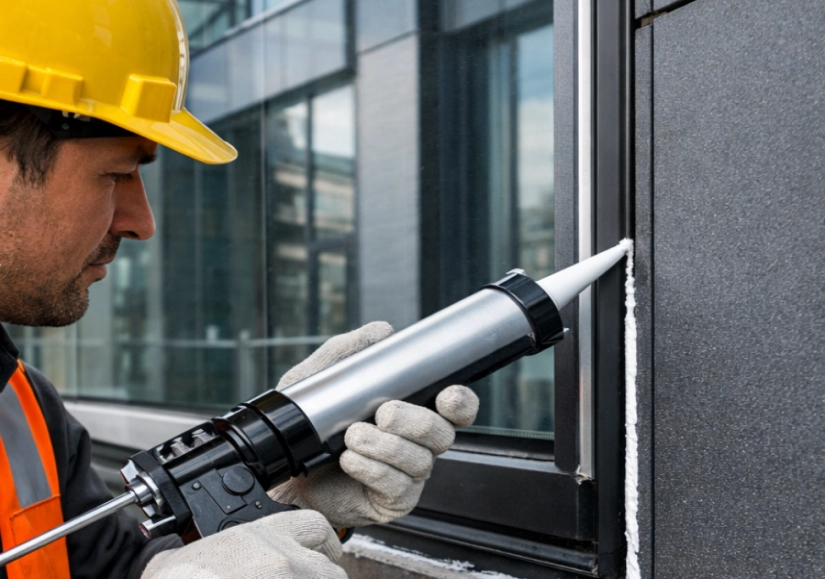
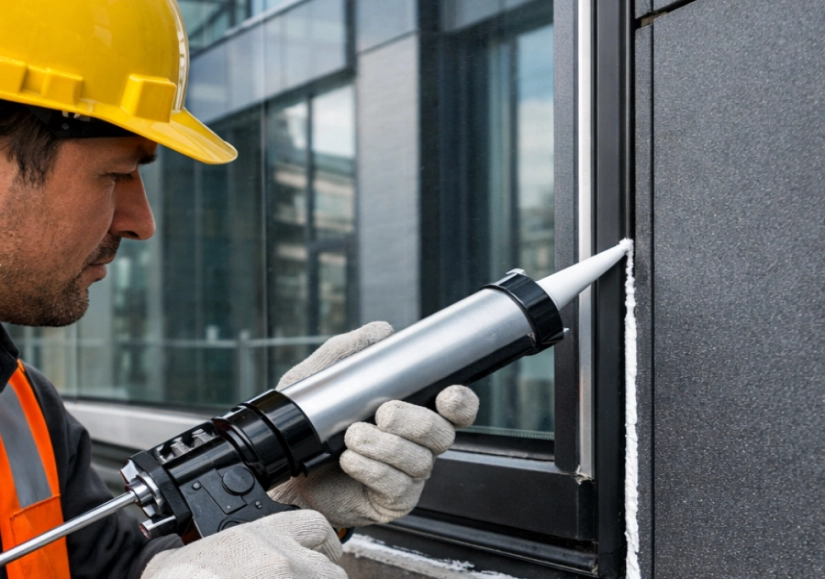
A building’s exterior is its first line of defense against the elements. The quality of its sealant decides how well it holds up over time. Picking the proper exterior sealant is not just about filling gaps. It is about making sure of long-term protection, good looks, and solid safety. From facades to windows and roofs, every joint needs a custom fix. This fix should mix bendiness, sticking power, and resistance to weather.
What Is Exterior Caulk and Why It Matters
Exterior sealant is a bendy sealing mix used to fill joints or gaps between building parts. Its chief goal is to stop air and water from getting into the structure. In today’s building designs, people put sealants around windows, doors, facades, expansion joints, and trim work. They do this to boost both function and style. This feature lets them create a steady barrier. That barrier fights off leaks and drafts. At the same time, it handles heat changes.
The Importance of Choosing the Right Sealant for Longevity
Different surfaces—like glass, concrete, aluminum, or stone—need matching sealants for good sticking. How well materials match affects how long a seal stays before it peels or cracks. Things in the surroundings, such as UV light, heat shifts, and wetness, can wear down weak products as time goes on. So, a top-notch exterior sealant must give bendiness. Yet, it should not lose sticking or get hard under pressure. Mixing the ability to take paint with protection from weather makes sure it lasts through seasons.
Key Types of Exterior Caulk for 2026 Projects
The market has grown past old silicones. Builders in 2026 often pick mixed options. These options blend good points from various types.
100% Silicone Sealants
Silicone remains the gold standard for exterior applications exposed to sunlight and moisture. HY-3300 Weatherproof Neutral Silicone Sealant is a high modulus one-component, shelf-stable, neutral room temperature curing architectural grade sealant that exhibiting outstanding physical properties for project and general building construction.
It gives great UV resistance. Plus, it keeps lasting bendiness even in wild heat swings from -50 °C to +200 °C. These traits make silicone perfect for glass facades, aluminum panels, stone veneers, skylights, gutters, and roofing details. In these spots, paintability matters less. But keeping water out is key.
MS Polymer (Modified Silicone) Sealants
MS polymer technology blends silicone durability with polyurethane strength while remaining paintable. HY-994 All Purpose MS Polymer Sealant is a single-component high-performance sealant based on advanced MS Polymer technology. It is solvent,silicone and isocyanate free.It is excellent in UV,weather and temperature resistance.
This makes it suitable for diverse climates where expansion joints must move freely without cracking or discoloration. Because it adheres well to most substrates—metal, PVC, concrete—it’s widely used around windows, doors, siding panels, and facade joints.
Polyurethane Sealants
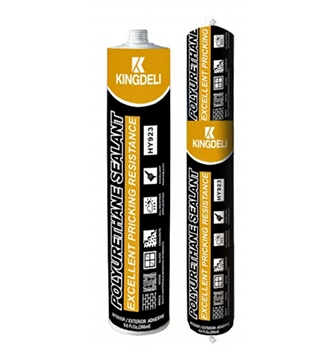
Polyurethane formulations deliver superior mechanical strength for structural sealing tasks. HY-923 Low Modulus Polyurethane Sealant for Construction is a one-component low modulus high displacement resistance flexible and durable sealant suitable for various joints sealing with movement requirement.
They resist abrasion and accommodate heavy movement in large concrete joints or precast panels but require precise surface preparation for optimal bonding. Their ability to be painted over makes them popular in visible architectural finishes.
Selecting the Right Exterior Sealant by Application Area
Each part of the building envelope has unique stresses—from structural loads on facades to thermal cycling at window perimeters.
Facade Sealants for Structural Protection
When picking facade sealants, think about joint width changes, surface type, needed movement (±25% or more), color steadiness under UV light, and fit with paints or wall covers. For curtain walls or precast concrete panels out in the sun all year, neutral-cure silicones like HY‑3300 give solid stretch without rust danger.
Window and Door Perimeter Sealing Solutions
Joints around frames can let air in if not sealed right. Bendy types like MS polymer or neutral silicone keep seals tight. They do this despite daily heat growth in glass and metal frames. Good tooling—smoothing with steady push—shapes an even bead. This boosts both looks and sticking strength.
Roofs, Gutters, and Expansion Joints Applications
Roofs face the toughest spots: UV rays, standing water, shakes from wind. Here, UV-steady silicones or polyurethane-based exterior sealants work best. They avoid cracks over time. Also, they let joints move from heat changes. Smart joint setup—with right depth-to-width balance—stops too much strain at sides.
Climate-Based Specification: Matching Sealants to Environments
Environmental adaptation ensures longevity across diverse geographic zones.
Hot and Humid Climates
In warm spots where dampness grows mold, mildew-proof silicone types like sanitary-grade HY‑722 are suggested. This is because HY-722 Sanitary Silicone Sealant is well-suited for use in damp areas such as toilets and kitchens where fungal growth on sealants are prevalent. Like anti-fungus parts help stop living breakdown on shore exteriors too.
Cold or Variable Temperature Regions
Cold areas need sealants that work in low heat. So, curing goes on even near freezing. Bendy mixes keep stretch through freeze-thaw shifts without shrinking. This is vital for north facade setups.
High UV or Coastal Exposure Zones
Shore buildings deal with two issues: salty air and strong sun. UV-steady silicones like HY‑2300 Outdoor Neutral Silicone Sealant shine here. This is because it exhibits excellent weatherproof and anti-aging properties; keep good performance between -50 °C~+150 °C after curing. Salt-proof sticking stops chalking or color loss seen in sea spots.
Professional Application Techniques for a Lasting Seal
Even fine products flop if put on wrong. Skill sets real lasting power.
Temperature & Humidity Considerations
Stick to suggested setup heats as listed in sheets like HY‑2100 General Use Neutral Silicone Sealant operates between 4 °C and 40 °C. High dampness speeds cure. Low dampness slows it. So, plan for season jobs.
Cutting & Tooling Techniques
Cut the nozzle at a 45° angle. Make it a bit smaller than joint width for even squeeze. Smooth right away with a spatula or gloved finger wet with light soap mix. This clears stuck air bubbles. It also shapes clean edges that help water flow off.
Kingdeli’s Expertise in Exterior Building Sealants
Transitioning from technique to technology leadership reveals how innovation drives reliability across projects worldwide.
Innovative R&D Driving Advanced Sealant Solutions
From the foundation in 1998 to now, Kingdeli has become a modern large scale sealant and adhesive manufacturer in Foshan China.And a leading adhesive R&D center for adhesive.The factory covers 66 000 square meters with annual output of 60 000 tons.
Our research emphasizes hybrid polymer chemistry combining environmental compliance (low VOC) with enhanced weatherproofing performance suitable for global climate diversity.
Global Supply Capabilities Supporting Construction Projects Worldwide
With over 10 years export experience,Kingdeli provide professional service to clients form oversea market.OEM and small quantity order are available.We pursuit long term business,and win-win relationship with customers.
Consistent quality control—from raw material inspection through final packaging—ensures each batch meets ASTM C920 standards demanded by international contractors.
Practical Tips from Professionals: Ensuring a Permanent Seal in 2026 Projects
Even experienced applicators sometimes overlook small details that lead to big failures later on.
Common Mistakes to Avoid During Application
- Overfilling joints can restrict natural movement causing cracks when materials expand.
- Underfilling leaves voids where moisture accumulates.
- Ignoring substrate movement capacity results in premature tearing along edges.
- Using incompatible cleaners may leave residues affecting cure adhesion balance.
Maintenance Recommendations After Installation
Regular inspections every two years help detect early signs of wear such as discoloration or micro-cracks before leaks develop. Cleaning dirt buildup prolongs elasticity since UV-exposed dust layers accelerate surface aging especially on south-facing elevations.
FAQs
Q1: What type of exterior sealant lasts longest outdoors?
100% silicone typically outlasts others due to superior UV stability and temperature tolerance ranging from -50 °C to +200 °C.
Q2: Can I paint over an exterior silicone caulk?
Most pure silicones aren’t paintable; choose an MS polymer or polyurethane-based product if painting is required.
Q3: How often should building joints be resealed?
Depending on exposure conditions and product quality—generally every 10–15 years with regular inspection intervals recommended every two years.
Q4: What causes exterior caulk failure?
Poor surface preparation, incompatible materials, incorrect joint sizing, or applying outside recommended temperature ranges commonly lead to premature failure.
Q5: Which sealant works best near coastal areas?
UV-stabilized neutral silicones designed with salt resistance perform best against marine corrosion while maintaining elasticity under constant sunlight exposure.