
Sealant Shelf Life: How Packaging and Storage Affect Inventory
Sealant shelf life is the stated period during which unopened material is expected to remain within specification when stored under the required conditions. It is not the same as the service life of a cured joint. When we help you plan an order, we look at the lot date, package format, transit time and warehouse conditions together, because the useful window is the time left when the material is ready for use—not simply the date printed on the carton.
How Sealant Shelf Life Is Defined
Shelf life describes how long an unopened product is expected to stay within its specified condition when stored as directed. It does not promise that an opened cartridge will remain usable for the same period, and it does not predict how many years a correctly installed joint will last outdoors.
When you read a lot date, check three things at the same time: the production or packaging-date convention, the exact package format and the required storage environment. If you are stocking HY-2100 neutral silicone sealant, use the shelf-life value for the package you are ordering instead of treating every silicone format as interchangeable. That distinction keeps an inventory calculation tied to the material you will actually receive.
For a distributor, the practical question is how much validated life remains when stock reaches the customer. Keeping that question separate from cured-joint durability makes purchasing and resale decisions more reliable.
Why Packaging Changes the Usable Window
Packaging is part of the preservation system. Moisture entry, a damaged closure or repeated heat cycles can shorten the usable window before the nominal date. Cartridges and aluminum-foil sausages also have different closure and dispensing conditions, so the same chemistry may carry different stated periods in different packs.
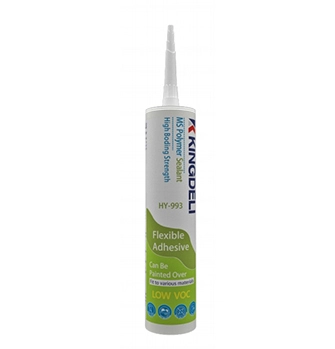
For HY-993 high-strength MS polymer adhesive/sealant, the cartridge and aluminum-foil formats create different planning windows:
| Package format | Shelf-life example | Inventory implication |
| 280/300 ml cartridge | 9 months | Fits a predictable near-term consumption plan |
| 500/600 ml aluminum foil | 12 months | Leaves a longer stated unopened window for the same product family |
These figures apply to the specified product and pack combination; they are not universal rules for every MS polymer or silicone. Check the lot documentation that travels with the shipment. If your customers consume cartridges steadily, a longer-life foil option is not automatically the better choice. A project team with compatible dispensing equipment may reduce waste by matching a larger pack to weekly consumption rather than choosing only on unit price.
Storage Conditions That Protect Remaining Shelf Life
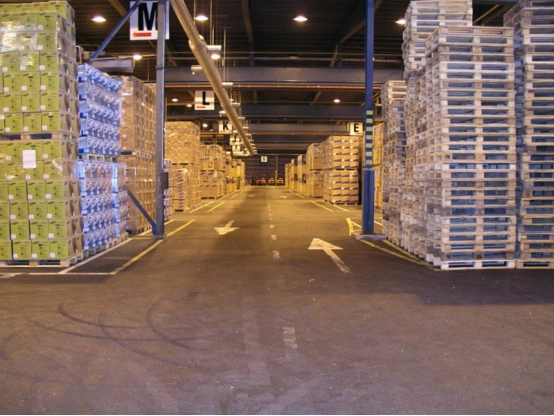
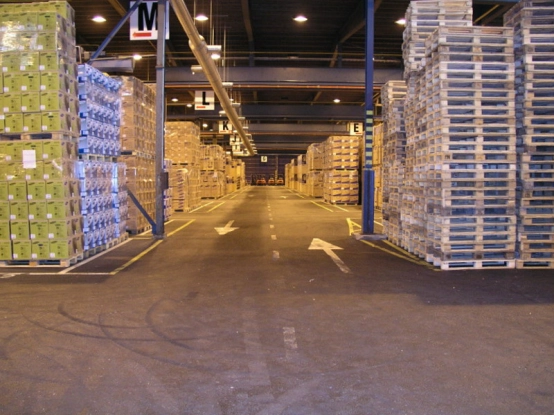
Storage cannot add time to the stated shelf life, but poor storage can use up the remaining window early or make material unsuitable before the date. Keep cartons away from direct sunlight, rain, condensation and avoidable temperature cycling. Place them on stable pallets instead of a damp floor, and isolate damaged cartons until their condition has been assessed.
Use the temperature and humidity limits supplied for the exact material. A generic warehouse target is not a substitute for a validated range. A cured-use temperature range, for instance, tells you about performance after installation; it does not authorize storing unopened stock at those temperatures.
Humidity control matters when a package relies on a moisture-sensitive barrier. Keep cartons closed during picking, record unusual heat or cold events and retain lot identity for traceability. First-expiry-first-out rotation helps older stock remain visible and reduces the chance that a newer lot is consumed first.
Planning Stock Rotation for Export Orders
Turn the printed shelf life into a remaining-life window before you commit to an export order:
Remaining planning window = stated shelf life − elapsed time before customer use
Count production-to-dispatch time, ocean or road transit, customs and receiving, plus a realistic buffer before installation or resale. If a shipment has a stated 9-month cartridge shelf life and six weeks pass before warehouse receipt, the nominal window at receipt is about 7.5 months. That is a planning example, not a guarantee for a particular lot.
Set the buffer from actual lane performance rather than an optimistic schedule. A seasonal distributor may need more protection than a factory that consumes the same material every week. Review slow-moving lots monthly, flag stock approaching its internal minimum and avoid mixing old and new lots so the older date remains visible.
When placing bulk silicone sealant orders, calculate quantity alongside consumption speed, package format and the time material will spend in the logistics chain.
When Shelf Life Data Should Change Your Product Choice
Shelf life should influence pack size and order cadence without overriding technical suitability. Irregular demand may favor smaller lots even at a higher unit price. Stable, high-volume use may favor a larger foil pack when equipment and application support it. Climate, project phasing and the cost of obsolete stock matter as well.
When you compare available sealant formats, match the chemistry and pack to the bond or sealing requirement first, then confirm the current data sheet for the exact code. The sound choice is the one that performs the required job and leaves a realistic consumption window after delivery.
FAQ
The questions below cover edge cases that can change an inventory decision.
Does Sealant Shelf Life Start at Manufacture or Delivery?
It normally starts from the production or packaging date recorded for the lot, not the delivery date. Confirm the date convention on the applicable data sheet or lot documentation before calculating the remaining window.
Is an Unopened Cartridge Still Usable After Its Date?
Do not assume it is acceptable. Ask us to review the lot, storage history and intended application before using out-of-date material. A visual inspection alone cannot validate performance.
Does Foil Packaging Always Have a Longer Shelf Life?
No. Package design can affect the stated window, but formulation, closure integrity and the validated data for the exact combination determine the limit. Compare the product code and pack size rather than assuming foil is always longer-lived.
Can Freezing Permanently Damage Sealant?
It can harm some formulations or packaging. Follow the product-specific storage instruction and quarantine stock exposed to unsuitable conditions until we or the responsible technical team have assessed it.
What Information Should Buyers Share for a Shelf-Life Review?
Send the product code, pack size, lot date, storage history, destination climate, planned dispatch date and expected monthly usage. Those details let us review the real inventory risk instead of offering a generic date.
Keep Shelf-Life Decisions Tied to Product Data
Before committing to a shipment, compare the exact data sheet with your planned stock window. Send us the product code, package format, destination climate, planned dispatch date and expected usage so we can review whether the pack size and delivery timing fit the way your team will consume the material.