
Why Gray Caulk is the Pro’s Choice for a Modern Finish
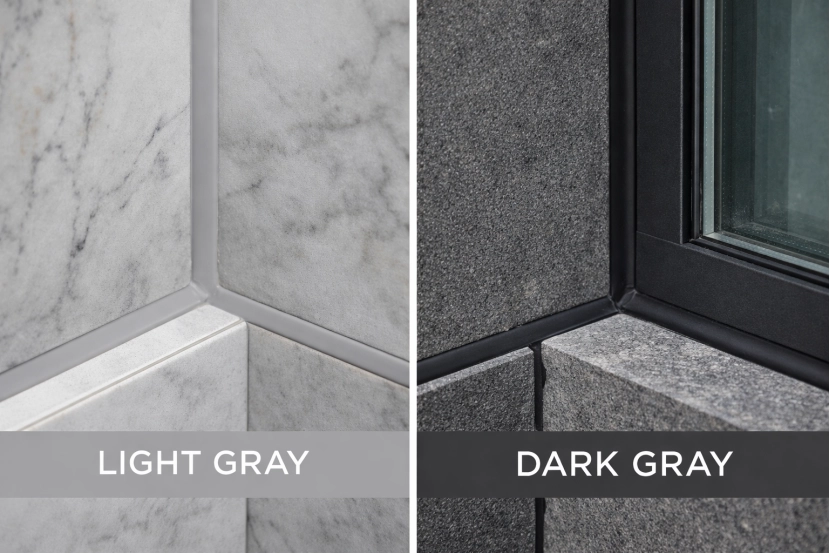
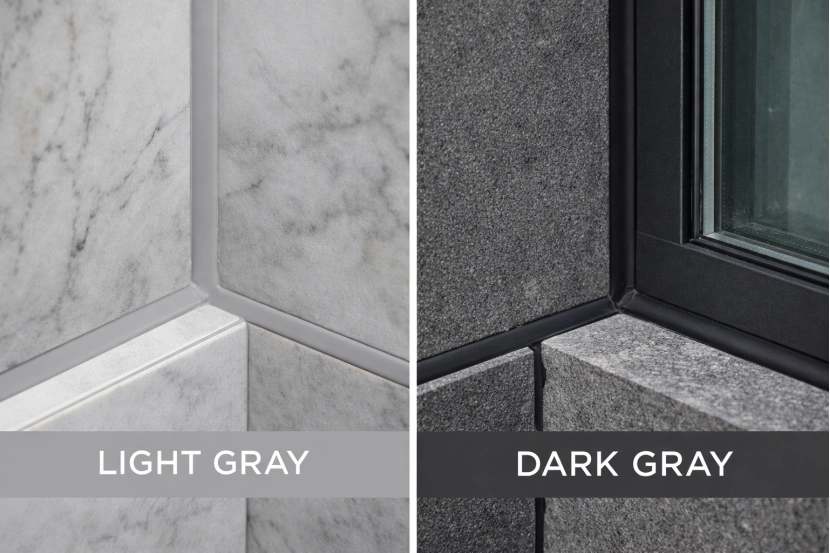
Gray sealant has quietly turned into the designer’s hidden tool for getting a neat, up-to-date look. It connects usefulness and beauty—in a real way and in sight. Unlike sharp white lines that might break up a design’s flow, gray sealant mixes well with current materials. It gives a gentle class that lasts through time.
The Appeal of Gray Caulk in Modern Design
Before we get into details, it’s good to see how color effects and material styles come together here. Today’s inside spaces often use neutral colors—grays, blacks, whites, and metals—to make calm but organized areas. Gray sealant fits right into this set of colors.
Moving Beyond Traditional White Finishes
Designers have shifted from plain white finishes. Those can show every bit of dirt or rough spot. Gray sealant goes well with today’s color sets and materials like concrete, brushed steel, and dull ceramics. It offers a mild difference that boosts clean building lines. And it does so without pulling eyes to itself.
Plus, gray hides flaws better than white. That’s a useful point in homes and business places. You can use it around tiles or window frames. It keeps an quiet grace while making joints less noticeable.
How Gray Caulk Elevates Contemporary Spaces
Gray sealant fits smoothly with factory-style insides where open metal and stone take over. When you pair it with gray grout or natural stone faces, it builds a steady flow across materials. This unity adds layers to simple designs. Those designs count on feel rather than color for eye interest.
A smart picked shade of gray can make even basic setups look planned and polished. It shows that tiny parts often decide if a modern space works well.
Why Professionals Prefer Gray Sealant
Experts pick gray not just for its style range but also for its strength in daily life.
Practical Advantages in Everyday Use
White sealant often turns yellow over time from sun light and home cleaners. Gray sealants handle aging better. Small spots or mold show less on their middle color. They also cover up dust well. That’s a small but key fact in busy or wet spots like bathrooms and kitchens.
On top of that, pro-level silicone-based gray sealants give results that last longer in seen joints. There, evenness counts a lot.
Compatibility with Various Materials
A main reason pros like silicone-based types is their fit for many uses. HY-2300 Outdoor Neutral Silicone Sealant works for a broad set of glass and weather-proof jobs. It shows strong sticking power for most building stuff such as glass, aluminum, brick, concrete, ceramic. This makes it great for inside details and outside sealing work.
Its bendy nature makes sure it performs steady even with water or heat shifts. That’s vital for kitchens, bathrooms, or outer walls.
Choosing the Right Shade of Gray Sealant
Picking color might seem small until you notice how much tone changes how things feel. Light vs dark gray can change the feel of a whole room.
Light Gray for Subtle Transitions
Light gray sealant suits best when you aim for smooth mixes. Picture marble tops or light ceramic tiles. It eases changes between faces without hard eye stops. In rooms full of sun light, light gray keeps eyes on feels rather than joins.
Dark Gray or Charcoal for Bold Accents
Darker colors like charcoal stress shape and lines. Around black tools or dark window frames, dark gray sealant points out edges in a nice way. It strengthens a factory look. In one-color insides where difference makes depth, this pick gives exactness without mess to the eyes.
Where Gray Caulk Works Best in the Home
Each room gains in its own way from gray sealant’s fit.
Bathrooms: Seamless Showers and Bathtubs
Bathrooms need water-proofing most. But looks don’t have to lose out. HY-722 Sanitary Silicone Sealant fits well for wet spots such as toilets and kitchens. There, mold on sealants happens often. Its anti-fungus traits stop mold from growing. At the same time, it keeps a neat look around tubs or glass walls. The gray kind matches fine with slate tiles or brushed nickel tools.
Kitchens: Backsplashes and Countertops
In kitchens, the aim is evenness between clean and design match. A neutral-cure silicone like HY-722 fights stains from cooking fats or cleaners. And it mixes neatly between tops and backsplashes. It goes great with steel tools or dull quartz faces. Both are key parts of today’s kitchen style.
Living Areas: Windows and Trim Work
In living spots where sun changes all the time, white trim sealant can look yellow after a while. Gray sealant stays neutral longer. It frames windows in a soft way so the outside view stays main. Around shapes or bottom boards, it gives a sharp but quiet end that seems planned rather than fixed up.
The Importance of Silicone-Based Formulas
While acrylics work in dry spots, silicone beats them in bend and long life. That’s true especially where water stays around.
Why Silicone Is Essential for Wet Areas
Silicone’s water-hating side stops leaks even in steady wet. HY-3300 Weatherproof Neutral Silicone Sealant shows strong water block, sun block, and weather block traits. This toughness makes it a must around showers, sinks, or outer joins hit by rain often.
Also, silicone mixes fight germ growth better than acrylics. That’s a needed point in clean places.
Key Benefits of Silicone Sealants Over Other Types
Next to acrylic choices that might break under move stress, silicone keeps stretch over heat changes from -50 °C to +150 °C based on mix type (as checked under ASTM C920). It sticks hard to non-absorb bases like glass or metal without rust risk. That’s a big thing in building details open to weather stress.
Recommended Professional Gray Sealants from Kingdeli
Kingdeli’s pro-grade line has two top picks made for tough spots:
HY-722 Sanitary Silicone in Gray
- Key Features: Cures at room temperature; excellent anti-fungus and aging resistance; performance stable between -50 °C and 150 °C.
- Ideal Use: Bathrooms & kitchens
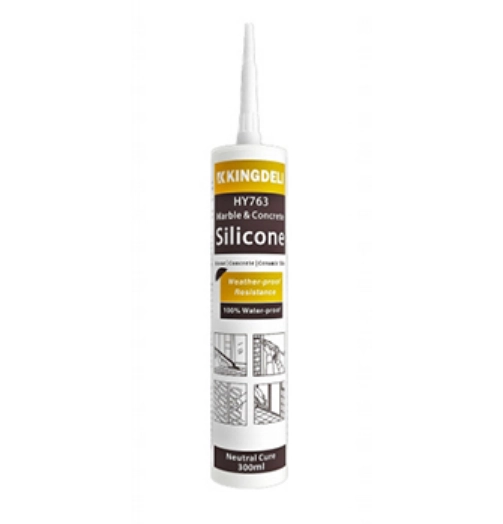
HY-763 Natural Stone Silicone in Gray
- Key Features: Free of corrosive and pollution for marble, granite; excellent weathering resistance; mildew-proof.
- Ideal Use: Natural stone counters & exteriors
Both hold long stick without marking touchy stuff like marble. Kingdeli shows this even through its new research way based on years of glue making know-how in Foshan, China. Their products—from clean silicones to build glassings—stick to world rules like ASTM C920 and GB/T14683‑2017. They offer change colors including many grays fit for today’s building jobs around the world.
Common Questions About Using Gray Caulk
Even pros with experience ask these real questions before putting on colored sealants:
Does gray caulk look like grout?
Yes. When matched right for color, it can copy grout lines just right across tiled faces for a joined look.
Will it stain light surfaces?
Top neutral-cure silicones stop color bleed into nearby stuff such as china tubs or quartz blocks.
How can I achieve clean lines when applying colored caulk?
Put painter’s tape along sides before pushing out the line. Smooth right away with a finish tool. Then take off tape before it sets to skip bumps.
Is it more expensive than white caulk?
A bit yes, from color add costs. But its better strength cuts down on how often you replace it.
Enhancing Modern Design with the Right Sealant Choice
The best shade of gray is not only about sight. It’s about match between shape and job. A good-made silicone-based gray sealant makes sure your design plan stays whole long after put-in day. And it guards joins from water get-in or color change.