
Sustainable Construction Sealants: The Complete Green Building Guide
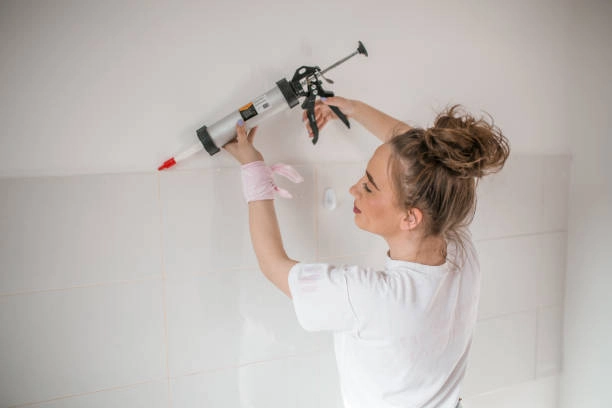
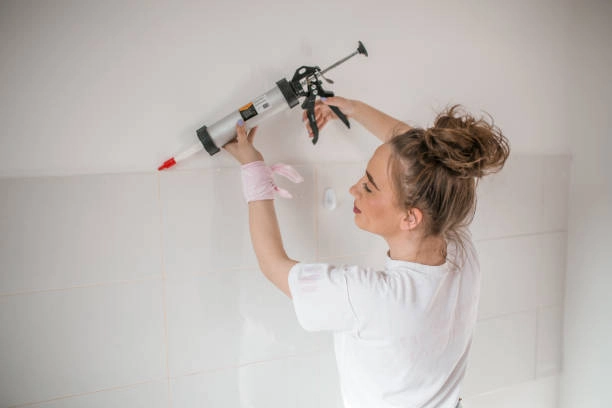
Sustainable construction sealants have moved beyond a simple niche idea. They now stand as a real must-have. The drive toward greener structures has turned these earth-friendly sealing options into key tools for better energy use, cleaner indoor air, and lasting strength. If you handle home builds or business sites, picking the best green sealant can cut down on harm to the planet. At the same time, it boosts how well your building works overall.
What Makes a Sealant Sustainable
A sustainable sealant works well. It also lessens damage to the environment through its full life. Green recipes keep volatile organic compounds (VOCs) low. These chemicals can escape into indoor areas.
Such low VOC types meet tough rules on the environment. Plus, they build safer spots for living and working. Durability counts too. This basic job stays key even in green setups. The change comes in how the item does it with a lighter touch on nature.
The Role of Sealants in Green Building Design
Sealants help keep building shells tight against air and water. They stop leaks of air and dampness. As a result, they improve heat holding and lower power needs for warmth or cool air. Good sealing guards key parts from harm due to water creep or shifts in weather.
On top of that, green sealants aid in getting badges like LEED or BREEAM. They hit low-release goals and back smart use of resources in builds. In essence, they link strong work with care for the earth.
Types of Eco-Friendly Sealants Used in Construction
Various green sealants fit certain jobs. Each brings its own perks based on what your project calls for.
Low VOC Sealant: Reducing Harmful Emissions
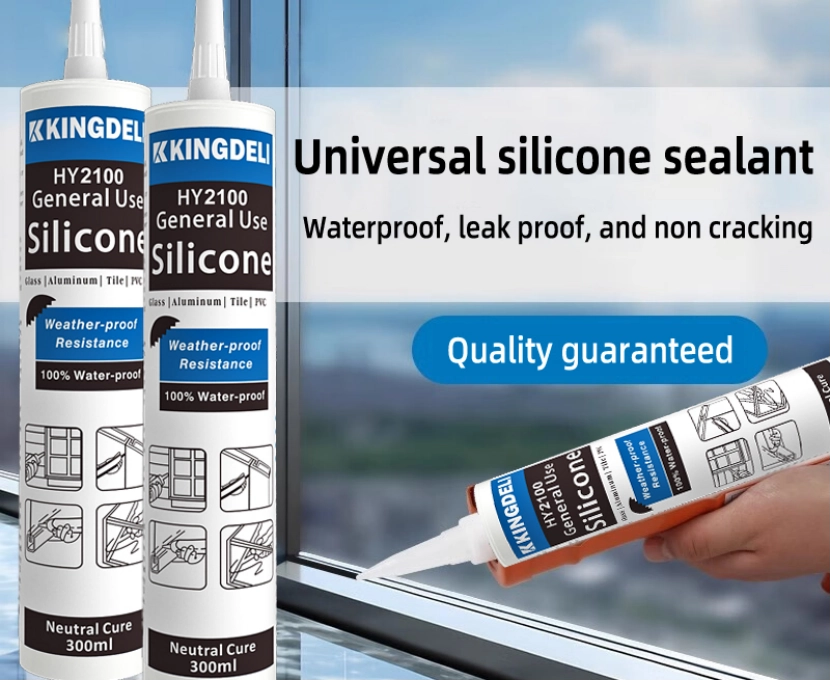
Low VOC sealants give off fewer bad particles into the air. They follow strict green rules and lift indoor air freshness. You find them great for closed spots like classrooms or workspaces with limited fresh air flow. HY-2100 general-purpose neutral silicone sealant is a one-component, room-temperature-stored, neutral-curing elastic adhesive with low VOC and low odor characteristics. Such builds show how makers like Kingdeli match their designs to green aims.
MS Polymer Sealant: A Versatile Green Option
MS polymer tech blends bendiness with nature-smart makeup. HY-994 All Purpose MS Polymer Sealant is solvent,silicone and isocyanate free.It is excellent in UV,weather and temperature resistance.Its adhesion over a wide variety of substrates is very good,and is paintable with most types of common industrial paints.
This turns MS polymer sealant into a top pick for inside and outside tasks. Think curtain walls or floor gaps. It cures without letting out bad solvents. It sticks well to unlike items like glass, metal, or stone. That wide reach adds to its handy nature.
Acrylic Sealant: A Cost-Effective Sustainable Choice
In projects where money plays a big role but green stays important, acrylic sealants draw you in. HY-972 High Elastic Acrylic Silicone Sealant is a versatile, environmentally friendly acrylic sealant for all purpose caulking and sealing applications. It is paintable and has good adhesion to most porous surfaces.
It is formulated with the right consistency thus able to withstand pressure during the installation. Water-based and with little smell, acrylic picks suit inside jobs like window edges or floor trim. They wash off with just water. No strong cleaners required. And they hold fair stretch for small shifts in joints.
Key Benefits of Using Sustainable Sealants in Construction
Switching to earth-kind sealants helps the world. It also aids those who own buildings and live in them.
Environmental Advantages
- Fewer toxic releases mean purer air inside homes and outside too.
- Build methods built on low-carbon ways shrink the full mark on nature.
For instance, Kingdeli’s lineup stresses items that are Low VOC,and environmental friendly. This lines up their making with worldwide green rules.
Performance Benefits for Buildings and Occupants
Strong green sealants raise how well insulation works. They fill holes that let heat slip away. Their hold against sun rays and rough weather gives them longer use. Fewer swaps cut waste creation. What’s more, low-release goods make inside spaces healthier. They limit run-ins with chemical smells that spark itchiness or reactions.
Selecting the Right Sustainable Sealant for Your Project
You pick a green sealant by more than just labels. You weigh several key details.
Factors to Consider When Choosing an Eco-Friendly Sealant
Compatibility with Building Materials
Make sure the sealant sticks right to faces like stone, clear panels, or steel. Some bases need starters. Others link straight thanks to smart polymer tricks like MS setups.
Environmental Certifications and Standards
Watch for known tags like GREENGUARD Gold or EC1 Plus. They prove low release amounts. These marks help follow green build plans.
Application Conditions and Longevity Requirements
Heat limits, sun hit levels, joint flex room. All shape your choice. Take HY-3300 Weatherproof Neutral Silicone Sealant. It holds solid work from -50℃ to +200℃ once set. That toughness brings sure sealing in many weather types.
Best Practices for Applying Sustainable Sealants in Green Construction Projects
The best product fails without right putting-on steps. Getting ready counts as much as the mix’s worth.
Preparation and Surface Treatment Tips
Clean faces fully. Wipe away dirt, grease bits, or old sealant marks before you add fresh stuff. Kingdeli suggests adding an adhesive enhancer to the porous base to improve adhesion.
Application Techniques That Maximize Efficiency
Lay even lines of sealant along gaps. This cuts extra use but covers everything. Even out the lines with fitting tools. It looks better and stops empty spots that might hurt seal strength down the line.
Maintenance for Long-Term Sustainability
Check spots every few years. Spot early breaks or loose parts. Quick fixes keep power use tight. They stop small leaks from growing big over time. It’s a simple step with big green payoffs.
Future Trends in Sustainable Sealant Technology
The road ahead for green build glues seems bright. New ideas in material know-how are changing things.
Innovations Driving Eco-Friendly Formulations
Makers push more toward plant-rooted polymers from fresh sources like crop oils. They skip oil-based starts. Self-mend polymers that fix small splits on their own may hit wide use soon. They stretch use time a lot. That drops swap waste flows.
Kingdeli’s steady work in research shows this path. Technical value the most profession and competitive advantage. Keeping this in mind, Kingdeli joint the heading lab,put the new materials and technology into the products. For architects or contractors seeking dependable eco-conscious solutions backed by technical expertise, Kingdeli offers both reliability and forward-thinking sustainability leadership.
The Growing Role of Regulations and Green Certifications
Governments around the globe tighten release caps under plans for zero-carbon by mid-century. As rules grow, badge systems will keep nudging makers to cleaner mixes. This makes green work standard, not extra, in every build area.
FAQs
Q1: What does “low VOC” mean in construction sealants?
It refers to products formulated with reduced volatile organic compounds that minimize harmful emissions affecting indoor air quality.
Q2: Are MS polymer sealants suitable for outdoor use?
Yes—they provide excellent UV resistance and adhesion on multiple surfaces including metal, stone, glass, and concrete.
Q3: How do acrylic sealants compare with silicone ones?
Acrylics are water-based and paintable but less flexible than silicones; they’re ideal for small interior joints rather than high-movement areas.
Q4: Can sustainable sealants contribute toward LEED certification?
Absolutely—using low-emission materials supports credits under LEED’s Indoor Environmental Quality category.
Q5: How often should building joints be resealed?
Typically every 5–10 years depending on exposure conditions; regular inspection helps determine when reapplication is necessary.