
Best Sealant for Aluminum to Concrete Joints
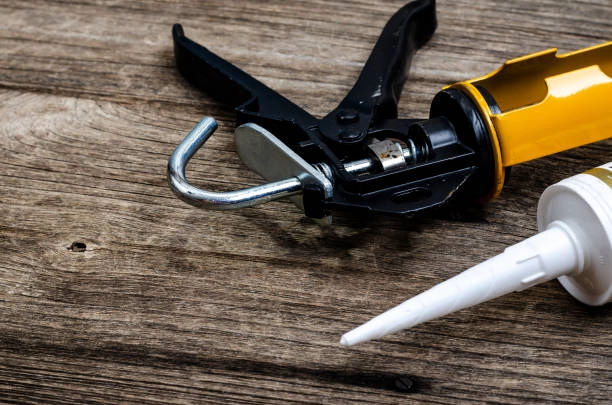
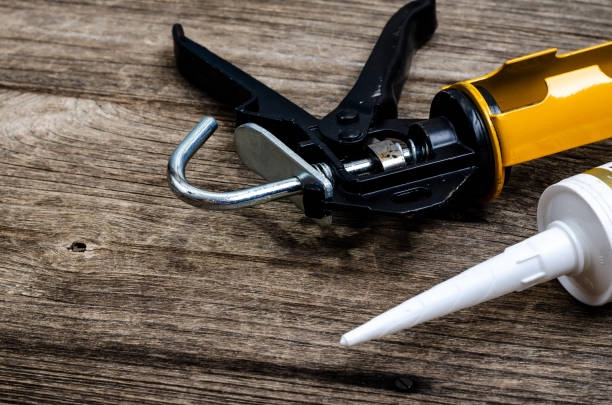
Introduction: Why Sealant Choice Matters at Aluminum to Concrete Joints
An aluminum frame set against a concrete wall looks like a simple joint. It is not. The two materials move differently as temperatures change. Concrete can hold dust and moisture. Aluminum may carry an oxide film or coating.
The best sealant for aluminum to concrete joints needs more than initial tack. It needs durable adhesion, elastic recovery, weather resistance, and a formulation that is kind to metal and cement based surfaces.
What Is the Best Sealant for Aluminum to Concrete Joints?
For many outdoor window, door, glazing, and small curtain wall joints, a weather resistant neutral silicone sealant is a strong starting point. Neutral silicone cures without the acidic by products associated with acetoxy systems. That matters when the bead touches aluminum, cement, or other sensitive building materials.
The useful combination is flexibility, resistance to ultraviolet exposure, and stable adhesion through wet and dry cycles. A neutral silicone can suit a joint that must remain watertight while the frame and wall move at different rates.
That answer still needs a site check. Joint width, movement, paint requirements, water exposure, and installation temperature can change the recommendation. A painted joint may favor MS polymer or polyurethane. A submerged detail needs a separate system review.
Why Aluminum and Concrete Joints Are Difficult to Seal
The joint brings together two very different surfaces. Failure often begins before the cartridge is opened.
Different Thermal Movement
Aluminum responds quickly to sun and cold. A dark frame can become hot while the concrete behind it changes more slowly. The frame repeats this cycle across the seasons. A rigid filler cannot follow it for long.
Elastic sealant helps when the joint has a sensible width to depth design. A thin bead may be stretched beyond its capacity. An overly deep fill can develop unnecessary stress during cure.
Different Surface Properties
Concrete is porous and often dusty after cutting or drilling. It may contain moisture. Aluminum is non-porous and smooth, with possible oil, powder coating, anodizing, or oxidation. Adhesion to bare aluminum does not prove adhesion to a coated frame.
Test the actual aluminum finish against the actual concrete condition. An ideal sample panel can give false confidence.
Exposure to Weather and Water
Exterior joints take rain, wind pressure, ultraviolet light, and temperature shifts. On a coastal apartment renovation, a joint may face salt laden air before the facade is protected. A sealant that looks fine indoors can chalk, crack, or lose edge contact outside.
Drainage and joint geometry still matter. Sealant cannot replace flashing or a sound opening.
Key Factors When Choosing a Sealant
Use the project conditions to narrow the choice:
- Adhesion to Both Substrates
The technical data should name aluminum, concrete, cement, or comparable substrates. - Movement Capability
Choose a cured sealant that remains flexible when the joint cycles. Its movement class should suit the design. - Weather and UV Resistance
Outdoor beads need resistance to rain, sunlight, and temperature variation. Aging data beats a generic “all weather” label. - Non-Corrosive Formulation
Confirm that the curing chemistry will not attack the metal or cementitious edge. - Application Temperature
Cold weather affects extrusion and cure. Hot, damp conditions can alter tooling time. - Paintability and Appearance
MS polymerand polyurethane are often considered when the joint must be painted. Silicone generally offers better weather performance but is difficult to coat reliably. - Packaging and Project Requirements
Export projects may need specific colors, cartridge sizes, shelf life, technical files, and batch consistency.
Silicone vs. Polyurethane vs. MS Polymer Sealants
The three families overlap, yet their practical strengths are different.
| Sealant Type | Main Strength | Suitable Applications | Key Limitation |
| Neutral Silicone | Weather resistance, flexibility, non-corrosive bonding | Aluminum frames, glazing, outdoor concrete joints | Usually difficult to paint |
| Polyurethane | Strong adhesion, toughness, movement accommodation | Construction joints, expansion joints, demanding bonding | Needs careful moisture and surface control |
| MS Polymer | Paintability, adhesion, low odor, versatility | Mixed material construction joints and renovation | Performance varies by formulation |
Neutral silicone suits outdoor durability and aluminum contact. Polyurethane fits tough adhesion and abrasion resistance. MS polymer helps when broad adhesion and a paintable finish matter.
There is no universal winner. Use the data sheet and a small adhesion test for unusual coatings, porous concrete, or high movement details.
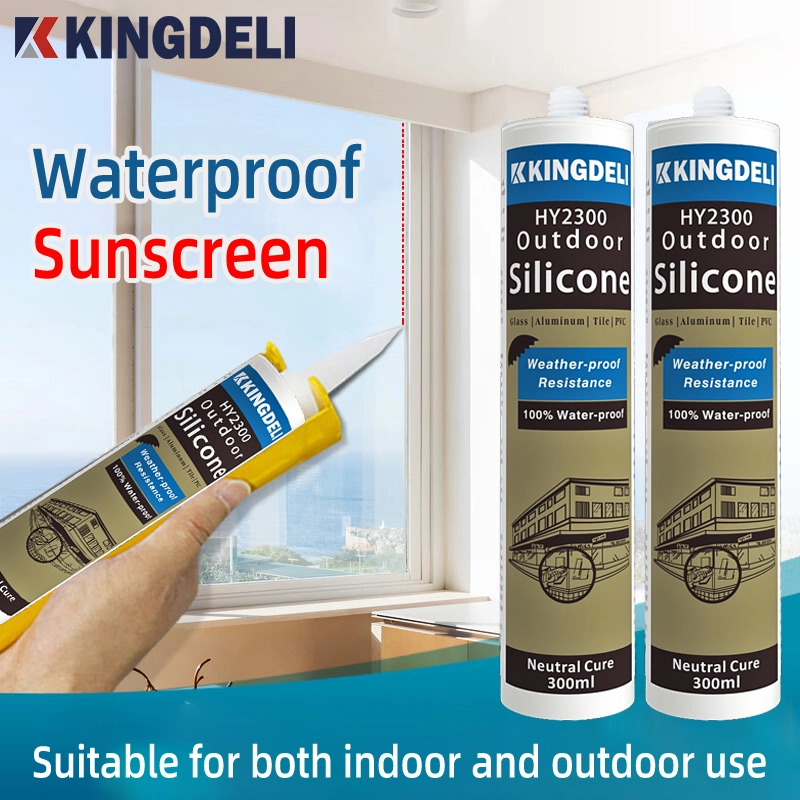
KINGDELI HY-2300 for Aluminum and Concrete Applications
HY-2300 Outdoor Neutral Silicone Sealant is a one component neutral curing silicone designed for glazing and weatherproofing work. Its listed application materials include glass, aluminum, brick, concrete, ceramic, PVC, and ABS. The formulation is described as non-corrosive to metal and cement, with low VOC and low odor characteristics.
After curing, the stated operating range is approximately -50°C to +150°C. It is a sensible profile for many exterior frame edges and building joints, including door, window, and small curtain wall work.
Confirm joint dimensions, aluminum finish, concrete moisture, installation temperature, and local code requirements. A trial bead on the real substrates is sensible before a large facade run.
How to Apply Sealant to an Aluminum to Concrete Joint
Preparation usually matters more than a faster application gun.
1. Inspect and Design the Joint
Check width, depth, and edge condition. Remove weak concrete. Plan backer material where needed. Avoid three sided adhesion unless the system requires it; it can concentrate stress.
2. Clean Both Surfaces
Brush or vacuum concrete dust. Remove grease, old sealant, and release agents from aluminum. Use a compatible cleaner and let the surface dry. If primer is required, use the specified product.
3. Apply the Sealant
Run a continuous bead with steady pressure. Fill without trapping air. Tool while workable and press the sealant against both bond lines. Keep the profile slightly concave when permitted.
4. Allow Proper Curing
Protect the bead from rain, standing water, movement, and contact during cure. The surface may skin while the deeper material remains soft. Respect the stated cure time.
Common Mistakes That Cause Joint Failure
- Applying over dusty or visibly wet concrete.
- Leaving old sealant at the aluminum edge.
- Using an acidic or otherwise incompatible formulation against sensitive metal.
- Making the bead too thin for the expected movement.
- Skipping an adhesion test on powdercoated or anodized aluminum.
- Treating the sealant as a replacement for flashing, drainage, or sound joint design.
- Selecting on price alone while ignoring technical data, shelf life, and batch control.
Choose the Right Sealant with KINGDELI
Describe the joint accurately. Outdoor aluminum and concrete weatherproofing often points toward neutral silicone. A tough construction joint may justify polyurethane. A paintable renovation detail may call for MS polymer.
KINGDELI supplies a broader neutral silicone sealant alongside polyurethane sealant products and MS sealant and adhesive solutions. Contact KINGDELI and send the substrate types, joint dimensions, climate, color, and packaging requirement for a product review, sample discussion, or export quotation.
FAQ
Q: Can silicone sealant bond aluminum to concrete?
Yes, a compatible neutral silicone can bond to both surfaces when they are clean, sound, and properly prepared. Verify the exact aluminum finish and concrete condition with an adhesion test.
Q: Is neutral silicone better than acidic silicone for aluminum?
For many aluminum and cement joints, neutral silicone is the safer starting point because its cure chemistry is non-corrosive to these materials. Product data and a site test still matter.
Q: Should I use polyurethane or silicone for an outdoor joint?
Use the joint’s priorities. Silicone is usually favored for long term weathering and elastic movement. Polyurethane may be preferable where strong, tough adhesion or a different finishing requirement is more important.