
How to Choose an Adhesive for Industrial Material Bonding


Industrial bonding problems do not often start from too few adhesive options. They start when someone picks a product based on one nice claim on the label. Strong bond. Fast cure. Waterproof. These claims do matter. They matter only in the right setting.
A sealant that works well around an aluminum window frame can prove a poor choice for a vibrating metal housing. A rigid adhesive holds firm in a dry test room. It may crack after repeated temperature changes on site. The right choice depends on the materials. It depends on the service conditions. It also depends on how the assembly is made.
Start with the Materials You Need to Bond
The substrate usually tells the real story. Metal, glass, plastic, wood, concrete, ceramic, and composite materials behave differently under load and exposure.
Identify the Substrate Type
Smooth aluminum and stainless steel often need strong surface adhesion. Porous concrete may need an adhesive or sealant that can wet the surface. It must bridge small imperfections. Some plastics are difficult to bond because of their low surface energy. A material can also carry oil. It can carry dust or release agents or moisture from storage.
Surface preparation is often underestimated. In a fabrication workshop a metal panel may look clean. It still has cutting oil near the edge. That small detail can reduce bond reliability. Cleaning matters. Drying matters too. Light abrasion or primer application should be considered before selecting the adhesive.
Consider Material Combinations
Bonding similar materials is usually more predictable than bonding different ones. A metal to metal joint may require high strength. A glass to aluminum joint has another issue. The two materials expand differently with heat.
Plastic to metal assemblies are common in equipment covers, lighting components, and appliance parts. These joints often need flexibility. If the adhesive is too rigid the bond line can be stressed. This happens every time the temperature changes. Material movement is not always visible. It is still there.
Evaluate the Operating Environment
A bond should be selected for its working life. Its appearance on the day of installation is not enough. The same adhesive can work quite differently indoors and outdoors.
Temperature, Moisture, and UV Exposure
Outdoor building joints face rain, sunlight, humidity, and changing temperatures. For window sealing, façade work, roofing details, or waterproofing areas weather resistance is usually more important than maximum initial strength.
Silicone based products are often considered where UV exposure and moisture are constant concerns. In a bathroom installation moisture may be the main issue. On an exterior wall UV resistance and movement capability become equally important. An adhesive that becomes brittle after prolonged exposure can create a leak path. That path is expensive to trace.
Chemical and Mechanical Stress
Industrial environments may expose bonded parts to oils, detergents, fuel vapors, or cleaning chemicals. A factory floor is not a laboratory. Small spills and routine maintenance can affect the joint over time.
Mechanical stress also changes the decision. A fixed decorative panel has different requirements from a machine cover that vibrates all day. For vibration prone parts a flexible bond line can help absorb movement. It avoids transferring it directly to the substrate.
Match the Adhesive Type to the Application
After the materials and service conditions are clear the adhesive family becomes easier to narrow down. There is no universal industrial adhesive. That is usually a warning sign. It is not a selling point.
Silicone Sealants and Adhesives
Silicone sealants and adhesives are widely used where flexibility, weather resistance, waterproofing, and temperature tolerance are needed. They are common in glass, metal, ceramic, and construction sealing applications.
They can be a practical option for joints that move slightly in service. Window perimeter sealing is a familiar example. The joint must remain sealed. The frame and surrounding structure respond to temperature changes. In these cases elasticity matters as much as adhesion.
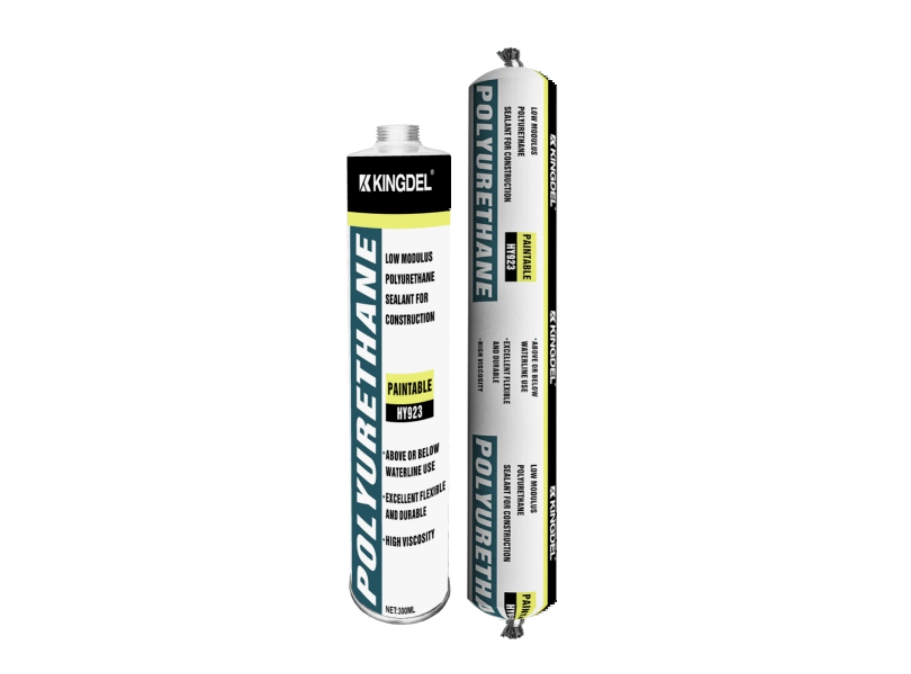
Polyurethane Adhesives and Sealants
Polyurethane sealants are often used when stronger adhesion and impact resistance are required. They can suit construction details, vehicle components, and multi-material assemblies.
A polyurethane adhesive may work well for bonding materials that experience moderate movement or mechanical stress. Cure conditions need attention. Temperature affects them. Humidity affects them. Joint thickness and application method affect them too. A fast production line may need a different product from a field installation crew.
Acrylic, Epoxy, and Other Industrial Adhesives
Epoxy adhesives are often selected for rigid structural bonding where high strength is the main priority. They may be suitable for certain metal assemblies or parts that do not need substantial flexibility.
Acrylic systems can be useful where faster fixture time is required. Other specialty adhesives may be better for particular plastics or composite materials. The decision should come back to the application. A stronger adhesive is not automatically the better one if the joint needs to flex.
Check the Performance Requirements Before Buying
Technical data should be read with the actual job in mind. A few questions help avoid costly trial and error.
- Does the bond need to carry weight or only hold a panel in position?
- Will the joint move, vibrate, or expand during use?
- Is gap filling needed because the surfaces are uneven?
- Will the adhesive be exposed to water, UV light, or cleaning chemicals?
- Does the assembly need painting after bonding?
- How quickly must the part be handled or installed?
A product data sheet can indicate tensile strength, elongation, skin time, cure rate, and service temperature. These values are useful. They are not a substitute for a trial on the real substrates. A small compatibility test is far cheaper than reworking installed units.
Consider Application Method and Production Efficiency
The best product on paper can still create trouble if it does not fit the production process. Cartridge packaging may work well for site installation. Sausage packs or bulk packaging may be more efficient for repeated factory use.
Check the dispensing equipment. Check the available curing time. Check storage conditions. A sealant stored incorrectly during a hot summer can become a problem before it reaches the line. Production teams usually care about consistency more than impressive marketing language.
Why Work with an Experienced Adhesive Manufacturer?
Industrial bonding decisions often need technical discussion. A reliable manufacturer should review the substrate. It should review expected exposure. It should review joint design and application method before recommending a product.
KINGDELI develops, manufactures, and exports sealants and adhesives for construction sealing, waterproofing, vibration resistance, and material bonding applications. For buyers and distributors stable quality and clear technical information are important. So is having a supplier that understands packaging, shipment, and the realities of export projects.
Choose the Right Industrial Adhesive with KINGDELI
A suitable adhesive starts with the joint itself. Identify the materials. Look at the environment. Decide whether strength, flexibility, sealing, or curing speed is the priority.
For projects involving metal, glass, plastic, concrete, or mixed materials KINGDELI can provide product information for evaluation.
Explore KINGDELI sealant and adhesive products. Then contact KINGDELI for industrial bonding solutions with details of the substrate and working conditions.
FAQs About Industrial Adhesives
Q: What adhesive is best for bonding metal to plastic?
It depends on the plastic type, the expected load, and the operating environment. A flexible adhesive may be needed when the metal and plastic expand at different rates.
Q: How do I choose between silicone and polyurethane adhesive?
Silicone is often preferred for weather resistance, waterproofing, and flexible joints. Polyurethane may be suitable where stronger bonding and impact resistance are needed. Test both options when the application is critical.
Q: Should industrial adhesives be tested before large scale use?
Yes. Test the adhesive on the actual materials under realistic conditions. Check adhesion, cure behavior, appearance, and resistance to moisture or movement before full production.