
Weak Adhesion Troubleshooting: Tips for Metal and Glass Surfaces
Introduction
Sticking metal and glass together can be tough. Poor bonding often causes project hold ups, safety risks, or expensive fixes in industries like construction or car manufacturing. From curtain walls to vehicle parts, solid bonds matter a lot. This blog explores why adhesion fails and shares easy, practical tips for strong results. You’ll find useful advice and ideas from experts like Kingdeli.
Common Causes of Weak Adhesion on Metal and Glass
Weak bonds can mess up even well planned work. Let’s look at why things go wrong.
Surface Contamination
Dirt, oil, or rust are huge problems for adhesion. These create a thin layer that stops glue from holding tight. For example, a bit of machine oil on metal can cut bond strength by half. Glass, which seems clean, might have fingerprints or leftover cleaner. Cleaning well is a must.
Incompatible Materials
Not every metal or glass works with every glue. Stainless steel, aluminum, or tempered glass need specific products. Polysulfide sealants, good for insulating glass, don’t handle UV light well, causing degumming in curtain walls, as industry reports show. Picking the wrong glue leads to trouble.
Environmental Factors
Weather like humidity, heat, or sunlight can ruin bonds. High humidity messes with how glue sets. UV rays break down sealants like polyurethane or polysulfide over time. Silicone sealants, with their Si-O-Si backbone and strong 444 KJ/mol bond energy, hold up better against UV, making them great for outdoor jobs like glass curtain walls.
Improper Application
Messy work weakens bonds. Using too much or too little glue, uneven pressing, or rushing the drying process hurts results. In insulating glass, if sealant width is too small or butyl rubber doesn’t match with silicone, seals can fail, or glass might even fall off in curtain walls.
Selecting the Right Adhesive for Metal and Glass
Choosing the best glue is super important. Here’s a simple guide to good options.
Epoxy Adhesives
Epoxies make strong bonds, great for heavy parts like metal frames or glass panels in buildings. They’re tough but not flexible, so they’re not the best for surfaces that expand with heat.
Silicone Sealants
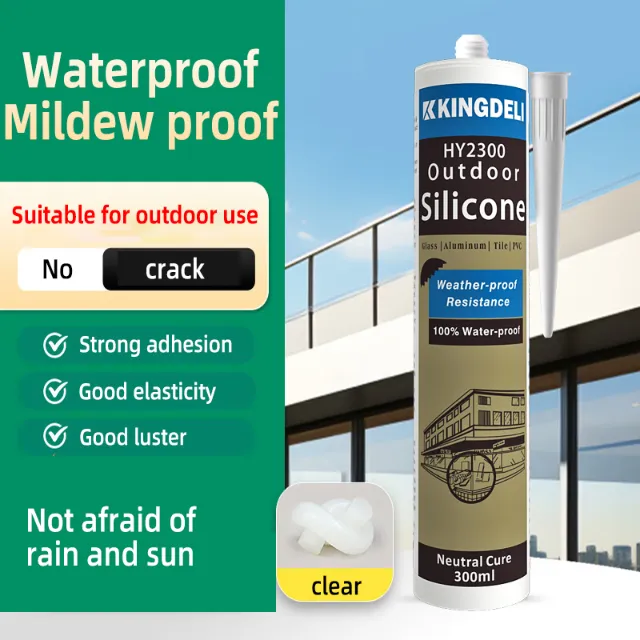
Silicone sealants are awesome for flexibility and resisting weather. They don’t soak up water and handle UV rays well, perfect for insulating glass in hidden frame or point supported curtain walls. But their higher gas permeability can be an issue for some sealed units, as noted in sealant guides.
Polyurethane Adhesives
Polyurethane sealants are strong and stretchy, ideal for tough jobs like car windshields or boat parts. They stick well to metal, glass, and concrete, and work in humid places due to low water vapor transmission. The downside? They don’t handle UV light well, so they’re not great for outdoor surfaces unless covered.
Surface Specific Formulations
Some glues are made for specific surfaces. For example, silicone structural sealants are required for insulating glass in hidden frame curtain walls, per JGJ102 standards. Always check if they work with primary sealants like butyl rubber to avoid problems.
Surface Preparation Tips
Good adhesion starts with prepping surfaces right. Skip this, and even great glue fails.
Cleaning and Degreasing
Use stuff like isopropyl alcohol or acetone to wipe away grease and dust. For glass, mix equal parts water and alcohol for a solid clean. Metals might need special cleaners for rust. Wipe one way to keep from spreading dirt.
Abrasion and Sanding
Roughing surfaces helps glue stick better. Use fine sandpaper or pads on metals. For glass, go easy, lightly rub with a non scratch pad to avoid damage. It’s simple but works.
Primers and Activators
Primers act like a bridge between glue and surface. On tough metals like aluminum or coated glass, they can make bonds twice as strong. Activators help glue dry faster, especially in cold weather. Check what Kingdeli suggests, their primers match their silicone and polyurethane sealants.
Drying and Curing Conditions
Keep temperature and humidity in check when glue dries. Most glues work best at 15-25°C and 40-60% humidity. If it’s too wet, polyurethane might bubble. Too dry, and silicone takes forever to set. Waiting pays off.
Application Techniques for Strong Adhesion
Using glue right is just as key as picking it. Here’s how to do it well.
Proper Glue Amount and Pressure
Too much glue makes a mess; too little doesn’t hold. Stick to maker’s rules, usually 4-6mm beads for insulating glass sealants. Press evenly when bonding for full contact. A roller or clamp helps on big surfaces.
Curing Time and Temperature
Each glue has its own needs. Epoxies might take a full day at room temp. Silicones dry quicker but like warmth. Polyurethane sealants, tough yet stretchy, need enough time to set strong, as guides point out.
Avoiding Trapped Air Bubbles
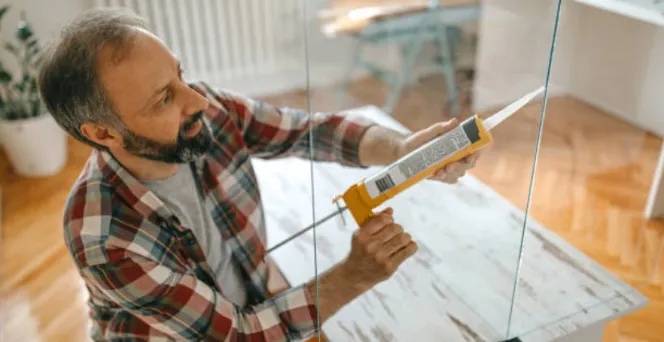
Air bubbles make bonds weak and let water sneak in. Apply glue slowly and steady with a caulking gun for control. On glass, use one long bead to keep air out. If bubbles show up, poke them gently before the glue hardens.
Troubleshooting and Maintenance
When bonds fail, quick fixes can save you. Here’s how to spot and solve problems.
Identifying Weak Spots
Look for gaps, cracks, or peeling where glue meets the surface. In insulating glass, fog between panes means a seal broke, often from mismatched sealants or bad application. Shine a flashlight on metal bonds to find holes.
Repairing Failed Adhesion
Scrape or dissolve old glue, then clean and prep the surface again. Use the right sealant, like silicone structural sealant for curtain walls. Make sure drying conditions are good to stop the problem from coming back.
Preventing Future Adhesion Issues
Stick to a solid routine: clean well, pick matching glues, and follow application rules. Check bonds often to catch issues early. For big jobs like curtain walls, use trusted sealants from brands like Kingdeli. Their support team can help with tricky projects.
Conclusion
Weak bonds on metal and glass come from dirt, wrong materials, weather, or bad application. Clean surfaces well, pick the right glue, epoxy, silicone, or polyurethane, and apply it carefully for strong, lasting results. For big projects like insulating glass or curtain walls, use quality sealants from brands like Kingdeli and follow standards like JGJ102. Don’t skimp, use the right tools and know how for bonds that hold up.
FAQ
Q1: What’s the best adhesive for glass curtain walls?
Silicone structural sealants are top picks for hidden frame and point supported curtain walls. They resist UV and stay flexible, as JGJ102 standards require.
Q2: Why does polyurethane sealant fail in outdoor applications?
Polyurethane doesn’t handle UV light well, so it breaks down and gets gummy in sunlight, making it less great for exposed glass.
Q3: How can surface contamination be prevented?
Clean with proper solvents, wipe one way, and don’t touch prepped spots. Use primers for tough surfaces like coated metals.
Q4: Are low cost sealants worth it?
Cheap sealants often cut corners, leading to risks or failures. Stick with trusted names like Kingdeli to save on repairs later.
Q5: How long do silicone sealants last on glass?
Good silicone sealants can last over 20 years if applied right, thanks to their UV and weather resistance. Gas permeability might be an issue for insulating glass, though.