
What Sealant Should Be Used for ACP Cladding Joints?
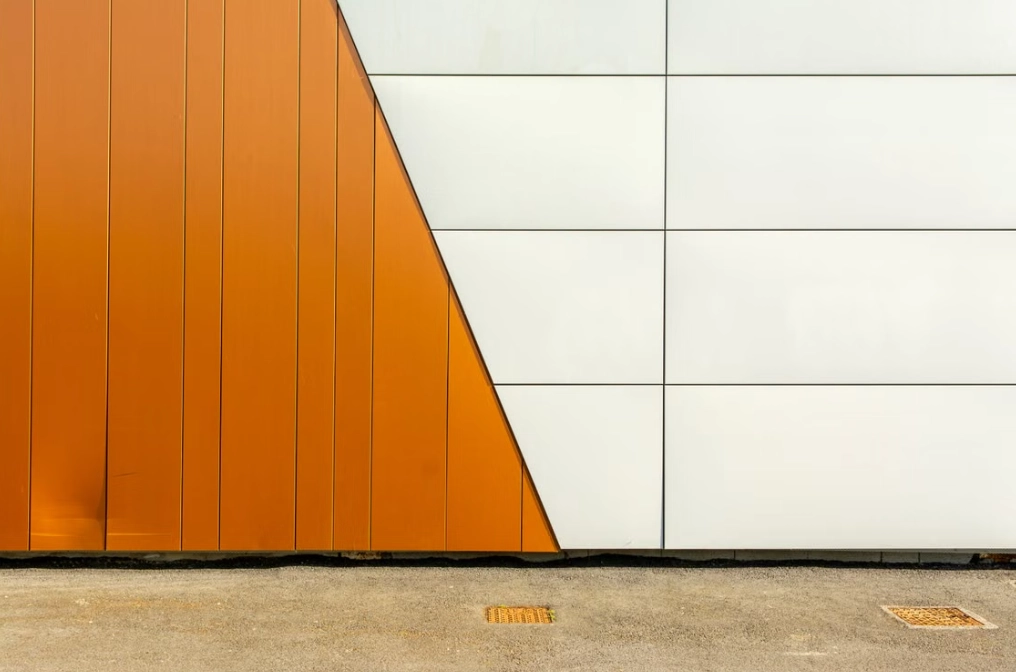
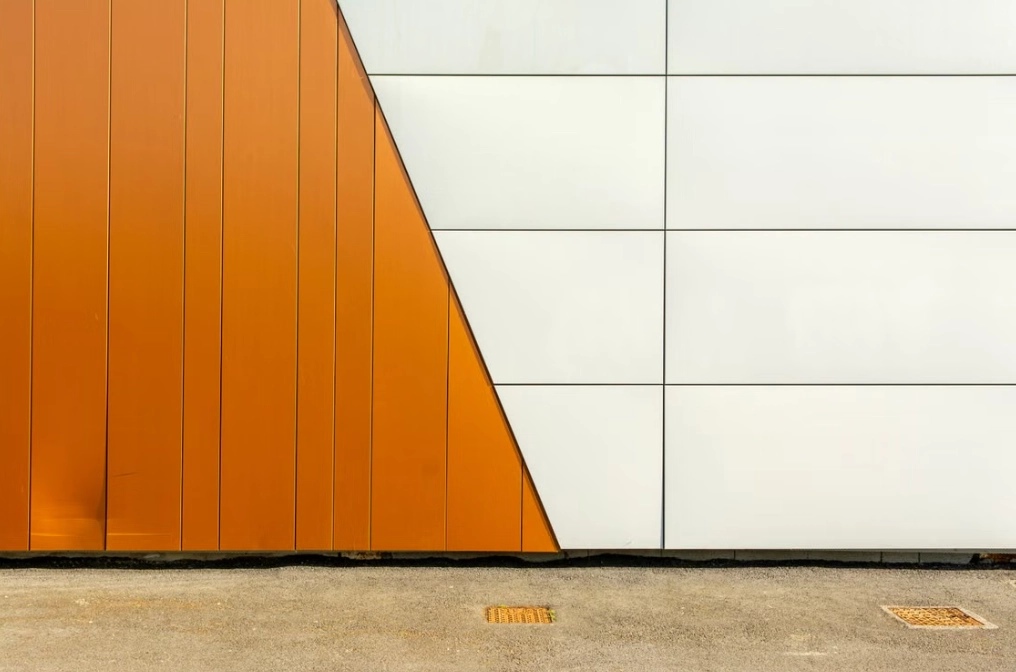
Aluminum composite panels (ACP) give a façade a clean, continuous appearance. The joints between panels keep out wind driven rain and absorb movement while the aluminium skin expands and contracts.
For most exposed ACP joints, the practical starting point is a high performance façade sealant with weathering resistance and enough elasticity to follow movement. A neutral cure silicone is often the strongest candidate. The panel coating and joint geometry still matter.
The Short Answer: Use a High Performance Façade Sealant
An exterior ACP joint needs a sealant designed for building façades rather than a household caulk. It should bond to the panel coating, tolerate ultraviolet exposure and remain flexible as the joint opens and closes.
Neutral cure silicone is commonly considered when long term outdoor weathering is the main concern. It can maintain elasticity over a wide temperature range. The grade matters. A product intended for indoor decoration may not have the movement capability or adhesion profile of an exterior façade sealant.
Polyurethane and hybrid polymer products have a place where substrate adhesion or paintability matters. Selection should be based on technical data and a site test.
Why ACP Cladding Joints Need the Right Sealant
The joint is part of the building envelope. It is exposed, but it is also moving. Shortcuts become expensive.
Exposure to Weather and UV
ACP façades face rain, humidity, dirt and intense sunlight. In a coastal project, salt adds stress. A weak sealant may chalk, harden or lose edge adhesion. Water can then find a path behind the panel before the failure is visible from the ground.
The bead must retain recovery and adhesion after repeated wetting, drying and heating. A façade grade product with documented outdoor performance is safer.
Movement Between Panels
Aluminium reacts quickly to temperature changes. A dark panel in direct sun can become much hotter than the surrounding air. At night it contracts. Tall buildings add wind deflection and structural movement.
The sealant needs to move with the joint instead of resisting it like a rigid filler. Joint width and depth matter. If the joint is too narrow, even a good sealant may be stretched beyond its design movement.
Coated Aluminum and Substrate Compatibility
ACP is not simply bare aluminium. The visible surface may have a PVDF, PE or another coating. Adhesion to that finish can differ from adhesion to the panel edge, concrete, glass or a metal frame.
Use the actual panel batch for a compatibility test. Check adhesion after curing and look for staining, softening or colour change.
Which Types of Sealant Can Be Used for ACP Joints?
The right chemistry depends on the job. Project data makes the final choice.
Neutral Cure Silicone Sealant
Neutral cure silicone is a common option for exposed ACP movement joints. It resists ultraviolet light and weathering while retaining a flexible bead. That combination suits façades that must accommodate thermal movement for years.
Use a product specified for architectural or façade sealing. A neutral cure silicone sealant for exterior building applications should still be tested on the exact ACP finish. Some dark or textured surfaces make dirt lines more visible around the joint.
Polyurethane Sealant
Polyurethane can work well where adhesion to particular construction materials or paintability is important. Some formulations also offer useful abrasion resistance.
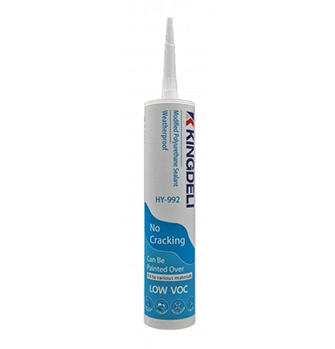
Outdoor exposure needs review. Not every polyurethane has the same resistance to UV or temperature cycling. A low modulus polyurethane sealant for construction may suit a movement joint, but product data and test results should govern the specification.
Hybrid or MS Polymer Sealant
Hybrid and MS polymer sealants can be useful when a project needs strong adhesion, low odour or a paintable surface.
Performance varies between formulations. “Multipurpose” does not mean suitable for every façade. Verify movement capability, weathering data and adhesion before approval. A modified polymer construction sealant is a project specific option, not a shortcut.
Structural Silicone Is Not the Same as Joint Sealant
Structural silicone belongs to an engineered bonding system. It transfers load in a designed assembly and follows different requirements from an exposed weather seal.
Do not substitute one for the other because both are called silicone. Structural glazing requires approved design details, substrate testing and controlled application.
How to Choose the Best Sealant for ACP Cladding
Use the project information in front of you:
- Joint movement:Estimate thermal and structural movement rather than guessing from appearance.
- Panel coating:Identify the ACP finish and test adhesion to the actual surface.
- Substrate type:List every contact surface, including aluminium, concrete, glass and backing materials.
- Weather exposure:Note coastal salt, high humidity, severe cold, high heat and strong UV.
- Joint width and depth:Confirm that the geometry suits the sealant’s movement range.
- Colour and appearance:Match the panel without creating a conspicuous dirt trap.
- Application requirements:Check curing speed, primer needs, tooling window and paintability.
- Testing and documentation:Request the TDS, SDS and relevant test evidence before approval.
For demanding exterior movement and weathering, façade grade silicone is often sensible. Where adhesion or paintability leads the brief, polyurethane or hybrid polymer may be better.
Best Practices for Applying Sealant to ACP Joints
Clean the joint faces thoroughly. Remove dust, oil, release agents and moisture. Confirm the designed width and depth before opening the cartridge.
Use a compatible backer rod where the detail calls for it. This controls sealant depth and helps avoid three sided adhesion. Apply primer only when testing or product instructions require it.
Gun the sealant in one steady pass. Voids and trapped air become weak points. Tool the bead before skinning, then protect it from rain and dirt during cure. A sample joint on the actual panel reveals adhesion and colour issues while they are still cheap to fix.
Common Mistakes to Avoid
Using indoor caulk on an external façade is a frequent error. So is skipping the adhesion test because the panel “looks like aluminium.”
Other failures come from undersized joints, three sided bonding and application over damp surfaces. Mixing products without checking compatibility can soften a cured bead or cause staining. A low purchase price loses its appeal when access equipment is needed for a repeat installation.
Frequently Asked Questions
Q: Is silicone sealant suitable for ACP cladding?
Yes. A façade grade neutral cure silicone can suit many ACP exterior joints. Confirm adhesion to the specific coating and verify movement and weathering data.
Q: Can polyurethane sealant be used outdoors?
Some polyurethane formulations are designed for outdoor construction. Check UV resistance, elasticity and substrate compatibility.
Q: Should a primer be used on ACP panels?
Not always. Primer selection depends on the sealant, coating and test result. An unapproved primer can reduce adhesion or create staining.
Q: How can I select the right color?
Use a colour close to the ACP finish and inspect a cured sample outdoors. Dirt pickup and changing light can alter the impression.
Choose the Right ACP Joint Sealant with KINGDELI
ACP joint sealing is detail driven. The safest product matches the panel finish, joint movement and exposure conditions, then proves that fit in a test.
For a project review, send KINGDELI the panel coating, joint dimensions, substrates, climate, colour and estimated volume. Review guidance on sealants for aluminum curtain walls or contact KINGDELI to discuss the detail.