
Adhesive vs. Sealant: Understanding the Key Differences
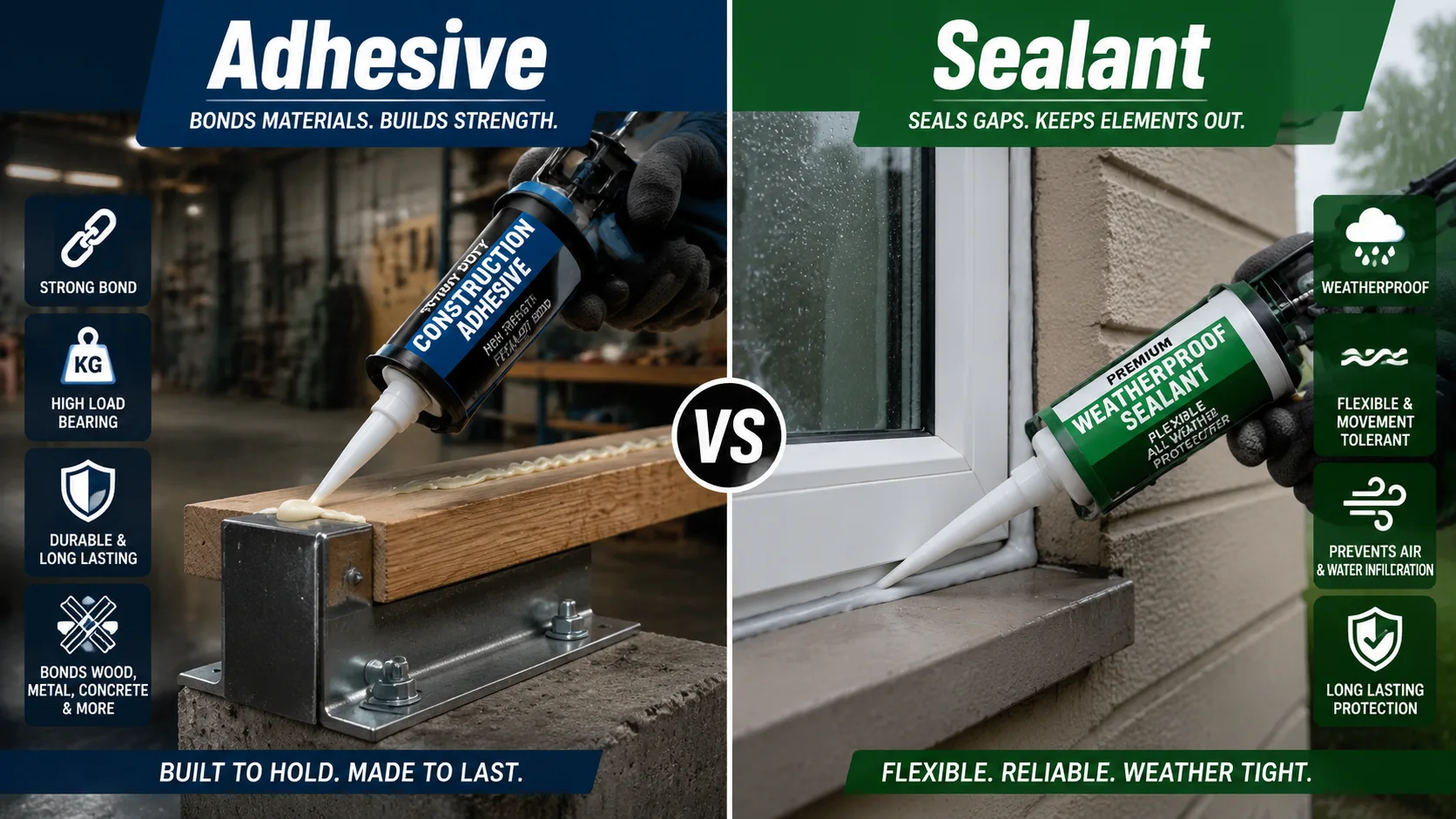
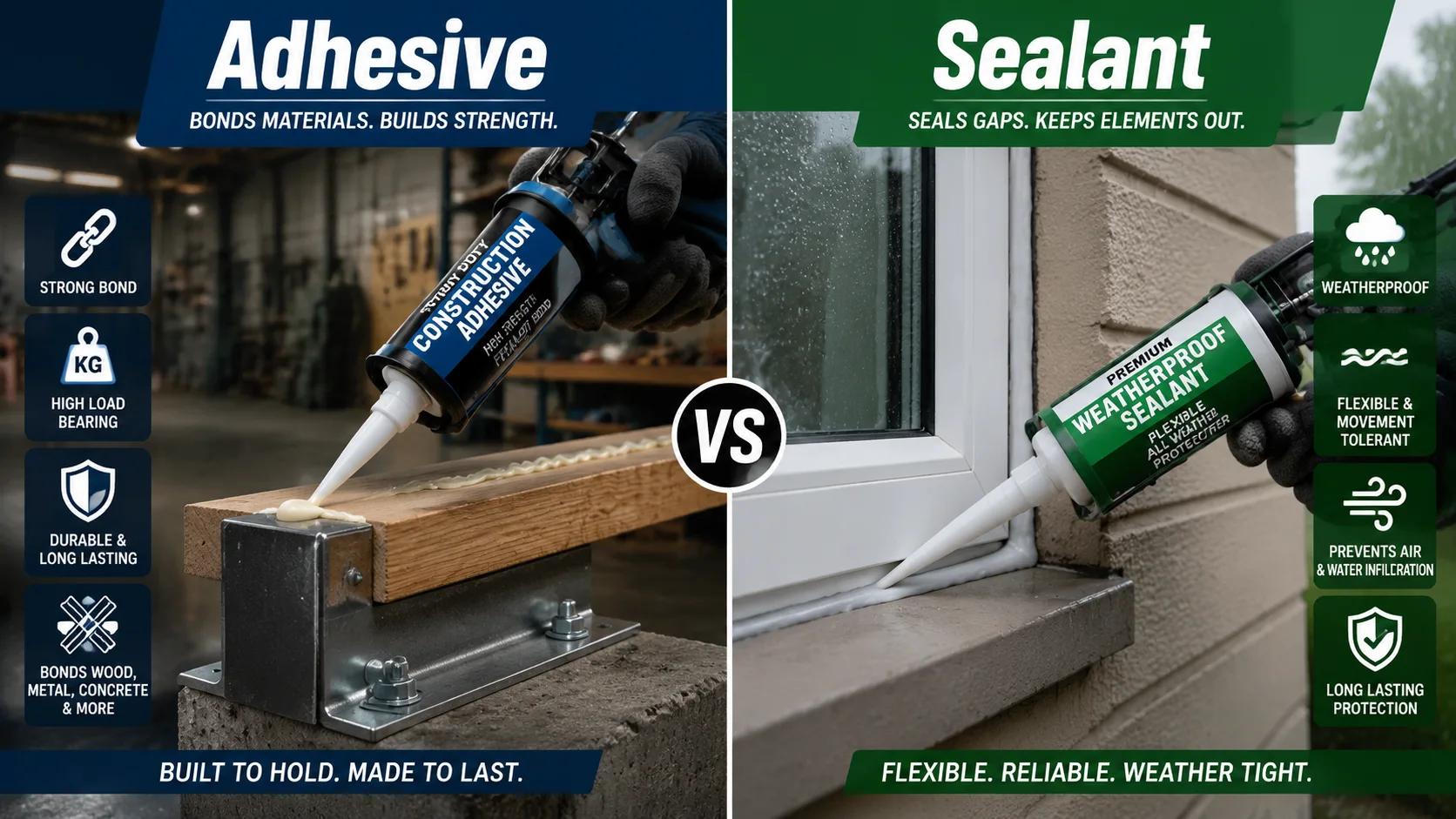
Adhesives and sealants might appear similar on store shelves, but their jobs in engineering and building projects differ greatly. Adhesives join materials to handle weight, whereas sealants close spaces and stop air, water, or dirt from passing through. Picking the right one can determine if a building performs well or fails.
The Fundamental Distinction Between Adhesives and Sealants
You can see how both adhesive and sealant methods have grown together in practical uses, from tall building fronts to car production lines.
Defining Adhesives and Sealants in Industrial Applications
Adhesives join like or unlike materials, and they provide solid strength.
Sealants close openings or connections. They offer a barrier effect and have some sticking power.
Engineers design adhesives for joining. They create firm links between surfaces via physical grip or chemical bonds. Sealants focus on blocking gaps or seams, and they stay bendy. These materials work well together in fields like building, making things, electronics, and transport.
The Purpose and Functionality of Each Material
Adhesives spread out pressure across joined areas. This boosts their ability to carry loads. Sealants keep their stretch after hardening, so they handle shifts from shakes or heat changes. You need to grasp this gap when you select an adhesive to support heavy items or a sealant to flex with a connection.
Composition and Chemical Properties
The makeup of adhesives and sealants shapes their response to pressure, warmth, or outside elements.
Key Components of Adhesives
Many factory adhesives include polymers as the main glue, resins for toughness, hardeners to set them, and extra boosters. Recipes change a lot. Epoxy works well for metals. Polyurethane suits bendy links. Silicone handles high heat. They set through chemical mixes in two-part setups, warmth, or air moisture.
Kingdeli’s “No More Nails Construction Adhesive” shows this kind clearly. HY-963 No More Nails Construction Adhesive is a one-part, inside-use, solvent-based, powerful, quick-setting building glue with very good early grip and great joining skills. It fits drill-free setups. This shows how today’s adhesives can take the place of screws or nails.
Key Components of Sealants
Sealants tend to stay stretchy. Take HY-3300 weather-resistant neutral silicone sealant. It is a firm, one-part barrier with strong body traits, lasting power, and bendiness. It gives solid water blocking, UV protection, and weather toughness. Such mixes use silicone, polysulfide, or polyurethane as the base, plus fillers for extra strength. Their give lets them endure stretch and shrink cycles without breaking or losing grip.
Performance Characteristics: Strength vs Flexibility
These materials both perform well, but they pull in different ways.
Mechanical Strength of Adhesives
Builders aim adhesives at pull and slide strength. They keep panels tight in plane bodies or fix metal to mix parts in cars. You must clean surfaces first. Dirt can cut joining power sharply. Kingdeli’s polyurethane items show firm grip even in moving setups because of their water-setting makeup.
Elasticity and Movement Capability of Sealants
Sealants shine where shifts happen. Weather-resistant sealant seals curtain wall seams to keep air and water out of the wall. It must also allow some shift room. A good choice expands or shrinks with heat changes without failing the block. This matters for outer walls or window seams that face wind pushes. Silicone types like Kingdeli HY-2300 hold grip from −50 °C to +150 °C after setting. They suit outside spots hit by UV rays.
| Property Type | Adhesive | Sealant |
| Primary Function | Bonding surfaces | Filling & sealing joints |
| Modulus | High | Low to medium |
| Flexibility | Limited | High |
| Load Bearing | Yes | No |
| Typical Base Material | Epoxy/PU/Acrylic | Silicone/PU/MS Polymer |
Application Areas Across Industries
You choose between adhesive and sealant based on the goal, like moving loads or guarding against weather.
Use of Adhesives in Construction and Manufacturing
In building work, people use adhesives to join panels, set floors, attach insulation, and put together composites. Items like Kingdeli HY-963 skip nails or screws but keep tight hold on metal, wood, tile, and concrete. This boosts looks and cuts rust risks near screws. It’s a key point in current designs.
Use of Sealants in Building and Automotive Sectors
Sealants lead in spots that need water blocking: outer walls, roofs, window seams.
Car makers use them too. They seal windshields with polyurethane to stop leaks and soak up shake sounds. Some special kinds, like flame-retardant silicone (HY‑723), fight fire spread for up to four hours based on setup.
Selection Criteria: Choosing Between Adhesive and Sealant
You pick the right item for your work by more than labels. Match the job to the setting.
Factors to Consider When Selecting a Product Type
- Figure out if you need firm joining (adhesive) or space blocking (sealant)
- Look at outside factors: UV light outside calls for tough silicone; wet spots want polyurethane
- Test material matches: glass needs neutral-set silicones; plastics may require primers
For instance, HY-922 multipurpose polyurethane sealant builds bendy, strong seams on most surfaces with great grip. It works for blocking drains, tanks, and waste pipes. This choice mixes grip and water blocking well.
The Role of Hybrid Technologies in Modern Applications
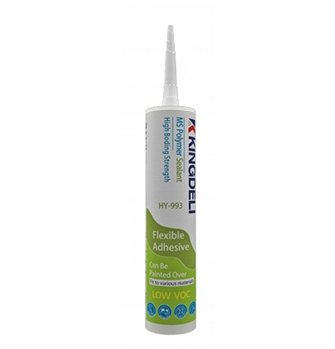
Mix types fade the divide between glue power and barrier bend. Kingdeli’s MS Polymer line shows this change: HY-993 high-strength MS polymer adhesives/sealants give top no-primer grip on most bases. Many pick these mixes now. They blend firm trust with lasting stretch. They fit wide use in building and car fields.
Innovation at Kingdeli: Advancing Adhesive and Sealant Technology
Kingdeli ties new chemistry ideas to everyday use. This drives growth since 1998.
Kingdeli’s Expertise in R&D and Production Excellence
Kingdeli started in 1998. Now it stands as a modern large scale sealant and adhesive manufacturer in Foshan, China. The firm runs a 66 000 m² plant that makes over 60 000 tons each year. Strict ISO/CE/RoHS checks ensure quality from raw checks to final tests. Its research space creates custom mixes for areas from electronics to big builds. This blends world rules with home production skills.
Sustainable Solutions for Modern Industry Needs
Kingdeli stresses green making with low-VOC mixes that fit eco-building rules around the world. Many items, like acrylics such as HY‑972, use water bases but hold up for long seals inside where smell control counts.
This mix of green ways and solid work shapes the new wave of factory joining tech. Here, “adhesive and sealant” options no longer fight. They team up.
FAQs
Q1: What is the main difference between an adhesive and a sealant?
An adhesive joins two surfaces firmly; a sealant closes gaps to block air or liquid and stays flexible.
Q2: Can one product serve both functions?
Yes. Hybrid MS polymer tech mixes strong joining with stretchy blocking for wide factory tasks.
Q3: Are silicone sealants suitable for outdoor use?
Yes; neutral-set silicone kinds fight UV rays and wide heat from −50 °C up to +200 °C based on the mix.
Q4: Why choose polyurethane over silicone?
Polyurethane gives better grip on open surfaces like concrete or rock, while silicone beats it for weather hold on glass or metal seams.
Q5: How long do these products last once applied?
With good surface prep and right pick, top factory adhesives last years in structure. Quality weather sealants keep stretch 10–20 years in usual outside conditions.