
MS Polymer Adhesive Sealants: The Complete Construction Bonding Guide
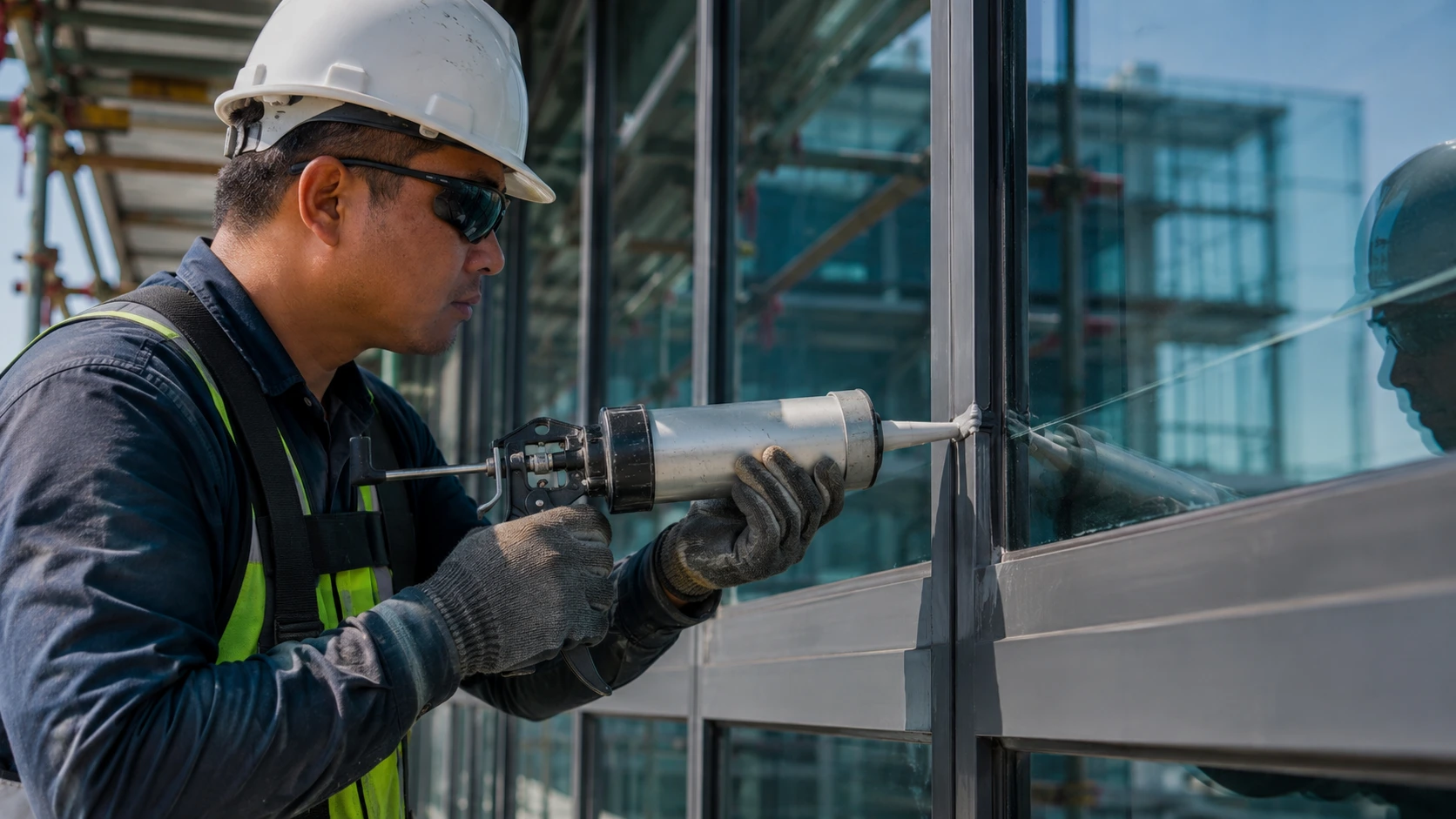
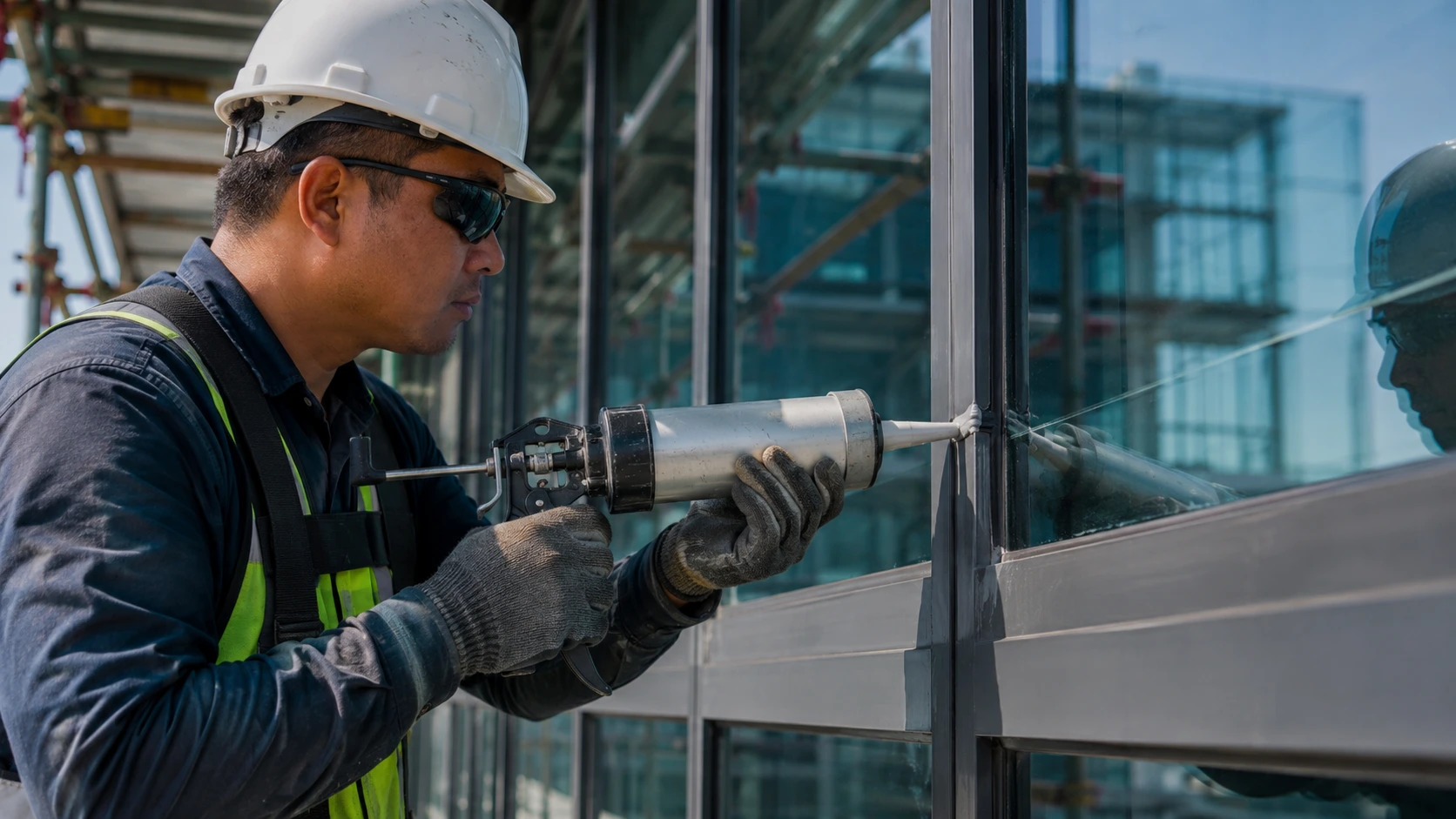
Modern construction depends on materials that hold up well under real stress—both physical and practical. MS polymer adhesives have quietly changed how builders join and seal buildings. They mix flexibility, power, and eco-friendliness in ways that old-school sealants seldom achieve.
What is MS Polymer?
MS polymer means “Modified Silane Polymer.” This hybrid approach blends top traits from silicone and polyurethane. At its core, it uses silane-terminated polyether (SIPE) resin. Unlike silicones that cure with acetic or neutral methods, or polyurethanes that give off isocyanates, MS polymers harden via air moisture. They create flexible elastomers. And they avoid nasty emissions.
Key traits cover high stretchiness, firm grip on many surfaces, resistance to UV light, and the ability to take paint. It stands up great to UV rays, weather, and temperature shifts. So, you can use it inside or outside. Durability pairs with good looks.
The Evolution of Adhesive Sealant Technology
Past adhesives often came solvent-based. Or they stuck to pure silicone or polyurethane types. Rules on volatile organic compounds (VOCs) grew stricter over time. That drove the field to safer options. Hybrids like MS types stepped in. They skip solvents but deliver solid results. Today, in building and making things, this change boosts worker safety. It cuts carbon footprints too. And performance stays high.
Key Features and Advantages of MS Polymer Adhesives
MS polymer adhesives stick tightly to metals, glass, concrete, wood, PVC, ceramics—pretty much any surface on a job site. They bond and seal glass, stainless steel, PVC, PC, ABS, wood floors, galvanized sheets, hardware, siding, aluminum, brick, concrete, ceramic, and all sorts of building materials. They hold steady against UV light or big temperature changes, from cold winters to warm summers. Once cured, you can paint over them. So they fit right into walls or panels without clashing looks.
Comparison with Other Common Sealant Types
Silicone Sealants vs. MS Polymer Sealants
Silicone sealants shine in flexibility. But they often resist paint, and they might not grab well on some plastics or wet spots. Neutral silicone sealants are non-corrosive to metals and cement and exhibit excellent adhesion to most building materials. They maintain good performance over a temperature range of -50°C to +100°C after curing. MS polymers match that bounce but let you paint them. Plus, they harm the environment less since they avoid solvents.
Polyurethane Sealants vs. MS Polymer Sealants
Polyurethanes form tough bonds. Yet they let out more VOCs while curing. They can also turn yellow from UV over time. Even low-VOC PU versions fall short of MS polymers in weather toughness and simple use. MS polymer sealants typically do not require a primer.
Applications of MS Polymer Adhesive Sealants in Construction
From tall building fronts to boat decks—these adhesives appear wherever strength faces tough conditions.
Structural Bonding and Sealing Uses
Builders apply them to curtain wall joints, side panels, window frames, or expansion gaps that shift often. It’s suitable for waterproof sealing of outside concrete wall, metal curtain wall, a luminum alloy window with concrete. Their water-blocking power suits roofs or balcony joins hit by rain often.
Specialized Industrial Applications
In car assembly, they join body parts and soak up shakes. For ships, they stop leaks even in salty water. Their water-proof makeup helps there.
How to Choose the Right MS Polymer Adhesive for Your Project
Picking the best ms polymer sealant means fitting the formula to your setup.
Factors to Consider Before Selection
- Substrate type: Rough stuff like concrete might need a bit thicker layer than slick aluminum.
- Environment: Moisture speeds curing. Strong sun calls for UV-tough mixes.
- Mechanical needs: Bendy versions work for joints that move. Stiffer ones handle heavy loads.
Identifying the Best MS Polymer Sealant for Different Needs
| Application Type | Recommended Features | Example Product Reference |
| General Construction | Multi-surface adhesion & paintable | HY-993 High Strength Ms Polymer Adhesive |
| Waterproofing | Long-term water resistance & flexibility | HY-994 All Purpose MS Polymer Sealant |
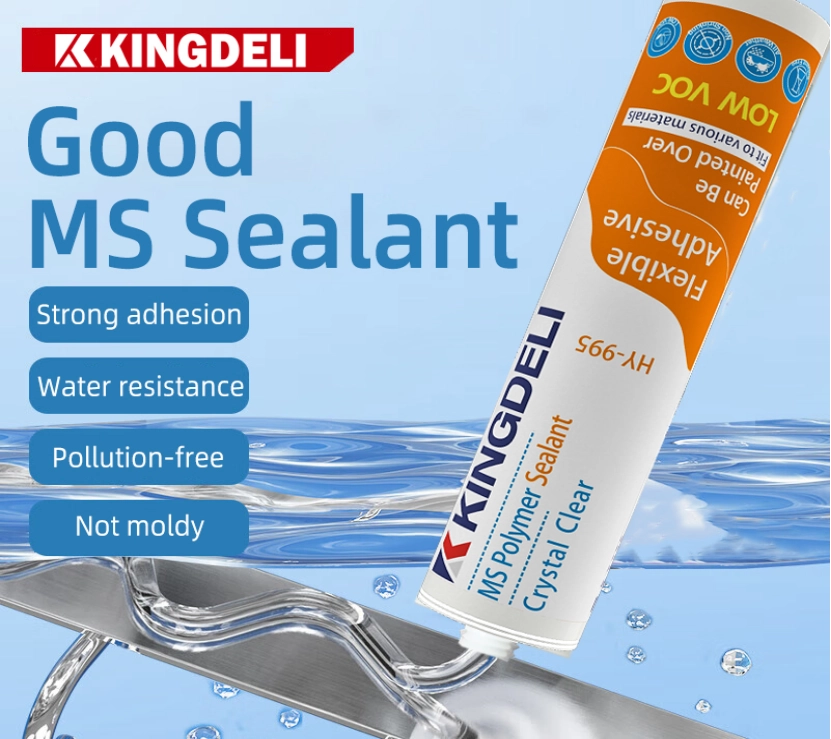
| Transparent Finishes | Crystal clear appearance & strong bonding | HY-995 Crystal Clear Ms Polymer Sealant |
- For General Construction Use: A go-to option like HY‑993 tackles most bonding jobs well. It keeps things eco-safe too.
- For Waterproofing Projects: Mixes like HY‑994 lock out water between different materials in outdoor spots.
- For Vibration or Movement-Prone Areas: Bendy products keep their give without splitting after many stress rounds.
Application Techniques for Effective Bonding with MS Polymers
Good methods decide if an adhesive works as it should.
Surface Preparation Guidelines
Clean surfaces well. Wipe away dust or oil with alcohol cleaners. Porous spots might like a light primer. But most ms polymer adhesives skip that. Their wetting strength handles it.
Proper Application Process
Grab caulking guns or spatulas for even beads. Smooth right after squeezing it out, before the skin sets (often in minutes). Cure time shifts with moisture. More humidity means faster hardening.
Maintenance Tips After Application
Check sealed spots now and then, especially outside. If you need to redo, scrape off old stuff by hand. Then add fresh layers to keep the grip solid.
Why Professionals Choose Kingdeli’s MS Polymer Adhesive Solutions
Now, let’s move from broad talk to hands-on making know-how.
Kingdeli’s Expertise in Adhesive Research and Manufacturing
Kingdeli started in 1998. Today, it runs as a modern large scale sealant and adhesive manufacturer, in Foshan, China. And a leading adhesive R&D center for adhesive. The plant covers over 66,000 square meters. Strict checks make sure each batch hits global marks like ISO and CE certifications.
Product Range Tailored for Construction Needs
General Purpose Construction Sealants
Kingdeli supplies all-around ms polymer adhesives. They join metals, plastics, glass, and stone. Tests under ASTM C920 standards confirm steady work in various weathers.
High-Durability Waterproofing Solutions
HY-992 modified polyurethane sealant for constructionGood sealing performance, no corrosion and no pollution to based material and environmental friendly. Good bonding performance with cement and stone. These items show how the company weaves green thinking into practical builds. They fit harsh outdoor spots too.
Global Supply Capability and Customer Support
With over 10 years export experience, KINGDELI provide professional service to clients form oversea market. OEM and small quantity order are available. We pursuit long term business, and win-win relationship with the customers. Their tech crew helps builders around the world. They guide on picking mixes and fine-tuning how to apply. Logistics match the product’s reliability.
Future Trends in MS Polymer Adhesives for Construction Innovation
The coming years should drive hybrid tech deeper into everyday building designs.
Advancements in Hybrid Technology Development
Fresh polymers boost stretch hold under pressure. They also improve no-primer grip on odd surfaces like composites or coated metals.
Sustainability Focus in Modern Adhesive Production
Makers turn to reusable packaging and plant-based ingredients. These cut carbon output without losing quality. It lines up with worldwide green building rules.
FAQs
Q1: What is ms polymer used for?
It’s used for bonding and sealing various construction materials such as metal panels, glass facades, wood flooring joints, vehicles or marine components requiring durable flexibility.
Q2: How long does ms polymer adhesive take to cure?
Depending on humidity levels it typically skins within minutes but reaches full cure within 24–48 hours at room temperature.
Q3: Can ms polymer adhesives be painted over?
Yes—they accept most industrial paints once fully cured unlike many silicone-based sealants.
Q4: Are ms polymer adhesives environmentally safe?
Yes—they are solvent-free with low VOC emissions making them safer both for users and indoor environments.
Q5: Which factors affect ms polymer performance outdoors?
UV exposure intensity, surface cleanliness before application and ambient humidity during curing play major roles in long-term durability outcomes.