
How to Select Sealant for Joint Sealing on Prefabricated Buildings
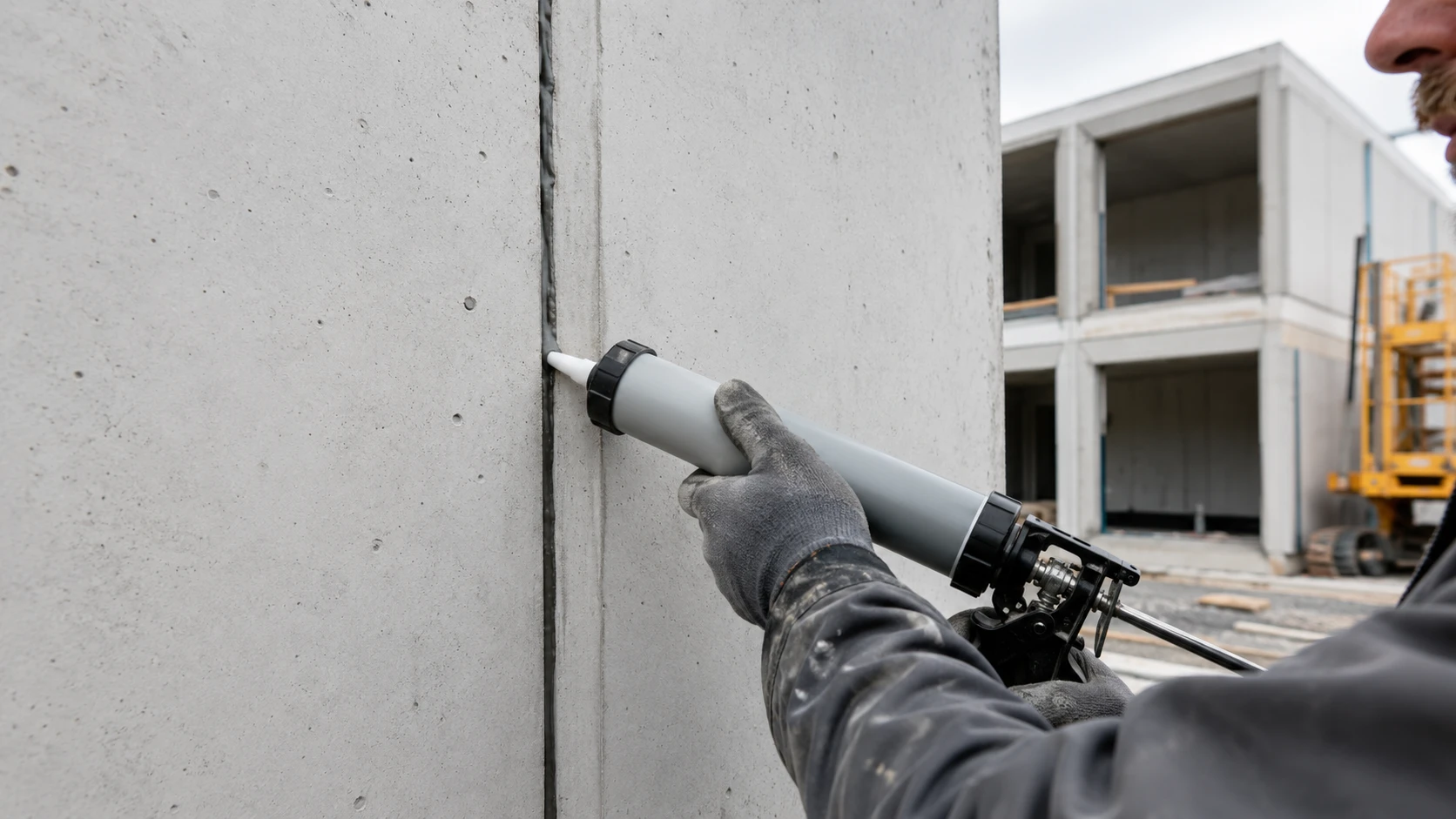
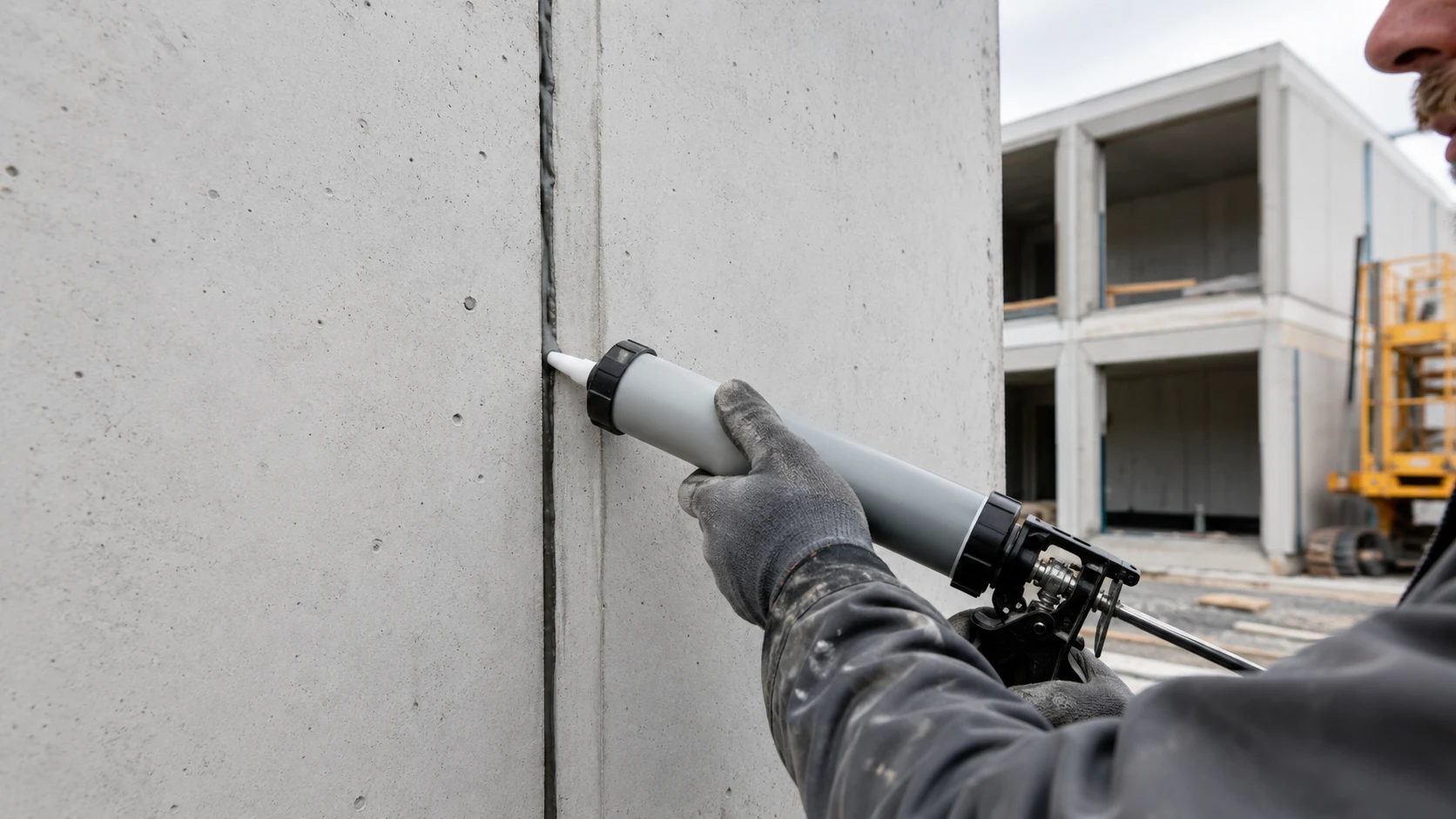
Selecting the right precast joint sealant isn’t just a technical choice. It’s a decision that directly impacts how well a prefabricated building holds up over time. A suitable sealant keeps joints watertight. It boosts energy efficiency. And it stands strong against movement and harsh weather. If you pick poorly or install it wrong, though, leaks, cracks, and expensive fixes often follow.
Why Joint Sealing Matters in Prefabricated Construction
In modular or precast construction, joints go beyond mere seams. They act as structural links that endure environmental pressures. Good sealing stops water from getting in. It blocks air leaks. And it prevents thermal bridging. All these issues influence durability and energy use. Pick a solid sealant, and you get a building envelope that stays intact. Plus, it flexes enough to manage panel shifts from heat changes or added loads.
Common Challenges in Precast Joint Sealing
Joint sealing in precast structures brings distinct hurdles:
- Differential movement between panels from expansion or contraction.
- Long-term exposure to UV rays, rain, and atmospheric pollutants.
- Chemical incompatibility between sealants and concrete coatings.
These elements highlight the need for a product made just for concrete joints. It should offer strong elasticity and solid weather resistance.
Key Factors to Consider When Selecting a Sealant
Before you choose a precast concrete joint sealant, weigh its compatibility, resistance to the environment, and flexibility. These qualities determine if it will last reliably.
Compatibility with Precast Concrete Materials
Sealants need to stick firmly without harming or discoloring the base material. Neutral cure silicone types work best. They avoid corroding cement-based surfaces. This makes neutral silicones a great fit for concrete facades. There, both grip and looks count a lot.
Environmental and Weather Resistance Requirements
Joints outside face nonstop exposure. They must handle it well. Weather-resistant neutral silicone sealant possesses superior physical properties, such as excellent water resistance, UV resistance, and weather resistance; it is non-corrosive to metals, coated glass, concrete, and marble. These traits deliver steady results through freeze-thaw cycles or heavy rain. Such weather hits exterior facades often.
Movement Capability and Flexibility
Buildings shift a bit each day from wind or temperature shifts. A decent sealant stretches without ripping. Weather-resistant sealants used for curtain walls are typically categorized by displacement capacity as grade 20, 25, 35, 50, +100, or -50. Grade 25 means it can withstand a change in the sealant joint width within ±25%. So, go for products with at least ±25% movement capacity. That way, the seal stays sound even under pressure.
Types of Sealants Suitable for Prefabricated Buildings
Various joint situations demand certain chemical types. Here are three key groups commonly used in prefabricated setups.
Silicone Sealants for Long-Term Durability
Silicone tops the list for facade joints due to its bounce-back quality and UV steadiness. HY-2300 Outdoor Neutral Silicone Sealant is suitable for glazing and weatherproofing with excellent anti-aging properties; keeps good performance between -50℃~+150℃ after curing. It’s ideal for vertical joints in direct sun or wild temperature swings. Longevity is key there.
Polyurethane Sealants for Strong Adhesion and Versatility
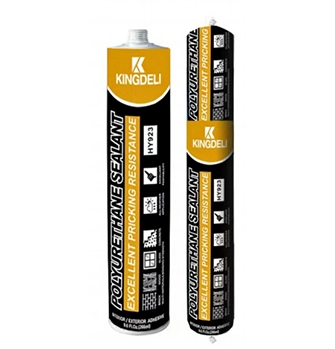
Polyurethanes cling tightly to porous stuff like concrete. Yet they stay pliable for joints that move. HY-923 Low Modulus Polyurethane Sealant is a one-component low modulus flexible durable sealant suitable for various joints sealing with movement requirement; excellent adhesion to concrete substrates; sealing drains reservoirs sewage pipes. You can paint over them too. That’s handy when you want color to match across facades.
Hybrid Polymer Sealants as a Modern Alternative
Hybrid polymers, based on MS polymer technology, blend silicone’s give with polyurethane’s sticking power. HY-994 All Purpose MS Polymer Sealant is solvent-, silicone-, and isocyanate-free with excellent UV resistance; primerless bonding to most substrates; suitable for waterproof sealing of outside concrete wall or aluminum alloy window with concrete joints. They set fast with little smell and low VOC. Many find them perfect for eco-friendly projects that stress good indoor air.
Practical Steps for Choosing the Right Precast Joint Sealant
After grasping the material options, match your pick to the project’s unique setup.
Evaluate Project Conditions Before Selection
Look at joint width first. Then check expected movement. Note climate exposure too. Consider how you’ll apply it. Dive into manufacturer datasheets. Properties like stretch percentage or firmness show if the item fits dynamic facades or steady interior spots.
| Property | Recommended Range | Purpose |
| Elongation at break | ≥ 300% | Accommodate expansion/contraction |
| Hardness (Shore A) | 20–40 | Balance flexibility & strength |
| Service temperature | -50°C to +150°C | Withstand outdoor climate |
Conduct Adhesion Tests on Site Materials
Top sealants can act differently based on surface texture or dampness. Run small tests on real panels before going big. This confirms steady bonding in your local setup.
Consult with Sealant Manufacturers or Technical Experts
Seek advice from experts to match products to your needs. Partnering with a knowledgeable supplier like Kingdeli gives you lab testing help. You also get custom tips based on your climate or install conditions.
Installation Tips for Effective Joint Sealing on Prefabricated Structures
Picking the material covers only part of the job. Success also hinges on careful prep and smart application.
Surface Preparation Before Application
Clean all surfaces well. Wipe away dust or leftover mold release from precasting. If the maker suggests it, add primer. This boosts the bond between base and sealant line.
Proper Application Techniques
Grab pro caulking tools. Apply steady pressure to fill gaps smoothly. Tool the surface right after squeezing it out. That ensures the line touches both joint sides fully. It cuts down on empty spots that might hold water down the line.
Curing and Maintenance Considerations
Let it cure completely before joints face wind or rain stress. For silicone options like HY-3300 or hybrids such as HY-994, curing usually takes 24–48 hours in normal humidity. Plan checks every couple of years. Reapply where cracks show from wear or building shifts.
Why Choose Kingdeli as Your Sealant Partner
Steady supply lines count as much as strong formulas when you handle prefab sites in different areas.
Expertise in Precast Concrete Joint Solutions
Kingdeli brings years of know-how in making high-performing precast joint sealants. We tailor them for today’s modular building systems around the world.
Commitment to Quality and Innovation
The company upholds tight QC steps. We check from raw materials to final shipment. This guarantees every batch hits global durability marks like ASTM C920 certification. Strictly quality control make the reliable products.Our QC team inspect the quality from raw materials,to finished products.Ensure all the products are meet the specific quality standard before shipment.
Global Supply Capability with Reliable Support
Kingdeli draws on broad export background from the early 2000s. We offer dependable logistics. You also get personalized tech help during design for tricky facade jobs. It’s a big plus when batch consistency matters most.
FAQs
Q1: What type of sealant works best for exterior precast panels?
Neutral cure silicone sealants are generally preferred because they resist UV radiation and adhere well to concrete surfaces without corrosion risk.
Q2: Can polyurethane sealants be painted after curing?
Yes. Most polyurethane-based precast joint sealants can be painted once cured fully—ideal when matching façade colors is necessary.
Q3: How do I know if my chosen product meets movement requirements?
Check its classification (e.g., ±25% movement capability) according to ASTM C920 or similar standards listed in technical datasheets.
Q4: Are hybrid polymer (MS) sealants environmentally safe?
They contain low VOC levels and are free from solvents or isocyanates—making them suitable for green building certifications like LEED compliance.
Q5: How often should sealed joints be inspected?
Visual inspection every two years helps detect early signs of wear such as cracking or detachment before water damage occurs.