
Best Silicone Sealant for Glass: How to Choose the Right Type
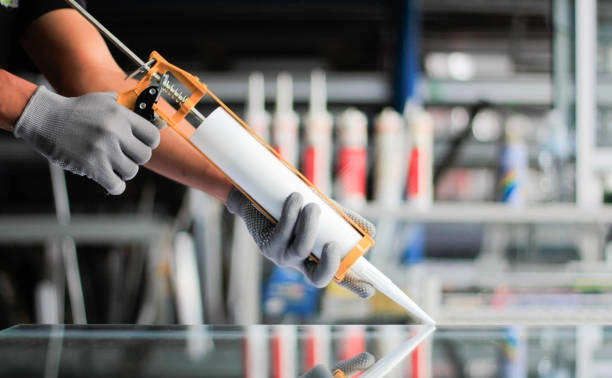
When you are working with a window joint it can be next to lots of things like glass, special aluminum, concrete, paint and a gasket. A facade joint has a tough job because it has to deal with movement and bad weather and also be able to withstand the suns rays for a long time. On the hand a shower enclosure needs something that will stick well and keep water out.
The best silicone sealant to use on glass is not about the glass it is about what you are using it for.
What Makes Silicone Sealant Suitable for Glass?
Silicone is often used on glass because it sticks well and stays flexible for a time. After it dries it can handle movement without getting hard. This is important near windows, doors, walls and other parts that move because of heat.
It also stands up to water, sunlight and changes in temperature.
Glass does not have pores so how the surface looks is important. Dust, oil, water or leftover stuff, from installation can make the glue not work well even if the sealant is right.
Which Type of Silicone Sealant Is Best for Glass?
The right type depends on what the joint is expected to do.
Neutral Cure Silicone Sealant
Neutral cure silicone is often the most practical choice for glass used with aluminum, stainless steel, coated metal, and other construction materials.
It is commonly used for windows, doors, perimeter glazing, curtain walls, and glass to aluminum sealing. Its curing system is generally more suitable for mixed material joints where corrosion or substrate compatibility is a concern.
An aluminum window is a good example. The sealant may contact glass, powder coated aluminum, and a cement based edge within one joint. Neutral cure silicone usually gives more compatibility across that combination.
Acetoxy Silicone Sealant
Acetoxy silicone sealant works fast and it sticks very well to clean glass that is not porous. People usually use the acetoxy silicone sealant for things like shower screens and glass partitions.
They also use the acetoxy silicone sealant for display glass. When they need to join two pieces of glass together. The acetoxy silicone sealant is a choice, for these kinds of jobs because it is easy to use and it works well with glass. It can also be economical for general sealing work.
The limitation is compatibility. Its acidic curing system may not suit certain metals, mirrors, coated surfaces, or sensitive materials. If the joint contains more than glass, check the adjacent substrate before use.
Structural Silicone Sealant
Structural silicone sealant is designed for applications where the sealant contributes to load transfer between the glass and supporting frame.
Typical uses include structural glazing, curtain walls, and commercial glass façades. Joint dimensions, substrate preparation, compatibility, cure conditions, and project testing all matter here.
A general purpose silicone should not be substituted. “High strength” on a label does not mean a product is suitable for structural glazing.
Weatherproof Silicone Sealant
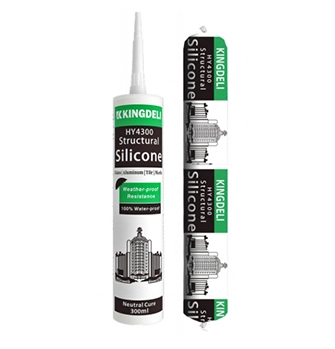
Weatherproof silicone sealant is primarily used to protect exterior wall joints from rain, UV radiation, temperature variations, and repeated movement.
It is widely used in perimeter joints of exterior walls, exterior glass, curtain walls, and window systems. For these applications, flexibility and long-term adhesion are often more important than maximum tensile strength.
How to Choose the Best Silicone Sealant for Your Glass Application
Selection becomes easier when the whole joint is considered.
1. Consider the Application
Start with the job the sealant must do.
A shower enclosure needs water resistance. A window perimeter joint needs weather resistance and flexibility. Structural glazing requires a product specifically designed for structural bonding.
Using a structural product everywhere is unnecessary. Using general purpose silicone where structural performance is required is a serious mistake.
2. Check the Adjacent Materials
Glass is often installed with aluminum, stainless steel, concrete, ceramic, coated panels, or painted metal.
A sealant may bond well to glass but poorly to the material beside it. Powder coated aluminum is a common example; visually similar profiles can have different surface treatments.
Neutral cure silicone is often a practical starting point for mixed material joints, but adhesion testing is still worth doing.
3. Consider Indoor vs Outdoor Use
Outdoor glazing faces UV radiation, rain, heat, cold, dust, and repeated thermal movement.
For exterior projects, use a silicone designed for weather exposure. A general purpose indoor product may look fine after installation but harden, crack, discolor, or lose adhesion later.
4. Check Movement Capability and Elasticity
Frames constantly expand and shrink. Building panels move slightly.
Joints open wider and close tighter. The silicone must stretch smoothly and recover its shape. It should do this without tearing or detaching from the substrate. For windows, façades, and active movement joints, always compare the rated movement capability against the specific joint design.
5. Verify Adhesion and Compatibility
A small adhesion test can prevent a large repair job.
Use the actual glass, aluminum profile, coating, gasket, or other project material. Apply the proposed silicone, allow it to cure correctly, then check the bond.
This is especially useful for coated glass, laminated glass, painted profiles, and unusual façade materials.
Best Silicone Sealant for Common Glass Applications
A practical starting point is:
| Application | Recommended Silicone Type |
| Windows and doors | Neutral cure silicone |
| Glass + aluminum | Neutral cure silicone |
| Shower enclosure | Acetoxy or sanitary silicone |
| Exterior glazing | Weatherproof silicone |
| Curtain wall | Structural / weatherproof silicone |
| Glass façade | Structural silicone |
| General glass sealing | Neutral or acetoxy silicone |
These are not fixed rules. A curtain wall, for example, may use structural silicone in one joint and weatherproof silicone in another.
Common Mistakes When Choosing Silicone Sealant for Glass
Common mistakes include:
- Choosing silicone based only on price
- Using an acidic sealant on incompatible metal surfaces
- Ignoring joint movement requirements
- Applying sealant to dusty, oily, or wet glass
- Using generalpurpose silicone for structural glazing
- Failing to perform compatibility testing
- Selecting an indoor sealant for longterm outdoor exposure
Surface preparation is often underestimated. Glass can look clean while still carrying fingerprints, oil, or installation residue. The sealant then bonds to contamination rather than the glass.
Silicone Sealants for Glass from KINGDELI
KINGDELI develops and manufactures sealants and adhesives for construction, glazing, bonding, waterproofing, and related applications.
Relevant product include:
- Neutral silicone sealants
- Acetoxy silicone sealants
- Structural silicone sealants
- Weatherproof silicone sealants
- Insulating glass silicone sealants
For distributors, contractors, importers, and private label buyers, product selection should begin with the actual application, considering factors such as substrate, seam movement, indoor or outdoor exposure, curing requirements, color, and packaging.
Conclusion: Choose Silicone Based on the Application, Not Just the Material
Glass alone does not determine the right sealant.
Neutral cure silicone works well for many glass and aluminum applications. Acetoxy silicone suits straightforward glass sealing where surrounding materials are compatible. Structural glazing requires dedicated structural silicone, while exterior joints need weather resistance and reliable movement capability.
Looking for a reliable silicone sealant for your glass project?
Contact KINGDELI to discuss your application and find the right sealant solution.
FAQ
Q: What type of silicone sticks best to glass?
Both neutral cure and acetoxy silicone can bond well to clean glass. The better choice depends on surrounding materials and the function of the joint.
Q: Is neutral cure silicone good for glass?
Yes. It is widely used for glass, aluminum, windows, doors, and construction glazing, especially where compatibility with metal substrates matters.
Q: Can silicone sealant be used to bond glass to aluminum?
Yes. Neutral cure silicone is commonly used for glass to aluminum sealing and bonding. Adhesion testing is recommended for demanding applications.
Q: Can regular silicone be used for structural glazing?
No. Structural glazing should use a silicone specifically designed and tested for structural applications.