
Best Silicone Sealant for High Temperature Applications
Why High Temperature Applications Need the Right Silicone Sealant
Standard sealants often break down fast in very hot areas. The main cause is not just the heat. It is actually the mix of different stress factors. A joint or flange goes through regular heating and cooling cycles. During these cycles, different materials expand and shrink at varying speeds. Eventually, this constant shifting ruins the bond. It can also create cracks in the solid sealant layer.
You can see this clearly in car engines or large industrial ovens. After just a few months, oil might leak around the gasket edges. Sometimes, exhaust joints begin to let out fumes. This failure does not happen due to poor application. Instead, it happens because the product was never made for such tough conditions.
What is the best silicone sealant for high temperature applications?
The right choice relies on a few details. You must know how long the seal needs to last while facing both high heat and physical stress.
What Makes a Silicone Sealant Suitable for High Heat?
A solid heat resistant silicone sealant offers more than just a high number on the package. The top temperature limit only gives you a small piece of the picture. You also need to look at the continuous service temperature. This steady limit is normally much lower than the short peak ratings. For example, a product might claim a 300 °C peak. However, it might only survive 250 °C on a daily basis without getting stiff.
Bouncing back after setting is very important as well. Once it dries, the silicone must stay quite flexible. This flexibility helps it take in shaking and temperature shifts without breaking apart. The material must fight off aging, cracking, and shrinking. These traits decide how strong the bond stays over many months or years. Some industrial setups have floating oil mist or coolant vapor. In these places, fighting off chemicals is just as crucial as surviving the heat. .
Acetic vs. Neutral Cure: Which One Should Buyers Consider?
Acetic cure silicones let out acetic acid while they dry. This trait provides excellent grip. It also helps form a fast outer skin on glass, ceramics, and certain metals. Workers often pick these for industrial sealing tasks. They work great when speed is a priority and the chance of rust is low. Still, buyers must check material safety first. You should be careful before applying them on sensitive metals like copper or brass. The acidic vapors can easily cause rust over a long period.
Neutral cure silicones take more time to dry. However, they are much safer for electronic parts or painted surfaces. This is because they do not release any acid as they set. You might face high temperature sealing jobs, like fixing oven doors or exhaust pipes. In these cases, either type can do a great job. You just have to match it right with the base material and the room conditions.
Typical High Temperature Sealing Applications
You can find high temperature silicone sealants in many places. They secure car engine gaskets, fuel pump covers, and heavy machinery joints. In home kitchens, people apply them around hot ovens or stovetops. Inside large factories, workers use them to seal duct seams and furnace panels. These spots deal with endless heating and cooling cycles. A place might face high heat along with shaking, oil mist, or dampness. These harsh spots always need a special mix instead of a basic RTV silicone.
Some jobs mix intense heat with heavy oil contact. A good example is the area near an engine valve cover. In this situation, a buyer should not look only at the temperature limits. Fighting off oil is highly important too. The material must also bounce back well after being squeezed for a long time. These specific traits keep the seal strong between regular service checks.
What Temperature Range Should a Good Heat Resistant Silicone Sealant Cover?
Can silicone sealant withstand 300 °C?
Many choices can handle these high peaks for a short time. However, they cannot survive that heat constantly without breaking down. A smartly designed mix needs to stay stable across a wide range. It should hold up from freezing cold up to several hundred degrees Celsius. At the same time, it must keep a strong grip during endless heating and cooling shifts.
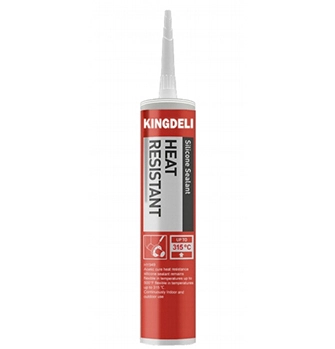
In real conditions—like an engine startup followed by cooldown—the material must resist both expansion stress at high temperatures and brittleness at low ones. Industrial-grade silicones such as KINGDELI HY‑949 are formulated for these extremes, providing reliable sealing performance in automotive assemblies and heavy-duty machinery where consistent exposure above 250 °C occurs.
Practical Buying Tips from a Sealant Manufacturer
Before purchasing any heat resistant silicone sealant, check several parameters carefully:
- Operating temperature range (both continuous and peak)
- Contact media such as oil, water, antifreeze, or industrial fluids
- Substrate type (metal, glass, composite)
- Curing method (acetic or neutral)
- Color preference and packaging size
- Intended use as gasket replacement or reinforcement of pre-cut gaskets
These points decide if a product will actually work well in your exact setup. They matter much more than a basic claim on a data sheet. You might look at different choices online or through a supplier. While doing this, think about how every feature fits your specific work area. Do not just hunt for the highest temperature number on the box.
Final Thoughts: Choose by Application, Not Only by Temperature
The best high temperature silicone sealant is not always the one with the biggest printed number. The real winner is the one that stays tightly closed under actual daily stress. It must handle heat shifts, heavy shaking, and liquid contact. It must also keep its stretchiness many months later. Your final choice should always match your exact job details. You should never rely only on bold marketing claims.
A skilled manufacturer can suggest the perfect mix for your needs. Contact KINGDELI today to discuss your sealing requirements and find the right heat resistant silicone solution for your project.
FAQ
Q1: What makes silicone better than other types of high-temperature sealants?
Silicone keeps its soft stretch across very wide heat ranges. Meanwhile, many other plastics just turn hard or break apart.
Q2: Can I use regular bathroom silicone around an oven door?
No, you cannot. Standard bathroom mixes break down quickly above 150 to 180 °C. They also let out bad smells when they get too hot.
Q3: How long does a high-temperature silicone last in engine environments?
The total lifespan can change a lot. However, a high-quality mix can easily last for several years. You just have to apply it correctly on very clean surfaces with no oil left behind.
Q4: Is color important when choosing a heat resistant silicone?
It mostly matters for looks. Even so, darker shades sometimes point to a higher filler amount. This extra filler is often great for heavy industrial jobs.
Q5: Can I apply it directly on oily metal surfaces?
You must always clean the grease off first. Oil stops the glue from grabbing the metal properly. This rule applies no matter how good the product is.