
How to Choose the Best 100% Silicone Sealant
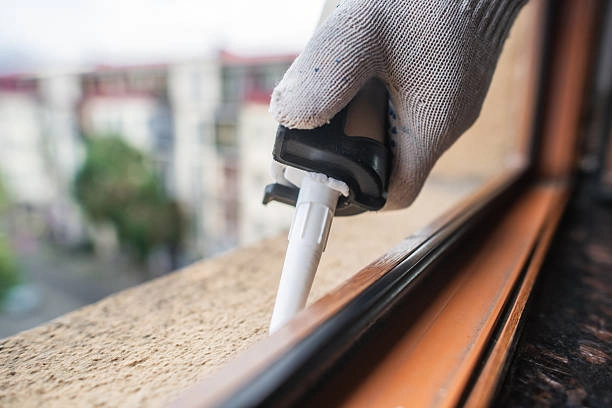
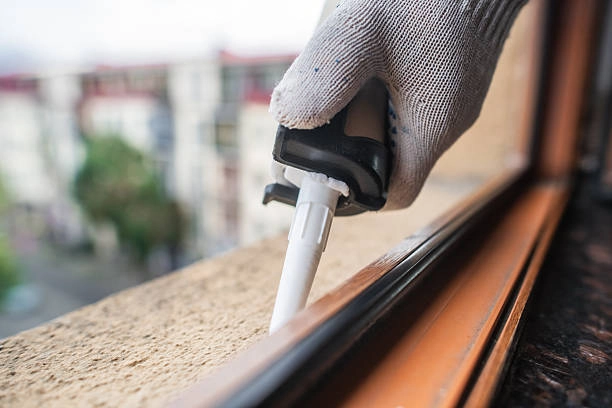
What is “100% Silicone”? Why It Matters for Your Project
The term “100% silicone” appears frequently in the building industry. However, it represents more than simple advertising. This label indicates that the product consists entirely of silicone polymers. It contains no extra fillers or plasticizers that might reduce overall quality. Pure silicone remains highly flexible. It blocks harmful UV rays effectively. In addition, it avoids shrinking or breaking over long periods. As a result, builders rely on it for curtain walls, window joints, kitchen areas, and fish tanks.
The key here is “100% silicone.” It ensures durability and elasticity even between -50℃ and +200℃ after curing. In real-world use—say a glass facade exposed to both summer heat and winter frost—that stability matters more than the label on the tube.
Critical Choice: Neutral-Cure vs. Acetic-Cure Silicone
Selecting between neutral-cure and acetic-cure silicone sealants is a vital decision. It can completely determine the success of your work. The underlying chemical makeup controls how the substance reacts with base materials. These materials include metal, solid concrete, or clear glass.
Neutral Silicone Sealant
Neutral-cure silicones are non-corrosive and low-odor. They’re ideal for sensitive materials such as marble or coated metals. It shows no corrosion to metal or cement and keeps good performance between -50℃ and +100℃ after curing. That range covers most architectural environments—from indoor joints to outdoor frames exposed to rain or sunlight.
Neutral silicones are also easier on installers working in enclosed spaces because of their low VOC content and mild odor. They bond well to glass, aluminum, tiles, marble—basically most building materials encountered in modern construction.
Acetic Silicone Sealant
Acetic-cure silicones release acetic acid during curing—think vinegar smell—which can corrode some metals but provides excellent adhesion to glass and ceramics. It maintains elasticity from -50℃ to +150℃ after curing.
Certain jobs require high clear visibility and strong water protection. These include fish tank building or setting up massive glass sheets. For these tasks, the base material sensitivity is less important. In these cases, acetic types work wonderfully. HY-732 acetic silicone sealant is solvent-free silicone sealant that does not contain chemicals harmful to living organisms in its content. It’s 100% silicone and safe for aquariums—a detail many overlook until fish start suffering from toxic residues.
How to Choose Silicone Sealant by Application
Not all jobs are equal; neither are sealants. Matching formulation to environment is what separates a clean finish from premature failure.
Kitchen and Bathroom
Damp spaces feature continuous moisture that tests bonding strength. In these areas, an acetic-cure silicone usually works very well on smooth tiles and glass shower doors. However, you might use metal fixtures or real stone counters. If so, neutral-cure options stop rust and ugly marks. At the same time, they keep their flexibility around washbasins and bathtubs.
Window and Door Sealing
For window perimeters exposed to sun and rain cycles, neutral silicones provide superior weathering resistance without attacking painted frames or masonry surrounds. Their movement capability handles seasonal expansion gaps without peeling.
Masonry and Concrete
Concrete gaps strictly require neutral-cure sealants. This is because acetic acid can react badly with basic minerals found in cement mixtures. A correctly placed line of neutral silicone takes in building shifts easily. It also fights off damage from sunlight. This protection is essential for outer building walls and ready-made concrete sections.
Food Contact and Aquarium
You should only look at 100% silicone mixtures that hold official food-safe approvals for these uses. They need to dry completely without letting out harmful leftovers or bad smells. Such emissions could harm water purity or stored food items. Acetic types may sometimes be used in aquariums if explicitly rated safe by the manufacturer; otherwise, neutral grades remain the conservative choice.
Our Professional Solutions
Professional-grade products simplify selection when specifications demand reliability.
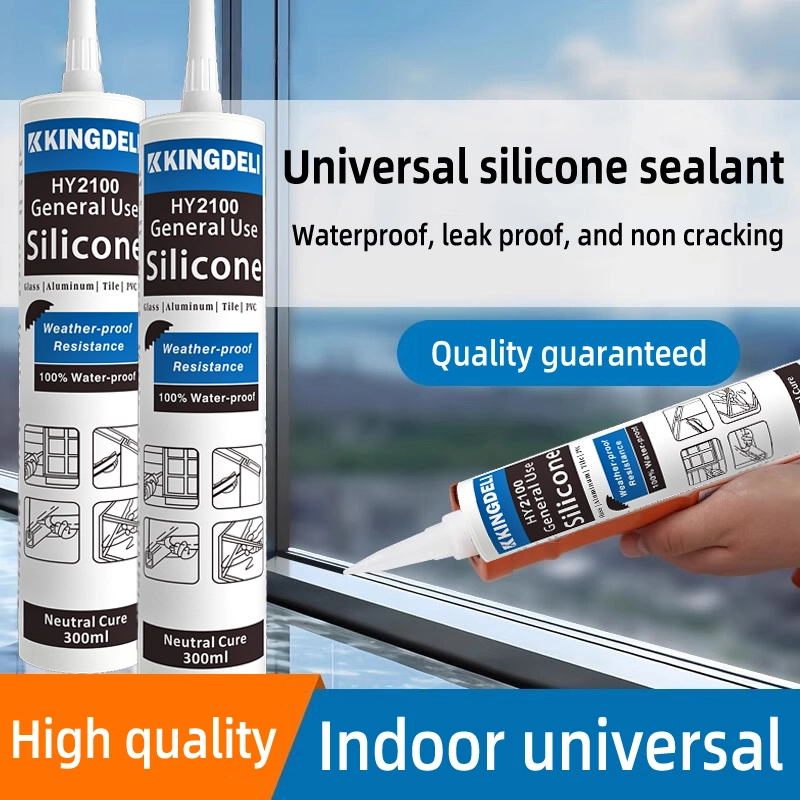
HY-2100 General Use Neutral Silicone Sealant
HY-2100 General Use Neutral Silicone Sealant exhibits no corrosion to metal or cement; low VOC; low odor; no sag; operation temperature between 4℃ and 40℃; excellent bonding property for most building materials; keep good performance between the temperature of -50℃~+100℃ after curing. In practice this means you can apply it on windowsills in humid climates without worrying about discoloration or cracking.
HY-732 Acetic Silicone Sealant
HY-732 Acetic Silicone Sealant for Large Glass Wall has very high physical resistance and a high adhesive power; it can be used in environments constantly exposed to water. It’s been tested under GB 16776-2005 standards ensuring reliability in structural glazing tasks where safety margins are narrow.
Common Mistakes When Choosing Silicone Sealant
A frequent error is assuming all silicones behave alike. Using acetic types on marble leads to surface corrosion lines that can’t be polished out later. Another mistake—mixing brands within the same joint system—can cause compatibility issues during curing because additives differ slightly across manufacturers.
Some users ignore shelf life entirely; expired cartridges lose elasticity even before application. KINGDELI specifies cartridge 9 months/12 months storage depending on packaging type—a small detail that prevents costly rework down the line.
Conclusion: Make the Professional Choice for Long-Term Success
A project’s longevity often depends less on design drawings than on what seals its edges against air and water intrusion. KINGDELI’s products cover almost every scenario an engineer might face onsite. Each formula carries international certifications like ISO, CE, TUV SÜD ensuring consistent quality control from raw material through shipment.
Strictly quality control make the reliable products.Our QC team inspect the quality from raw materials,to finished products.Ensure all the products are meet the specific quality standard before shipment.
Frequently Asked Questions
Q1: Can I use one type of silicone sealant for all materials?
No, material compatibility differs; neutral-cure works broadly across surfaces while acetic-cure suits non-metallic ones like glass or ceramic.
Q2: Why does my new sealant smell like vinegar?
That odor indicates an acetic-cure formulation releasing acetic acid during curing—a normal reaction but unsuitable near sensitive metals.
Q3: Are all “100% silicone” products truly pure?
Not necessarily; some blends include fillers despite labeling claims. Always check technical data sheets confirming no acrylics or latex additives.
Q4: How long does silicone last outdoors?
High-quality 100% silicones can perform effectively beyond 20 years when applied correctly on compatible surfaces.
Q5: Can I paint over cured silicone?
No—paint will not adhere properly due to the slick surface energy of cured silicone polymers; choose color-matched sealants instead.