
How to Select Sealants for Aluminum Windows and Doors
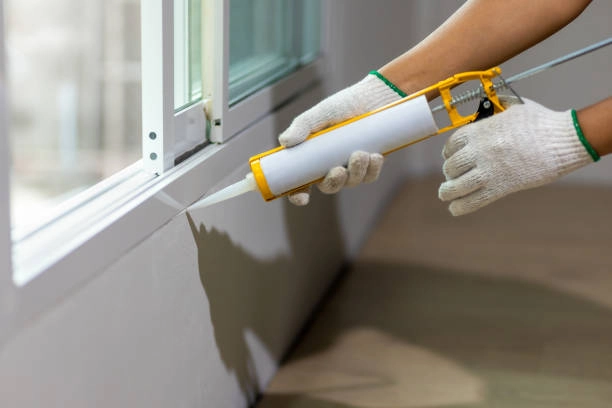
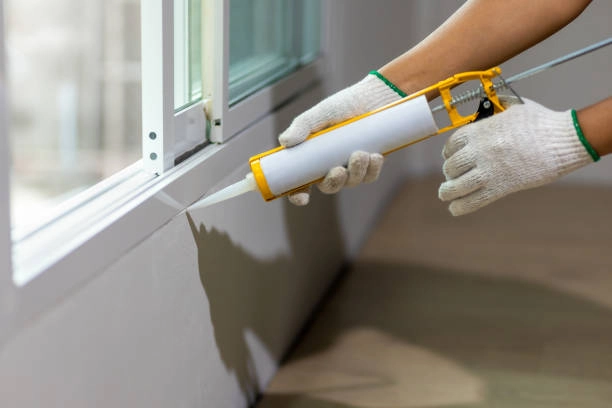
Aluminum windows and doors rely heavily on proper sealing for good performance. Even a tiny gap can ruin a precise system. Sealants serve a vital function in this area. They block air, water, and noise. At the same time, they allow the building structure to shift naturally during temperature changes.
Why Are Sealants Essential for Aluminum Systems?
Applying a window sealant or door sealant correctly stops air and water leaks. These leaks can easily harm indoor comfort and waste energy. Sealing is not merely about blocking rain. It also maintains pressure balance. This stops condensation from forming inside the frames. Moisture acts as a hidden threat to aluminum. The metal itself does not rust. However, trapped water speeds up corrosion near joints or beneath surface coatings. Choosing the correct sealant creates a solid barrier. This barrier prevents the corrosion process completely.
Sound control is another major factor. City buildings depend on fully sealed systems to lower outside street noise. Poor sealing causes even the best glass panels to lose their effectiveness. Structural stability improves as well. Sealants spread stress evenly across joints. This reduces wear at connection points during strong winds or heavy vibrations.
What Makes Aluminum a Unique Substrate for Sealing?
Aluminum features a smooth, non-porous surface. This characteristic makes bonding quite difficult. A sealant needs to hold tightly without depending on a rough texture. Because of this, builders strongly prefer high-performance mixtures in architectural work. These usually include silicone or hybrid polymers. Thermal expansion presents another serious challenge. Metal frames expand and shrink much more than nearby glass or brick. A stiff sealant will easily crack under these shifts. Therefore, flexibility remains crucial for keeping the seal intact over the years.
Surface coatings create extra challenges. Powder-coated or anodized finishes sometimes react with specific sealant chemicals. This reaction leads to ugly stains or a weak bond. Testing for compatibility is absolutely necessary. It serves as a standard design practice for professionals handling aluminum systems.
Key Factors to Consider When Selecting a Sealant
Picking among silicone, polyurethane, and hybrid options goes beyond personal choice. It requires matching the material traits to specific environmental needs.
How to Choose Between Silicone, Polyurethane, and Hybrid Sealants?
Silicone sealants lead the market for exterior glass work. They block UV rays much better than most other polymers. These products remain flexible for decades. They do not turn powdery or shrink in direct sunlight. This makes them perfect for curtain walls and exposed window joints where long life is critical. Polyurethane sealants provide a much stronger grip on rough materials like concrete or wood.
You can also paint over them once they dry. This feature makes them highly useful around door frames within mixed-material building fronts. Hybrid MS polymer sealants offer the best of both types. They mix great flexibility with safe, eco-friendly chemistry and low VOC levels. This makes them a smart fit for green building projects that demand strict environmental rules.
Evaluating Performance Requirements for Doors and Windows
Checking performance starts with looking at environmental exposure. Indoor areas face very little UV light but still require airtight seals. Outdoor joints handle rain, strong winds, and daily temperature shifts. The movement rating must align with the frame’s physical changes. For example, large sliding doors can expand several millimeters per meter when heated.
Drying time directly impacts project schedules. Material hardness determines the amount of vibration a joint can take before breaking. Finally, the service temperature range decides if the seal can endure freezing winters or hot desert summers over the long term.
Compatibility and Application Considerations
Even top-tier products will fail if workers apply them poorly.
How to Ensure Proper Adhesion on Aluminum Surfaces?
Preparing the surface matters more than picking the exact chemical formula. Workers must remove all oil, dust, and rust before using any door sealant or window sealant. Certain makers suggest lightly sanding the area first. After that, a solvent wipe helps uncover fresh metal under the dull layers.
Primers are sometimes needed for coated surfaces. They work as chemical bridges to boost the bond between different materials. Before starting the main job, teams should run quick adhesion tests on tiny sections using actual site conditions.
Common Mistakes When Applying Window or Door Sealant
A frequent error involves working on wet surfaces. The hidden moisture damages the drying process. This later causes ugly bubbles and weak bonds. Uneven joint filling presents another big problem. Using too little material creates empty spaces that cause water leaks. Applying too much creates heavy internal stress as the product dries and shrinks unevenly. Finally, ignoring the specified joint measurements usually leads to early breaks during seasonal weather shifts.
Environmental and Aesthetic Factors in Sealant Selection
Architectural sealing is no longer just about basic function. It also adds to the visual appeal of a building.
Choosing Weatherproof Sealants for Outdoor Installations
Exterior joints require UV-stable materials. These compounds avoid turning yellow in the sun. They also resist cracking after many years outside. Keeping water out remains highly important. This is especially true near the ocean, where salt quickly damages aluminum edges. Lasting stretchability guarantees success. It keeps the joint completely dry even after thousands of hot and cold weather cycles.
Matching Color and Finish with Architectural Design
Basic colors like gray and black mix well with standard metal frames. However, custom colors are gaining popularity in modern building designs. In these projects, visual beauty matters just as much as technical strength. Non-staining features protect painted surfaces from ugly halo marks. This staining is a frequent issue when mismatched sealants leak softeners into nearby panels.
Recommended KINGDELI Products for Aluminum Applications
- HY-726 Premium Neutral Silicone Sealant
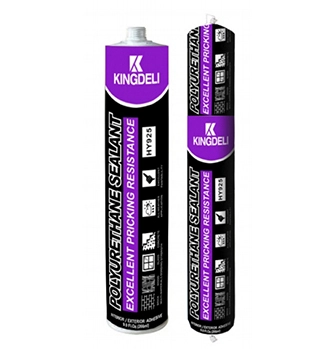
- HY-925 Polyurethane Sealant for Construction
- HY-993 High Strength MS Polymer Sealant
Why Partner with KINGDELI?
Many companies make basic, all-purpose items. Very few focus deeply on architectural sealing systems to handle difficult projects well. KINGDELI brings decades of research and development experience to this field. This deep knowledge leads to steady improvements in silicone, polyurethane, and hybrid technologies. These items are made exactly for doors and windows instead of general factory use. The company offers a broad lineup of silicone, polyurethane, and hybrid products. Their strict quality control system makes sure every single batch works perfectly. This consistency is vital when different teams work on separate parts of the same building exterior.
FAQ
Q: Can one type of sealant serve both interior and exterior aluminum joints?
This is not the best approach. Outside areas require much stronger UV protection. Inside spaces focus more on visual looks and the ability to be painted.
Q: How long does a properly applied silicone window sealant last?
It normally lasts more than 20 years. This assumes workers install it right on clean metals using the correct primers.
Q: Are hybrid MS polymer products safe for indoor air quality?
Yes, they are quite safe. They release very few harmful gases compared to older, solvent-based options.
Q: What’s the best way to test adhesion before installation?
Put small amounts of product on cleaned pieces of the real frame metal. Let it dry completely. After that, pull it by hand to check the grip under normal weather conditions.
Q: Does color affect performance?
It only impacts things indirectly. Dark colors soak up more heat from the sun. This extra heat might change how much the metal expands. However, it does not harm the basic chemical strength if the product mix is solid.