
How to Choose the Best Sealant for Solar Panel Installation in 2026
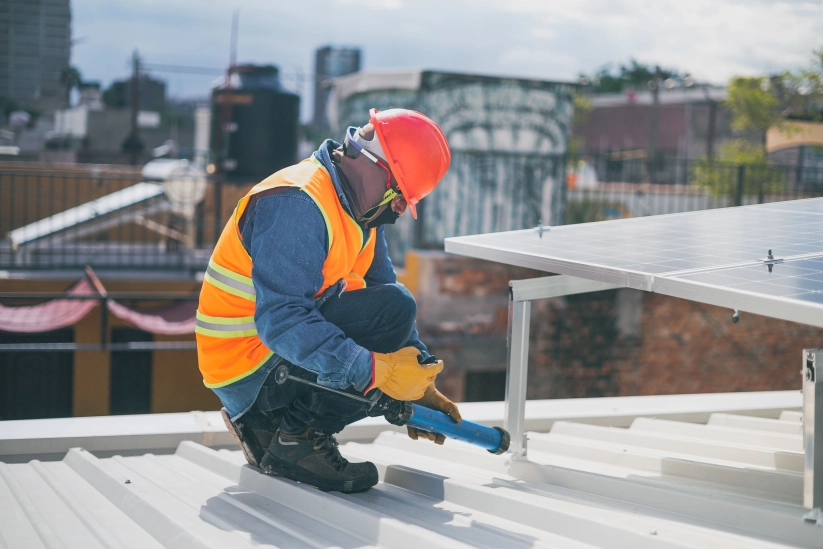
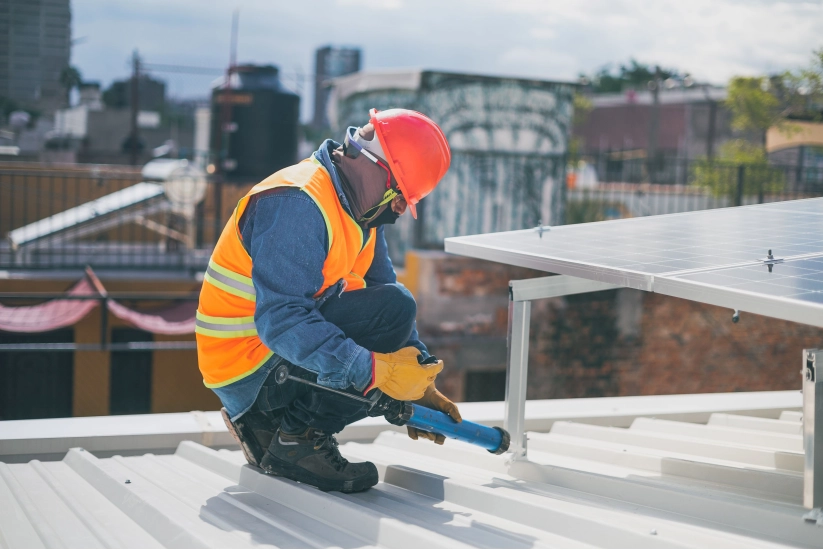
People frequently ignore sealants during solar installation. However, these materials quietly secure the whole system. A solar panel sealant performs a much bigger role than simply filling empty spaces. It actually guards the complete setup against harsh environmental damage.
Why Are Sealants Essential for Solar Panel Systems?
Dampness, dirt, and shifting temperatures regularly threaten rooftop systems. Without adequate sealing, highly advanced panels might break down much earlier than planned. Sealants successfully stop water from entering. Furthermore, they stop rust around joints and metal frames. This action preserves electrical efficiency for many years.
These materials also guarantee that the bond between mounting brackets and roof surfaces stays firm. This stability lasts through countless seasons of thermal expansion and shrinking. If workers forget or incorrectly apply the sealant, rust quickly appears. Then, the bonds weaken, and the daily power output decreases continually.
How Sealant Performance Affects Energy Efficiency
Energy efficiency involves more than just the standard rating of a panel. It greatly depends on how strongly the setup fights off structural decay. Weak sealing lets rainwater leak into junction boxes or wire connections. Consequently, this moisture causes electrical resistance issues and dangerous short circuits.
Premium sealants with strong UV protection keep their flexibility despite constant sun exposure. They hold the connecting joints tightly closed. As a result, they stop tiny leaks that ruin the internal insulation. Throughout a ten-year lifespan, picking the correct solar installation adhesive saves substantial repair money. It prevents early repair jobs and expensive replacement tasks.
Key Factors to Consider When Choosing a Solar Panel Sealant in 2026
The modern market in 2026 provides a massive variety of sealant technologies. Buyers can find silicones, polyurethanes, and mixed hybrids. Each option fits very specific construction needs. Your final decision relies on how the chemical mixture reacts with different base materials. It also depends on how the product handles severe outdoor conditions.
Compatibility with Different Substrates
Solar power arrays mix aluminum frames, hardened glass, and painted steel rails. Sometimes, they also include synthetic composite roof boards. A poor match between the sealant chemicals and the physical surface leads to peeling or ugly color changes. For instance, acid-based silicones might easily rust exposed metal edges.
They can also damage the special coatings on glass surfaces. Therefore, you must always review the compatibility charts provided by manufacturers. Do this before applying any item sold as the best sealant for solar panels.
Weather Resistance and Durability Requirements
Exterior systems face intense summer heat, freezing winters, and salty coastal breezes. They also suffer from endless UV radiation. A tough solar panel sealant needs to avoid cracking during these extreme weather events.
At the same time, it must stick firmly to slick surfaces such as treated aluminum or flat glass. Buyers should highly prioritize chemical mixtures marked as UV-resistant. This is especially true for open-frame setups where sun exposure never stops.
Flexibility and Movement Capability
Every building shifts over time. Roofs grow larger in the summer heat and shrink during winter chills. Furthermore, mounting rails move slightly when heavy winds blow. Flexible sealants handle these natural movements perfectly. They do not tear away from the panel edges or peel back from the sharp corners.
A stiff, rigid joint might appear solid at first glance. However, it will break completely after many hot and cold cycles. Elasticity serves as a mandatory survival feature. It is essential for any exterior adhesive system used in green energy projects.
What Type of Sealant Works Best for Solar Panels?
Buyers often compare silicone vs polyurethane sealant options. Both materials offer distinct advantages. The right choice relies heavily on specific project demands and local weather patterns.
Silicone vs. Polyurethane: Which One Fits Your Project?
Silicone-based sealants control the rooftop market today. They deliver outstanding UV protection and remarkable weather endurance. This strength lasts even after twenty years of harsh exposure. Their gentle, non-corrosive chemistry makes them perfect for gluing glass to metal frames. They accomplish this without leaving ugly rust stains or triggering bad chemical reactions. Neutral-cure mixtures remain incredibly popular right now. They release zero acetic acid while drying. Consequently, they are much safer for delicate parts like painted aluminum or plastic junction boxes.
Polyurethane options perform brilliantly when pure physical strength matters more than simple flexibility. For example, workers use them to lock heavy racking bases or thick steel brackets onto solid concrete floors. These products supply a very powerful grip. Additionally, they offer excellent vibration-absorbing qualities. These helpful traits preserve the structural safety of the system during violent wind storms.
Neutral Cure Silicone: A Preferred Choice in 2026?
Neutral cure silicone steadily wins the approval of modern installers. It provides a wonderful balance between stretching ability and surface compatibility. The material dries completely without leaking any harmful, corrosive chemicals. Furthermore, it produces very little smell during the application process.
It keeps its flexible nature across huge temperature changes. It works beautifully in dry deserts and wet coastal regions alike. Many engineers want to ensure reliable system operation for over twenty years. For these professionals, this specific mixture acts as a highly practical solution. It perfectly blends physical toughness with simple daily usage.
Evaluating Product Quality Before Purchase
Purchasing materials based only on a famous brand name carries hidden risks. Strict technical checking remains absolutely necessary. You must verify the facts before buying massive quantities for big projects.
How to Assess a Reliable Solar Panel Sealant Supplier?
A trustworthy supplier needs to offer clear, open paperwork. ISO certification proves that the factory maintains steady quality control. Meanwhile, SGS or ROHS approval shows strict respect for global environmental safety rules. Buyers must read the technical data sheets carefully. These documents show exact numbers for pulling strength, stretching limits, and surface sticking power. All these details predict how successfully the dried product will function in real outdoor settings.
Why Testing Matters Before Full Application
Even fully certified pastes act differently in various situations. Their performance changes based on the surface texture or the exact air moisture during the drying phase. Workers should run tiny sticking tests directly on the real project materials. This smart step reveals hidden chemical conflicts very early. Installers can watch for changing dry times or strange color fading under the hot sun. This close observation gives valuable real-world clues about future durability. Standard laboratory numbers simply cannot predict these exact field results.
KINGDELI’s Recommended Sealant Solutions for Solar Applications
- HY-2300 Outdoor Neutral Silicone Sealant: This item keeps a highly steady performance. It works flawlessly even during endless months of direct sunlight exposure.
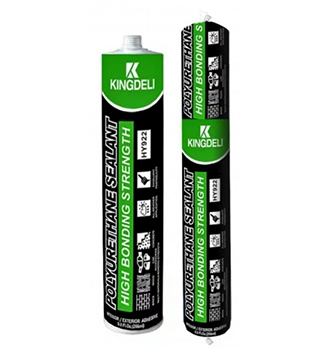
- HY-922 Multiple Purpose Polyurethane Sealant: This option delivers an incredibly strong grip. It also provides fantastic weather protection across many different building surfaces.
Future Trends in Solar Panel Sealant Technology Beyond 2026
Fresh inventions are actively changing what experts demand from green energy adhesives. Scientists are currently building mixed silicone-polyurethane blends. These new items combine the soft flexibility of silicone with the rigid strength of polyurethane. They serve perfectly for advanced two-sided solar modules. These modern panels need clear transparency and tough physical armor. Simultaneously, green chemical recipes try to lower harmful gas emissions. They achieve this safety goal while keeping the extreme toughness required by massive solar farms. These big facilities constantly push for cleaner, safer building methods.
FAQ
Q1: What is the best sealant for solar panels exposed to high UV radiation?
Neutral cure silicone stands as a premier option today. It offers a safe, rust-free chemistry alongside fantastic UV protection.
Q2: Can polyurethane be used directly on glass surfaces?
This material grips glass very tightly. However, workers might need special primer liquids first. You should always confirm the chemical match by running small tests before starting the main job.
Q3: How often should sealed joints be inspected?
Experts suggest a careful visual check every two years. Any dark marks or loose edges mean that fresh sealing work is probably necessary.
Q4: Does KINGDELI supply custom formulations for extreme climates?
Yes, KINGDELI creates special mixtures for unique geographical areas. They adjust the recipe to perfectly match local heat levels and air moisture conditions.
Q5: Are eco-friendly solar panel sealants available now?
Clean, low-emission hybrid goods are entering the global market right now. Environmental care is becoming a core part of building rules as we move past the current year.