
Best Waterproof Sealant for Bathrooms, Kitchens and Wet Areas
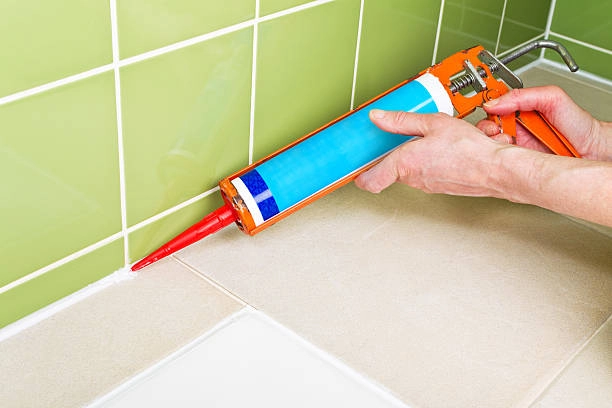
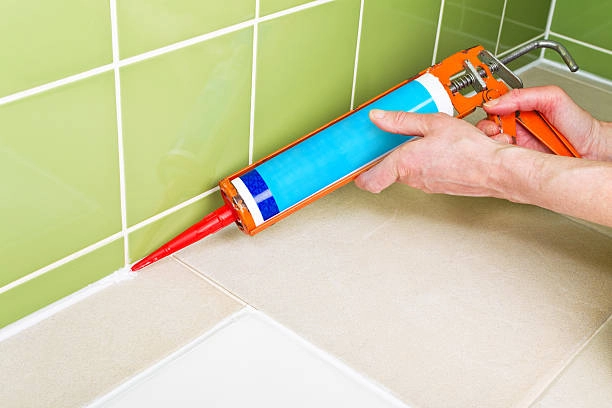
Water reaches weak spots fast. A small gap near a shower screen or sink or bathtub lets moisture get to walls or cabinets or floors. This often happens well before any damage shows clearly.
Picking the best waterproof sealant takes more than just the word waterproof. The material has to hold its bond. It must handle movement. It also needs to stay steady with humidity and cleaning and temperature shifts. Silicone sealant gives a good choice for many wet-area uses. Acrylic and MS polymer products work for certain cases.
What Makes a Sealant Suitable for Wet Areas?
Wet-area joints often link different materials. The sealant must deal with water and movement together.
Water and Moisture Resistance
A sealant around showers and sinks and bathtubs must stand up to repeated moisture. It should not soften or crack or lose its hold.
Direct daily water contact demands more than occasional splashes. A shower enclosure joint needs better waterproof performance. A decorative joint does not face the same pressure.
Strong Adhesion
A waterproof seal fails if it pulls away from the surface.
The sealant should match the real surfaces in the joint. These may include ceramic or glass or metal or stone or a coated surface. Preparation matters too. Grease or soap residue or dust or trapped moisture can lead to early failure.
Flexibility and Durability
Wet-area joints move. Metal sinks expand with heat. Shower screens vibrate during use. Countertops shift slightly. A flexible sealant takes in this movement. It does so without splitting.
What Is the Best Waterproof Sealant for Bathrooms?
For most bathroom uses silicone sealant is the preferred option. It brings together water resistance and flexibility and good adhesion. Common uses cover showers and bathtubs and sinks and tile corners and glass panels and fixtures.
A glass shower panel next to an aluminum frame offers a clear example. The joint must block water. At the same time it allows slight movement.
Why Silicone Works Well in Bathrooms
Silicone stays flexible after curing. It performs well in humid environments. It also bonds effectively to many non-porous bathroom surfaces.
Neutral cure silicone is often a sensible choice for sensitive metals or stone or mixed materials. Product selection should still follow substrate compatibility and expected movement and exposure conditions.
What Is the Best Sealant for Kitchens?
Kitchen joints face water and grease and cleaning products and temperature changes. Around a sink the seal may get wet many times a day. It still needs to remain bonded. Silicone is widely used. It creates a durable flexible barrier around many kitchen surfaces.
Silicone Sealant for Kitchen Sinks and Countertops
A waterproof sealant for kitchen sinks should bond firmly to both the sink and countertop. Material combinations vary. For sink edges and countertop joints and backsplash connections a properly selected silicone sealant is usually dependable.
Silicone vs Acrylic vs MS Polymer: Which Is Better for Wet Areas?
No single sealant fits every joint. Silicone is usually the strongest choice for direct water exposure. Acrylic and MS polymer suit other situations.
| Sealant Type | Water Resistance | Flexibility | Typical Wet-Area Use |
| Silicone Sealant | Excellent | High | Bathrooms, showers, sinks, kitchens |
| Acrylic Sealant | Moderate | Moderate | Interior gaps with limited water exposure |
| MS Polymer Sealant | Excellent | High | Construction joints and multi-material bonding |
Silicone Sealant
Silicone offers excellent water resistance and high flexibility. It is widely used around showers and bathtubs and sinks and glass and tiles and sanitary fixtures. For permanently humid areas it is often the preferred starting point.
Acrylic Sealant
Acrylic sealant is useful for interior gaps and finishing joints where water exposure is limited. It works well around walls and frames and decorative gaps. For joints exposed directly to water every day acrylic is normally not the preferred option.
MS Polymer Sealant
MS polymer sealants combine sealing performance with strong bonding capability. They are useful where several materials meet. They also fit where the joint needs both adhesion and flexibility. In mixed-substrate wet areas MS polymer can be a practical alternative.
Where Should Waterproof Sealant Be Applied?
Waterproof sealant matters most where water can move behind a surface.
Common locations include:
- Around bathtubs
- Shower glass joints
- Bathroom and kitchen sink edges
- Countertop joints
- Backsplash connections
- Tile corners
- Around plumbing fixtures
- Wall and floor joints
Even a narrow failed gap around a sink can let moisture reach hidden surfaces.
How to Choose the Right Waterproof Sealant
Product type is only part of the decision. The joint itself usually tells you what matters.
1. Check the Surface Material
Identify both sides of the joint.
Different surfaces have different adhesion characteristics. Natural stone may also need a sealant formulated to reduce staining risk.
2. Consider Water Exposure
Occasional splashing is different from daily direct water exposure. A shower joint needs stronger long-term water resistance than a decorative joint outside the main wet zone.
3. Look for Flexibility
Movement should be expected wherever different materials meet. If a joint may expand, contract, or vibrate, a flexible sealant is generally safer than a rigid material.
4. Check Indoor Application Requirements
Curing method, odor, ventilation, joint depth, temperature, and humidity can affect application. The sealant also needs enough curing time before the area returns to service.
5. Choose a Reliable Sealant Manufacturer
For contractors and distributors and importers batch consistency matters. A reliable manufacturer should provide stable formulations and technical data and application guidance and products suited to different substrates and markets.
Waterproof Sealant Solutions from KINGDELI
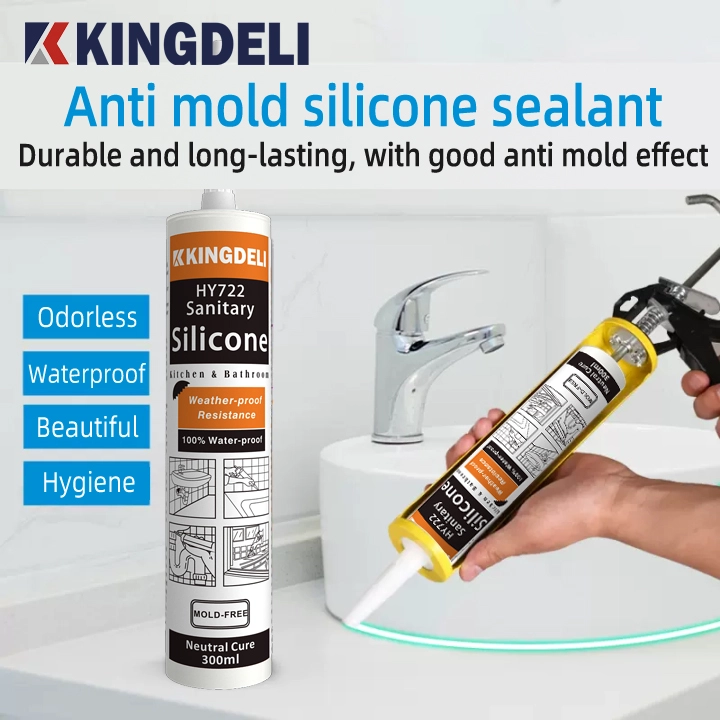
KINGDELI develops and manufactures sealants and adhesives for construction sealing and waterproofing and vibration resistance and material bonding. Its range includes silicone and MS and polyurethane and acrylic sealants for common construction materials. For distributors and contractors and importers and OEM buyers products can be matched to substrate and movement and curing requirements and exposure conditions.
Frequently Asked Questions
Q: What is the best waterproof sealant for a shower?
Silicone sealant is commonly preferred because it offers strong water resistance and flexibility and adhesion to glass and ceramic and aluminum and tile.
Q: Can silicone sealant be used around a kitchen sink?
Yes. Silicone is widely used around kitchen sinks and countertops because it creates a flexible water-resistant joint. Surfaces should be clean and dry and free from grease before application.
Q: Is acrylic sealant waterproof?
Acrylic sealants can provide moisture resistance. They are better suited to interior joints with limited water exposure. Areas repeatedly exposed to water usually call for silicone or another wet-area sealant.
Q: How long should waterproof sealant cure before getting wet?
Curing time depends on formulation and joint size and temperature and humidity. Check the manufacturer’s technical instructions before exposing the sealant to water. Surface skin formation does not mean the full joint has cured.
Conclusion
For bathrooms and kitchens and showers and other wet areas silicone sealant is usually one of the safest practical choices. It handles water well and stays flexible. Acrylic suits lower-exposure interior joints. MS polymer becomes useful when strong bonding, mixed materials, or joint movement are part of the application. The right choice still comes down to the joint in front of you: the materials, the movement, and how much water it will actually see.
Looking for a waterproof sealant for bathroom, kitchen, or construction applications?
Contact KINGDELI to discuss the right sealing solution for your project.