
Can You Use Silicone Sealant as an Adhesive? What You Need to Know
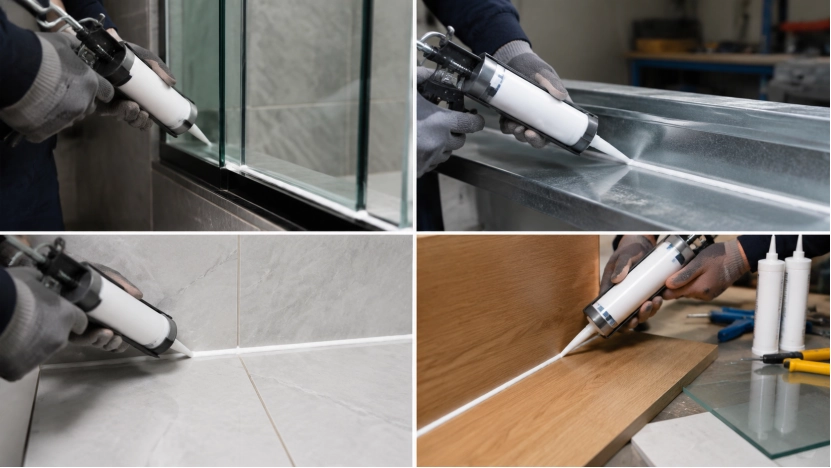
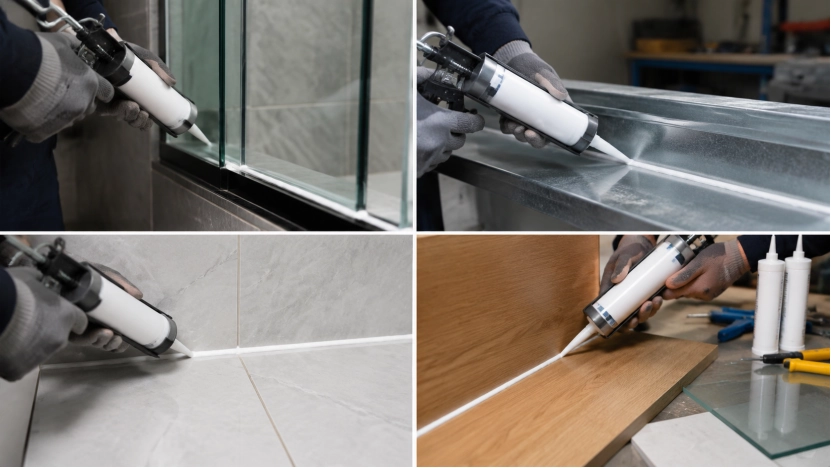
When folks wonder if caulking can double as glue or if silicone serves as a sticky agent, the simple reply is yes. That said, certain rules apply. Apply silicone sealant correctly and let it set properly. Then it can work as a bendy glue for various items. Still, results vary a lot. They depend on the silicone kind, the materials you’re joining, and the surroundings while it hardens. If you get these points, you can figure out when silicone sealant does a good job sealing and sticking at once.
The Composition and Properties of Silicone Sealant
People make silicone sealant as a thick mix. They combine polydimethylsiloxane as the core ingredient with crosslinking agents, fillers, plasticizers, coupling agents and catalysts in a vacuum. It sets at everyday temperatures. The reaction happens with air moisture. That builds a springy silicone form. This way of setting—pulling in dampness from the air—produces a gum-like rubber that holds its give across a broad heat span.
Silicone sealants display a few main traits:
- Solid bendiness right after setting
- Strong shield from UV rays, ozone, and rough weather
- Toughness in very high or low heats
Once set right, most of our products work in heats from -56 to 177°C. They manage brief peaks at 204°C. A few even handle more heat. Such heat resistance fits silicone for inside and outside uses. You’ll see temps change often there.
Neutral cure silicones give off alcohols or oximes as they set. This keeps them kind to metals and touchy surfaces. Acetoxy cure silicones put out acetic acid. They harden quicker. But they might eat at some metals. Kingdeli’s product line includes both types—for example, HY-2100 Neutral Silicone Sealant for general use and HY-668 Acetic Silicone Sealant for fast-setting glass applications.
How Silicone Sealant Differs from Conventional Adhesives
Old-school glues count on physical hold or solvent drying. Silicone, though, creates chemical links with surfaces through siloxane ties. As a result, it shows impressive give next to stiff glues like epoxy.
| Property | Silicone Sealant | Conventional Adhesive (Epoxy/PU) |
| Flexibility | High | Low to medium |
| Temperature Resistance | -50°C to +200°C | Typically below +120°C |
| Curing Mechanism | Moisture-cure elastomeric | Chemical reaction or solvent evaporation |
| Shear Strength | Moderate | High |
| Elongation at Break | Up to 500% | Usually below 100% |
These contrasts show why silicone does better than other glues in lively joints or setups that face shakes or shifts.
When Silicone Sealant Can Be Used as an Adhesive
Silicone’s flexibility lets it play roles as both a sealer and glue. It shines in spots where give beats stiffness.
Suitable Applications for Using Silicone as an Adhesive
Silicone joins smooth materials nicely. Examples include glass, metal, ceramics, and select plastics. Our products show great sticking to many work items. That covers glass, ceramics, wood, painted areas, and lots of metals and plastics. Common spots for it include fixing bathroom mirrors or glass panels. It also seals edges in wall systems or window frames. Plus, it attaches tiles or counters that move a bit. And it builds shake-proof parts in home gadgets or cars.
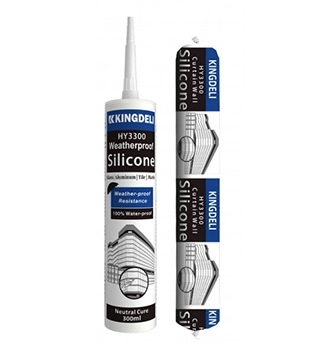
Kingdeli’s HY-3300 Weatherproof Neutral Silicone Sealant shows this two-way skill—it sticks hard while keeping give from -50°C to +200°C after curing.
Factors That Influence Bond Strength and Durability
To boost sticking power:
- Surface preparation – Scrub surfaces well. Clear away oils or grit before you start.
- Environmental conditions – Best setting happens from 4°C to 40°C with enough moisture around.
- Substrate compatibility – Don’t put it on greasy plastics or stuff that leaks softeners.
You might need a primer on metals or soak-up surfaces. It helps avoid sticking slips.
Limitations of Using Silicone Sealant as a Structural Adhesive
Silicone joins things well in some cases. But it doesn’t fit all weight-holding jobs.
Scenarios Where Silicone Is Not Recommended for Bonding
Skip silicone when the build’s strength rests only on glue power:
- Big joints needing strong pull force
- Full-time water dips without custom mixes
- Surfaces like polyethylene that let out oils harming the stick
For those jobs, epoxies or polyurethane adhesives fit better. They bring more raw might.
Common Issues When Misusing Silicone Sealant as Glue
Bad handling often brings problems. Unclean surfaces cause weak holds. Thick globs without damp air might not set all the way. And bare lines draw dust. That leads to color shifts as time passes.
Silicone gives ongoing give. Yet its inner hold lags behind build glues. So it restricts use in key weight jobs.
Comparing Silicone Sealant with Other Adhesive Types
You can pick each glue type wisely by seeing how silicone measures up to polyurethane and epoxy.
Silicone vs. Polyurethane Adhesives
Polyurethane (PU) adhesives provide more firmness. But they lack sun defense. Organic materials easily flip reactions—organic polyurethane drops its set traits and goes soft like gum. Silicones, however, keep their give through years of wear without falling apart. Folks pick PU for build joints that take paint. Silicone stands out where you need weather guard.
Silicone vs. Epoxy Adhesives
Epoxy adhesives set hard through chemical links. They yield strong side holds but little bend. Silicones stay springy once set—perfect for lively joints like wall systems or window edges. Epoxy works for build joins. Silicone fits seals under heat stretch strain.
Choosing the Right Product for Your Application Needs
You choose between caulking mixes and glues based on if sealing or joining leads your needs.
Key Considerations Before Selecting a Sealant or Adhesive
Check these:
- The top aim—filling gaps or linking parts
- Material types (metal, glass, concrete)
- Likely weather hits (UV light, humidity)
Match give to power needs. Then it lasts without breaks from shifts.
Kingdeli’s Range of Professional Silicone Solutions
Neutral Cure Silicone Sealants for General Bonding and Sealing
Kingdeli’s HY‑2100 General Use Neutral Silicone Sealant gives solid joins to glass, aluminum, tile, marble, cement, plastic, and non-oily wood. It stays harmless to metals—a handy pick for inside decor and glazing tasks.
High Modulus Structural Silicones for Industrial Assembly Use
The HY‑4300 Structural Silicone Sealant delivers strong pull force for wall glazing setups. It holds give between -50°C and +250°C after curing—linking build and bend smartly.
Hybrid Polymer Sealants Combining Adhesion and Flexibility Benefits
MS polymer-based products like HY‑993 High Strength MS Polymer Adhesive/Sealant mix no-primer sticks with paint-friendly traits on varied items. These include PVC, stainless steel, wood flooring, aluminum panels, brickwork, and ceramics—filling the space between old glue and bendy seals.
Best Practices for Achieving Strong Bonds with Silicone Sealants
Top-shelf items still call for right steps. That way, they work best as glue swaps.
Surface Preparation Techniques for Optimal Adhesion
Wash all surfaces with matching cleaners like isopropyl alcohol. Steer clear of oil-based ones. They leave traces that clash with silicone makeup. Primers improve hold on hard surfaces like metals or plastics. They foster chemical ties between surface rusts and siloxane links.
Application Tips to Maximize Performance Longevity
Lay steady bead widths for total touch. Avoid air traps. Give enough set time—usually 24 hours per 3 mm layer at room heat—to build full strength. Keep tubes under 25°C, far from sun. That holds their steadiness before you use them. Wrong storage cuts their usable time a lot.
FAQs
Q1: Can you use caulking as glue?
Yes—but only if it’s a silicone-based caulk designed with adhesive properties; acrylic latex caulks lack sufficient bonding strength.
Q2: Can silicone be used as an adhesive on metal?
Yes. Neutral cure silicones bond well to metals without causing corrosion when surfaces are clean and dry.
Q3: How long does silicone take to cure fully?
Most one-component silicones cure within 24–48 hours depending on bead thickness and ambient humidity levels.
Q4: What surfaces should not be bonded with silicone?
Avoid oily plastics like polyethylene or polypropylene unless treated; these inhibit adhesion due to surface energy differences.
Q5: Is silicone waterproof enough for underwater repairs?
Standard silicones resist moisture but aren’t suitable for continuous submersion unless specifically formulated for aquarium-grade sealing applications such as Kingdeli HY‑732 Acetic Silicone Sealant for Large Glass Walls.