
Fogging Between Double-Glazed Panes: Is the Insulating Glass Edge Seal Failing?
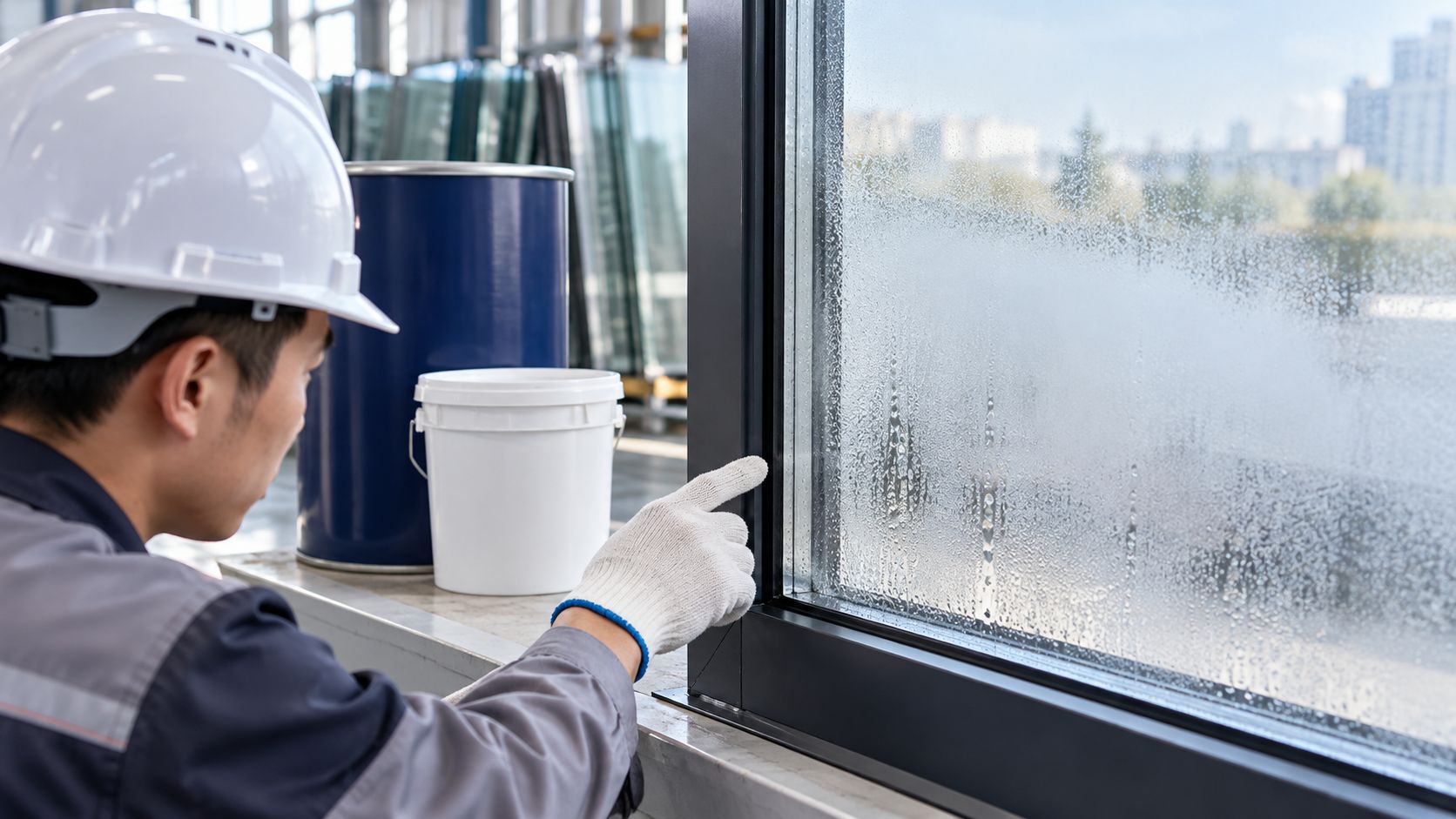
It is easy to attribute an issue of a fogged up window to failure of the seal, but first, find out where the water is coming from. Water droplets found on the inner pane are an indication that there is excessive moisture in the room, while water droplets found between the panes indicate that there is a problem with the IGU. One should be aware that while fogging helps in recognizing the presence of any problem, it does not help in locating it.
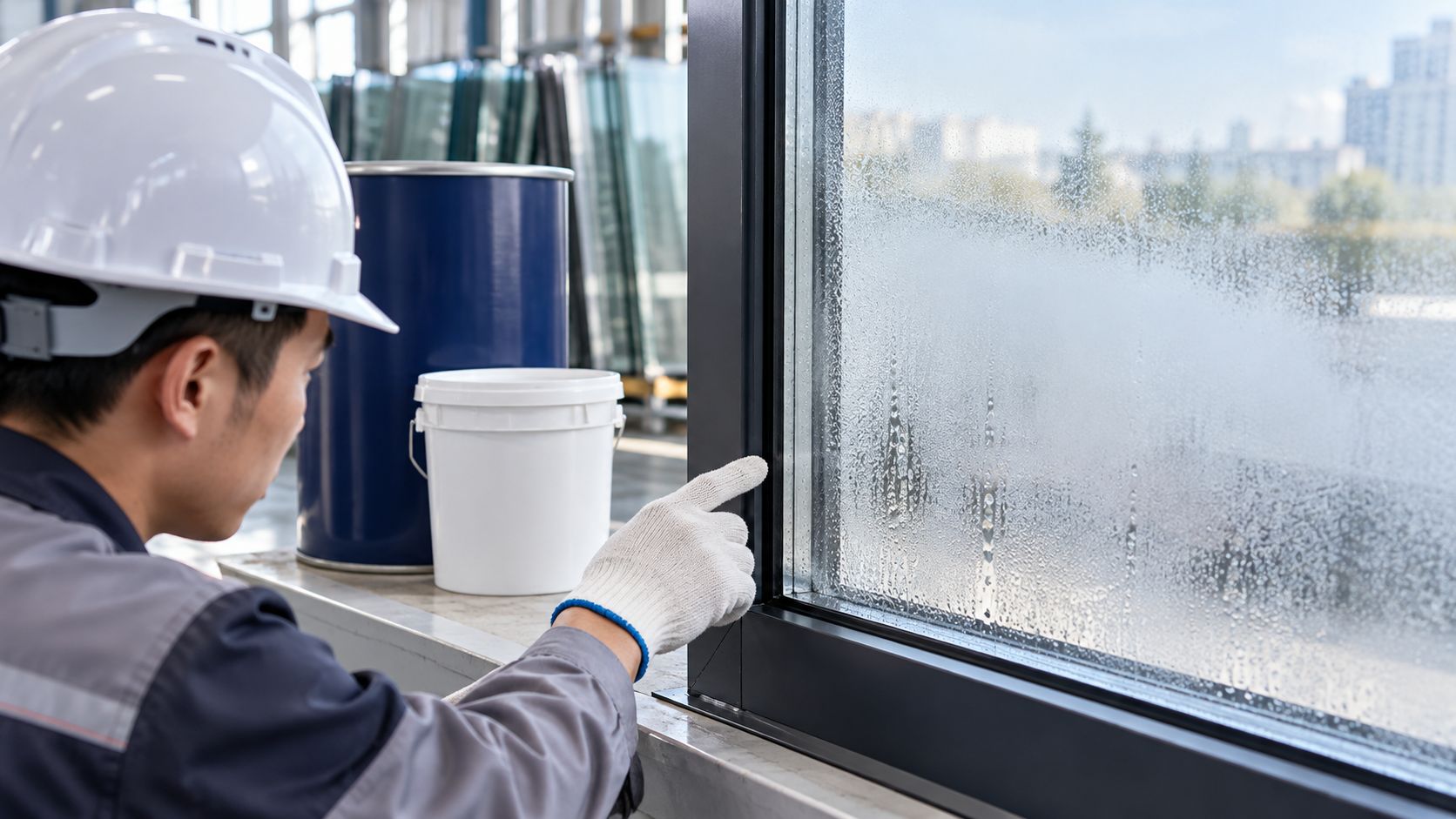
Is the Condensation Actually Between the Two Panes?
Check where the water is accumulating and when before removing the unit or the batch of sealant.
Separate surface condensation from cavity fog
Wipe both accessible glass surfaces with a clean cloth. If the marking is not there, then it was located on an exposed surface. Indoor condensation is often related to high room humidity and cold glass. Outdoor condensation may be found on well-insulated glass due to certain weather conditions. These symptoms cannot indicate a problem with edge sealing by themselves. If there is condensation behind both exposed surfaces, mark it as suspected cavity moisture.
Look for a recurring pattern, not one photograph
Any whitish appearance after the occurrence of cold weather or moisture appearance near the spacer must be investigated. Ascertain if this is confined to one unit, one batch or even a whole elevation of a building. It may just be a problem on one particular window, or more than one could have a common manufacturing defect.
Which Part of the Insulating Glass Edge Seal Could Have Failed?
Edge is a system, not just an adhesive band. The elements of the edge have different functions; thus, its failure results in different indications.
Primary barrier, desiccant, and spacer
In several double-sealed IGUs, the primary PIB seal acts as the significant barrier to the flow of moisture vapor and gas. The desiccant placed in the spacer captures any remaining moisture or any small amount that comes in later. In case of any gap in the primary barrier, or when the amount of desiccant used is inadequate, the dew point in the cavity rises.
Secondary seal adhesion and joint geometry
The role of the secondary seal is to keep the integrity of the unit’s edge during handling and service loading. If there is an under-filled corner, discontinuity in the bead, weak bond to the glass or spacer, or improper cure of the material, this will reduce the strength of the assembly and increase the probability of creating other pathways for moisture entry. The depth of the designed seal is compared to the actual section, not just the bead that can be seen.
What Evidence Can Separate Material Failure from Production Error?
A failed unit becomes useful evidence only when its observations can be connected to production records and a comparable good unit.
Read the failure surface
In the process of the test examination, it is crucial to check for any clean separation of the glass/spacer from the sealant, cohesive failure of the sealant, voids, and lack of sealant in the corner areas. Adhesive separation indicates that there might be a problem at the interface level, while cohesive failure indicates something else. The presence of any of these two conditions will not provide proof of the cause.
Check mixing and curing records
Controlled dispensing and mixing are essential in two-part products. Check the ratio of components, calibration, mixer status, production rate, conditions, working time, and time before handling. Compare suspicious products with those saved from a reliable batch. Curing failures and surface cleaning issues can seem alike after several months of use but need different fixes.
Do not overlook installation conditions
Blocked frame drainage, standing water against the edge, poor setting-block placement, or unexpected mechanical pressure can stress a sound factory seal. Examine glazing support and exposure alongside factory records. When the unit serves a structural glazing system, testing and remedial decisions belong with the qualified glazing team rather than a general maintenance contractor.
How Can an IGU Manufacturer Reduce Repeat Fogging Claims?
The most efficient preventive measure is that of inspections at the points where defects can be introduced, not through final visual inspections.
Control the interfaces before sealing
Make sure that the edges of the glass, spacers, primary seal and desiccant storage have been cleaned appropriately. Bear in mind that the coatings applied to the glass and spacers can affect the adhesiveness of the material which will be used for making the seals. Take time to check the corners of the glass.
Record a testable production baseline
Record all data related to the batch of sealant, substrates, mixing, bead size, curing, and unit identification. Conduct tests of adhesion, dew point, moisture penetration, and gas retention if necessary according to the specification. This will help in understanding the reason behind the complaints.
The distinction between primary and secondary sealing also affects purchasing. The related article on insulating glass secondary sealant selection covers material-choice considerations; a failure investigation should go further by checking what actually happened in the assembled unit.
Where Does KINGDELI HY-5300 Fit in This System?
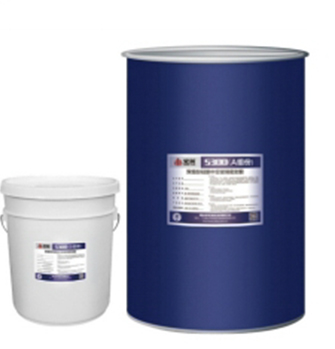
For IGU manufacturers, HY-5300 Two Component Insulating Glass Silicone Sealant is described by KINGDELI as a neutral-curing, two-component silicone for residential and commercial double glazing. Its listed properties include adhesion, elasticity, weathering resistance, and low vapor and gas transmission. It is a candidate for a defined IGU specification, not a remedy for an untested primary seal or assembly.
The wider Glass Glazing Solutions range places HY-5300 alongside products intended for other glazing functions. KINGDELI, a sealant and adhesive manufacturer based in Foshan, China, can be considered as a supply source, with final approval dependent on project-specific compatibility, processing trials, and performance evidence.
Conclusion
The fogging that occurs between two layers in double glazing indicates a problem with moisture in the cavity and not with the apparent secondary silicone seal. It is important to confirm the source of the moisture, examine the integrity of the primary barrier and the spacer, and associate each of those observations with documented information from the manufacturing and installation process. Replacing the IGU becomes necessary when the cavity is damaged; attempting to reseal the IGU with sealant after its installation does little good.
FAQs
Can a fogged double-glazed unit be fixed by sealing its outside edge?
Not usually. While an outside bead can fix a different joint of the frame, it will not necessarily fix the factory cavity seal, dry desiccant, or loss of the gas fill. This should be checked first to determine whether replacement is necessary.
Does fogging automatically mean the secondary silicone was defective?
Not necessarily. The following can be the causes: discontinuity of primary seal, handling of desiccant, assembly of spacers, installation stress, and defects in the secondary seal. The trend and findings will dictate the cause.
Which records help a supplier investigate a repeated IGU complaint?
Some of the information that may be considered useful would be unit and batch identification, substrate data, sealant lot numbers, mixing and curing data, spacer and desiccant data, edge section data, and pictures of some of the effected locations.