
How Long Does Silicone Sealant Last? Factors Affecting Sealant Durability
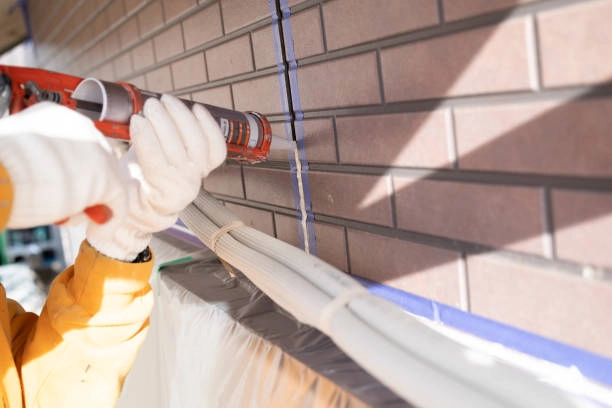
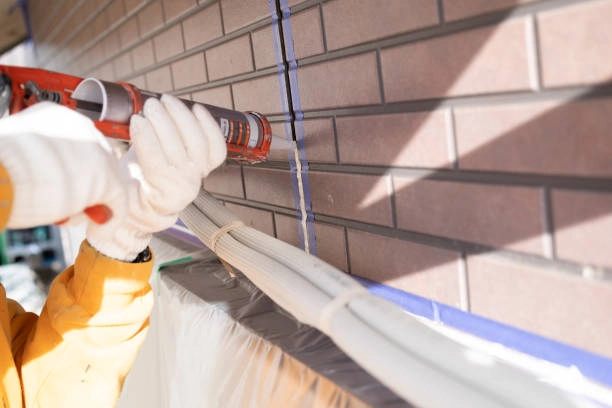
Silicone sealant lasts about 10 to 20 years. This occurs when the product fits the job. The joint also needs correct installation. Certain setups stay effective longer in steady conditions. Others stop working much sooner.
Surface dirt leads to early issues. Chemical contact reduces performance as well. Sealant around a bathroom window deals with one set of issues. A façade joint faces wind along with ultraviolet radiation. These create separate demands.
What Is the Typical Lifespan of Silicone Sealant?
Interior silicone sealant often stays useful for 15 to 20 years or more. Indoor joints receive less ultraviolet radiation. They also face fewer temperature swings. Moisture can still create problems in bathrooms.
Exterior silicone sealant commonly lasts 10 to 20 years. Actual time depends on sunlight. It depends on rain as well. Frost and heat affect results.
Curing time differs from service life. Curing shows how long the sealant needs to reach basic strength. Service life shows how long it keeps its grip. It also shows how well it stays flexible. Resistance to weather counts too.
7 Factors That Affect Silicone Sealant Durability
The full joint system shapes how long a sealant lasts. Product quality forms just one piece of the picture.
1. Product Formulation and Quality
Silicone chemistry changes stretch ability. It changes how well the material sticks. Curing speed varies with the mix. Weather resistance depends on the recipe too. A sealant made for glass and aluminum may not work on porous stone. It might fail in a high-temperature industrial joint.
Construction joints need a type that handles movement. Waterproofing work may need strong grip during repeated wet conditions. Industrial bonding may need protection from heat or chemicals.
2. UV Exposure and Weather Conditions
Ultraviolet radiation slowly damages many outside materials. A suitable silicone sealant should resist sunlight. It should avoid turning chalky. It must not become brittle. The material should stay attached to the surface.
Curtain walls receive constant weather. Façades face the same exposure. Roofs and windows deal with it daily. Outdoor equipment sees it too. Coastal projects may also face salt along with high humidity. In harsh climates a sealant with weak weather resistance can lose performance well before its expected lifespan.
3. Temperature Changes
Materials expand when heated. They contract when cooled. The joint must absorb that movement. It has to do this without losing its grip.
Freezing and thawing create extra stress. Check the operating-temperature range before selecting a product. A sealant that works well indoors may not suit a spot beside a hot pipe. It may fail on an exposed roof.
4. Joint Movement and Mechanical Stress
Buildings move over time. Settlement adds pressure on joints. Wind load creates force. Vibration affects them too. Material expansion places stress on the seals.
If the sealant cannot handle that movement cracks may appear through the bead. The edges may peel away from concrete. They can separate from glass or metal. In some cases the sealant remains attached but splits internally.
5. Surface Preparation and Adhesion
Dust interferes with bonding. Oil creates the same problem. Moisture leads to weak spots. Rust and old residue cause trouble too. Even premium silicone can fail when applied to a dirty surface. An unstable surface creates similar risks.
A window joint may appear dry. At the same time it holds a thin film of cleaning chemical. The sealant skins over quickly. Yet the edge releases after several weeks of rain.
6. Application Quality and Sealant Geometry
Sealant geometry controls stress movement through the joint. Incorrect depth places too much strain on the material. Three-sided adhesion restricts movement. This often leads to early failure.
Backer rod selection matters as well. It helps control depth. It stops the sealant from sticking to the bottom of the joint. The bead should go on evenly. This avoids gaps and trapped air.
7. Maintenance and Chemical Exposure
Harsh cleaners damage sealant over time. Solvents create similar wear. Oils reduce useful life. Industrial chemicals add risk. The danger depends on how strong the chemicals are. It also depends on how long contact lasts.
Routine inspections help spot small problems early. A minor opening around a window can turn into a serious water path during the next storm. Maintenance does not turn a poor product into a durable one. It does stop small defects from growing into costly repairs.
Signs That Silicone Sealant Needs Replacement
Failed silicone sealant often shows physical changes first. Leakage may appear later. Cracking serves as a clear warning.
A hardened texture means the sealant no longer handles movement well. Persistent leakage requires urgent fixes. This is especially true around façades and roofs. Mold may grow when a failed joint traps moisture inside.
Old silicone should generally be removed before new material goes on. New silicone usually does not bond well to cured silicone. The surface must be cleaned again. It needs proper preparation before replacement.
How to Make Silicone Sealant Last Longer
Select the sealant based on the surface type. Exposure conditions should guide the choice. Glass requires certain checks. Aluminum needs others. Concrete and stone have unique needs. Plastics and painted surfaces may call for still different tests.
Follow the product instructions closely. Freshly applied sealant needs protection. Keep dust away during curing. Prevent water contact in that period. Avoid movement until it sets. On an exterior project timing becomes important. Applying a bead just before heavy rain can ruin the result.
Inspect joints in wet areas regularly. Outdoor seals need the same checks. Early repairs stay simpler. They avoid the need to replace damaged backing materials. Water damage repairs cost more and take longer.
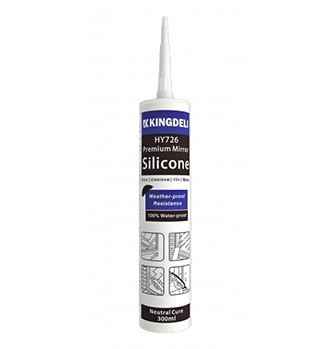
For larger projects a manufacturer with technical support helps match the type to the joint design. KINGDELI develops and manufactures sealants and adhesives for construction, waterproofing, bonding, and export applications. Project conditions should guide the final product choice.
Choosing the Right Silicone Sealant for Your Project
A practical selection review should answer several questions.
- Which materials need to be sealed or bonded?
- Is the application indoors or outdoors?
- How much movement will the joint experience?
- Will the sealant face UV radiation, rain, chemicals, or extreme heat?
- Is rapid curing required?
- Are specific colors, packaging formats, certifications, or export documents needed?
The right choice rarely depends on price alone. It depends on the joint itself. The surface type plays a part. Conditions after installation matter most.
KINGDELI can support buyers looking for construction sealants, waterproofing products, adhesive solutions, and export supply. Technical data and compatibility should be confirmed before ordering.
Frequently Asked Questions
Q: How long does silicone sealant last outside?
Exterior silicone sealant often lasts around 10 to 20 years. UV exposure shortens life in some cases. Weather adds wear. Movement creates stress. Installation quality affects results. Good maintenance can extend that period.
Q: Does silicone sealant deteriorate?
Yes. Sunlight causes gradual breakdown. Temperature changes add strain. Chemicals reduce performance. Mechanical stress wears it down. Poor initial grip leads to faster failure. These factors slowly cut flexibility and bonding strength.
Q: Can you apply new silicone over old silicone?
Generally no. New silicone usually bonds poorly to cured silicone. Remove the old material first. Clean the surface thoroughly. Then apply a replacement bead.
Q: How can I tell if silicone sealant has failed?
Check for cracks in the bead. Look for gaps along the edges. Peeling shows loss of grip. Brittleness means it no longer flexes. Leakage requires immediate action. A joint that has separated at the edge needs attention. This holds true even if the center still looks intact.
Conclusion: Invest in the Right Sealant for Long-Term Performance
Silicone sealant can protect a joint for many years. The type must match the job. Installation needs careful control. Durability depends on weather exposure. Movement plays a key role. Surface preparation sets the foundation. Sealant shape affects stress distribution. Regular maintenance extends service life. For a construction project or waterproofing job product selection should rely on actual conditions. The same applies to bonding work or export orders.
Contact KINGDELI to discuss the substrate, exposure, joint movement, and packaging requirements for a suitable sealant solution.