
How Many Meters Does a 300 mL Sealant Cartridge Cover? Joint Size Calculator
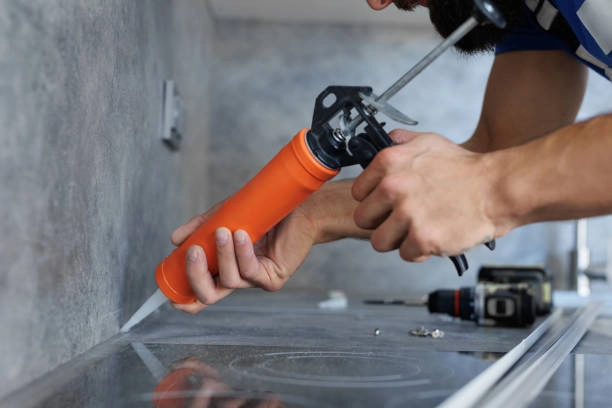
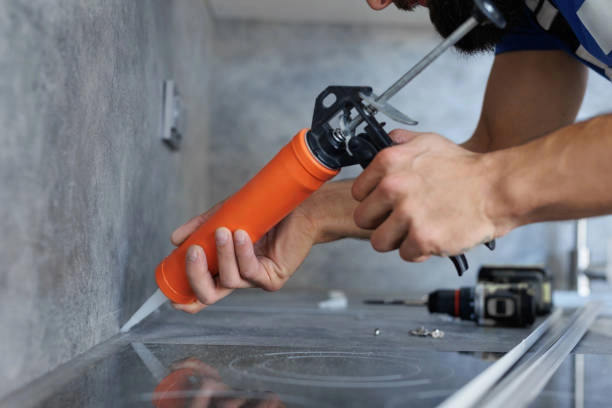
A 300 mL sealant cartridge may cover about 3 meters or more than 30 meters. The difference comes from joint width and depth, not the product label.
For a 5 mm × 5 mm joint, one cartridge provides about 12 meters of theoretical coverage. For a 10 mm × 10 mm joint, it covers only 3 meters. Site conditions reduce those figures, so a waste allowance is needed.
How Many Meters Can a 300 mL Sealant Cartridge Cover?
Coverage depends on the cross sectional area of the joint. A narrow bead uses little material. A wide or deep joint empties a cartridge quickly.
Typical theoretical figures are:
- 3 mm × 3 mm: about 33.3 meters
- 5 mm × 5 mm: about 12 meters
- 8 mm × 8 mm: about 4.7 meters
- 10 mm × 10 mm: about 3 meters
These numbers assume a uniform joint and full use of the cartridge. Real work is less tidy. Some sealant remains in the nozzle, some is removed during tooling, and joint dimensions often vary along masonry or concrete edges.
A 10% waste allowance is reasonable for regular work. Rough substrates or repair projects may need 15% to 20%.
What Formula Is Used to Calculate Sealant Coverage?
Sealant coverage is a volume calculation. It works best for rectangular joints, which are common in construction and glazing.
The Sealant Coverage Formula
Use this equation:
Coverage in meters = Cartridge volume in mL ÷ Joint width in mm ÷ Joint depth in mm
For a 300 mL cartridge:
Coverage in meters = 300 ÷ Joint width ÷ Joint depth
Both dimensions must be entered in millimeters. The result is theoretical and does not include waste.
The formula is less accurate for triangular beads, rounded fillets, or irregular gaps, though it still gives a useful purchasing estimate.
A Simple Calculation Example
Take a window perimeter joint measuring 6 mm wide and 6 mm deep:
300 ÷ 6 ÷ 6 = 8.3 meters
After allowing 10% waste, practical coverage is closer to 7.5 meters.
That figure often works on consistent aluminum frame joints. On rough concrete, it may be optimistic. A few wider sections can consume more material than expected.
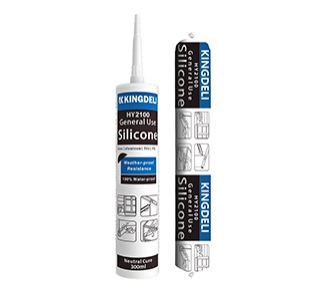
What Is the Coverage of a 300 mL Cartridge for Common Joint Sizes?
The table below compares common rectangular joints. The final column includes a 10% waste allowance.
| Joint Width | Joint Depth | Theoretical Coverage | Coverage With 10% Waste |
| 3 mm | 3 mm | 33.3 m | 30.0 m |
| 4 mm | 4 mm | 18.8 m | 16.9 m |
| 5 mm | 5 mm | 12.0 m | 10.8 m |
| 6 mm | 6 mm | 8.3 m | 7.5 m |
| 8 mm | 8 mm | 4.7 m | 4.2 m |
| 10 mm | 10 mm | 3.0 m | 2.7 m |
| 12 mm | 6 mm | 4.2 m | 3.8 m |
The 12 mm × 6 mm joint is a common façade profile. Its wide, shallow shape may suit movement applications, but the formula only measures volume. It does not confirm whether the design is correct.
What Factors Can Reduce the Actual Sealant Coverage?
Actual coverage is usually lower than the calculated figure. Common causes include:
- Uneven joint width or depth
- Oversized nozzle openings
- Excess material removed during tooling
- Sealant left in the nozzle
- Rough or porous substrates
- Deep gaps without a backer rod
- Stop start application and overlaps
Overfilling is often the main problem. An applicator lays a heavy bead, then removes a large amount with a profiling tool. The finished joint looks acceptable, but cartridge consumption rises.
Cold sealant can also be harder to gun smoothly. Very warm material may flow too quickly. Both conditions affect coverage.
How Do You Calculate the Number of Cartridges Needed for a Project?
Project quantity should be based on total joint length and actual dimensions.
Use this process:
- Measure the total length of all joints.
- Confirm the average width and depth.
- Calculate coverage per cartridge.
- Divide total length by cartridge coverage.
- Add a waste allowance.
- Round up to a whole cartridge.
For 100 meters of 6 mm × 6 mm joints:
100 ÷ 8.3 = 12.05 cartridges
Adding 10% gives:
12.05 × 1.10 = 13.26 cartridges
The order quantity should be 14 cartridges.
Large projects should separate different joint sizes. Combining bathroom joints, window perimeters, and façade joints into one average figure usually produces a weak estimate.
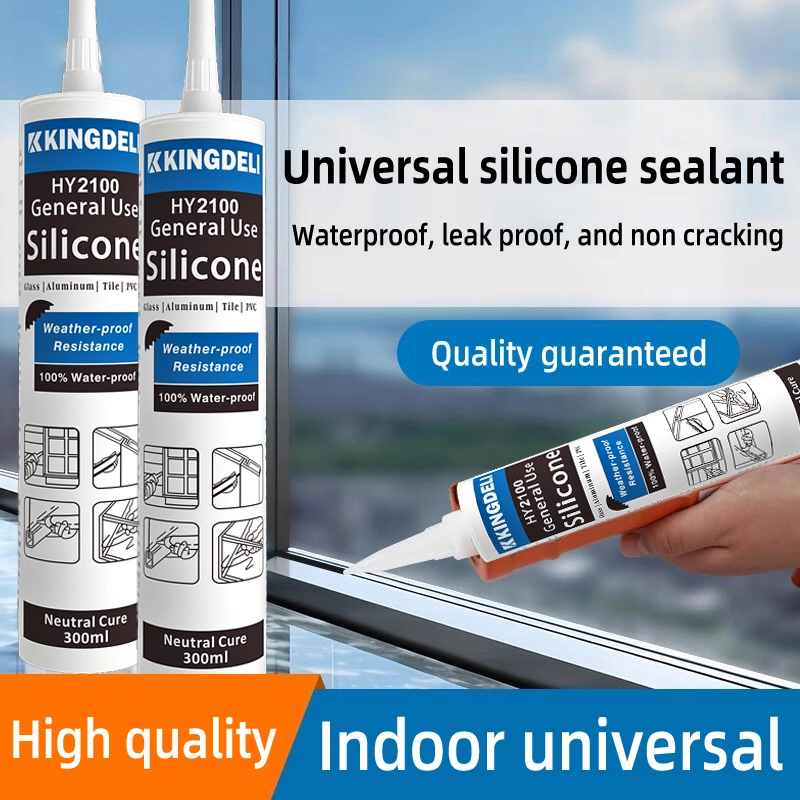
How Can You Reduce Sealant Waste During Application?
Waste is controlled mainly through preparation and application technique.
- Cut the nozzle slightly smaller than the joint width.
- Keep a steady gunning speed.
- Use a backer rod in deep joints.
- Tool the bead before skin formation.
- Clean dust, oil, and loose material.
- Test the bead size on a short section.
A backer rod is particularly useful. Filling a 20 mm deep gap completely with sealant is expensive and often creates poor geometry. A correctly sized backer rod controls depth and reduces material use.
What Joint Width to Depth Ratio Should You Use?
Coverage should not be increased by reducing sealant depth below the product requirement.
For many moving construction joints, a width to depth ratio near 2:1 is common. A 12 mm wide joint may use a sealant depth of about 6 mm. Narrow joints may need a different minimum depth.
The correct profile depends on sealant type, movement class, substrate, and exposure. Check the product technical data sheet before setting the backer rod depth.
Frequently Asked Questions About 300 mL Sealant Coverage
Q: How far does a 300 mL silicone cartridge go?
It usually covers about 3 to 33 meters, depending on the joint. A 5 mm × 5 mm joint gives around 12 theoretical meters, or about 10.8 meters with 10% waste.
Q: Is silicone coverage different from polyurethane sealant coverage?
The theoretical coverage is the same when cartridge volume and joint size are identical. Actual coverage may differ because viscosity, tooling behavior, and temperature affect the bead.
Q: Should I include extra cartridges in my order?
Yes. Add about 10% for regular joints. Use 15% to 20% for rough substrates, repair work, or uncertain dimensions.
Q: Can the formula be used for 600 mL sealant sausages?
Yes. Replace 300 with 600:
Coverage in meters = 600 ÷ joint width ÷ joint depth
A 600 mL sausage provides about twice the theoretical coverage of a 300 mL cartridge.
Conclusion: Calculate Before You Order
A 300 mL cartridge has no fixed coverage length. Measure the joint, use 300 ÷ width ÷ depth, then include realistic waste.
For large construction, waterproofing, or private label projects, KINGDELI can provide product recommendations, technical data, packaging options, and quantity support based on the required joint design.