
How Temperature and Humidity Affect Silicone Sealant Curing on Construction Sites
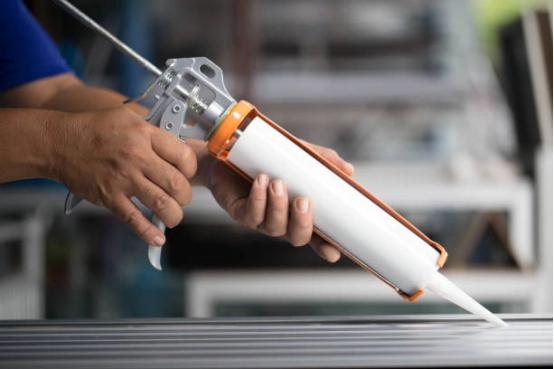
A silicone joint can look sound at the end of a shift and still fail the next morning. Cold glass, a damp edge or premature skinning can all be responsible. Temperature and humidity affect extrusion, working time and cure below the surface. The cure time on a product sheet is useful, but it is not a promise for every construction site.
How Does Silicone Sealant Cure?
Most one-component silicone sealants react with moisture in the air. A skin develops on the exposed face, then cure moves inward. A deep joint may therefore feel firm while its center remains soft.
Skin-over time marks the formation of that film. Tooling time is the usable period for shaping the bead. Tack-free time comes later. Full cure means the required depth is ready for service. Joint dimensions and ventilation affect every stage. The technical data sheet remains the working reference.
How Temperature Affects Silicone Sealant Curing
Temperature changes both reaction rate and handling. Air temperature matters, but the substrate can be much hotter or colder than the reading taken in the shade.
Low Temperatures Slow the Curing Process
Cold slows the moisture-curing reaction and makes sealant harder to extrude. The bead may tool poorly and stay vulnerable for longer.
This appears quickly when sealing aluminum frames on a winter morning. The cartridge feels stiff. The bead holds tool marks. If the frame is below the dew point, condensation may exist even when it looks dry. Sealant applied over that film can lose edge contact.
Frost and ice are clear stop signs. Let cold cartridges reach the application condition stated in the technical data sheet.
High Temperatures Can Reduce Working Time
Warm conditions usually shorten skin-over time. On sun-heated metal or dark stone, a long facade joint may skin at one end while the other is still being gunned.
Rushed tooling can leave ripples or weak edge contact. Hot material may also flow faster than expected. Measure the joint surface, not only the air. Shade or off-peak scheduling often produces a cleaner result.
How Humidity Affects Silicone Sealant Curing
Humidity supplies moisture for one-component silicone. More generally speeds skin formation. Less extends the wait, especially in a thick bead.
Low Humidity Causes Slow Through-Cure
Dry winter air can delay curing even in a heated building. Air conditioning can do the same. The surface may become tack-free while the inner material remains weak.
This matters in deep perimeter joints and assemblies moved soon after sealing. Use the stated cure-depth data. Allow extra time when the room is dry or poorly ventilated.
High Humidity Usually Accelerates Curing
Humid air normally promotes faster curing and can shorten tooling time. After summer rain, a skin may appear sooner than during a dry trial installation.
High relative humidity does not make a wet substrate acceptable. Condensation or rain can interrupt adhesion. Apply standard silicone only to properly prepared surfaces unless the product is approved for wet application.
What Happens When Temperature and Humidity Interact?
Temperature and humidity should be assessed together. One reading rarely tells the whole story.
| Jobsite condition | Expected curing behavior | Main risk |
| Cold and dry | Very slow skinning and through-cure | Joint movement or contamination before cure |
| Cold and humid | Slow reaction with possible condensation | Adhesion failure on damp surfaces |
| Hot and dry | Faster skinning but slower deep cure than expected | Surface appears cured while the center remains soft |
| Hot and humid | Rapid skin formation and curing | Tooling window becomes too short |
A touch checks only the outer skin. Conditions also vary across a project. An exterior curtain wall may be hot while an interior joint stays cool. Record readings where the sealant is installed.
Signs That Jobsite Conditions Are Disrupting the Cure
Warning signs include prolonged tackiness or skinning before tooling is complete. Watch for wrinkling, bubbles and edge separation. A firm surface over a soft center indicates incomplete through-cure.
Weather is not the only cause. Expired material, cleaner residue and incorrect joint depth can look similar. Check batch information and preparation records before blaming the sealant.
Best Practices for Reliable Silicone Curing on Construction Sites
A short pre-application check prevents most weather-related problems:
- Review the sealant technical data sheet before work begins.
- Measure ambient temperature, substrate temperature and relative humidity.
- Confirm that joint surfaces are clean and dry. Remove frost, oil and dust.
- Store cartridges within the manufacturer’s recommended range.
- Let cold cartridges stabilize before opening them in a warm, humid area.
- Schedule exterior work around rain, extreme heat and overnight temperature drops.
- Protect uncured joints from water, dirt and excessive movement.
- Use the specified bead depth, backing material and joint geometry.
- Finish tooling within the stated working time.
- Add curing time in cold, dry or poorly ventilated areas.
- Run an adhesion test on unfamiliar substrates.
- Do not paint, load or put the joint into service before adequate cure.
On larger sites, add these checks to the installation log. That record is more useful than a photograph of a failed bead.
Choosing the Right Silicone Sealant for the Application
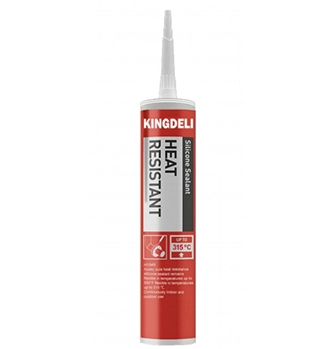
Climate is only one selection factor. Substrate compatibility, movement and service temperature also matter. Neutral silicone sealant suits many materials needing a non-corrosive cure. Exterior joints may require a weatherproof silicone sealant. Hot service points toward a heat-resistant silicone sealant. Compatible glazing may use an acetic silicone sealant.
No label replaces an application review. Share the joint dimensions and expected conditions with the supplier before ordering.
Conclusion: Control the Conditions Before Sealing the Joint
Temperature controls reaction speed and handling. Humidity provides the moisture needed for cure. Neither can compensate for a wet or poorly prepared surface.
Measure conditions at the joint. Protect the bead during cure. For unusual climates or substrates, contact KINGDELI with the project details to discuss a suitable sealant and supply option.
Frequently Asked Questions
Q: Does silicone sealant cure faster in heat or cold?
It generally cures faster when warm. Excessive heat shortens tooling time, while cold slows skin formation and through-cure.
Q: Does silicone need humidity to cure?
Most one-component silicones need airborne moisture. Low humidity can delay deep curing. The rate depends on formulation and bead size.
Q: Can silicone sealant be applied to a damp surface?
Standard silicone should normally be applied to a clean, dry surface. Use on damp material only when the technical data sheet explicitly permits it.
Q: How can full cure be confirmed on site?
Do not rely on touch alone. Follow the cure-rate data and account for joint depth, temperature and humidity before loading the joint.