
How to Choose Silicone Sealant for Glass Glazing and Window Manufacturing
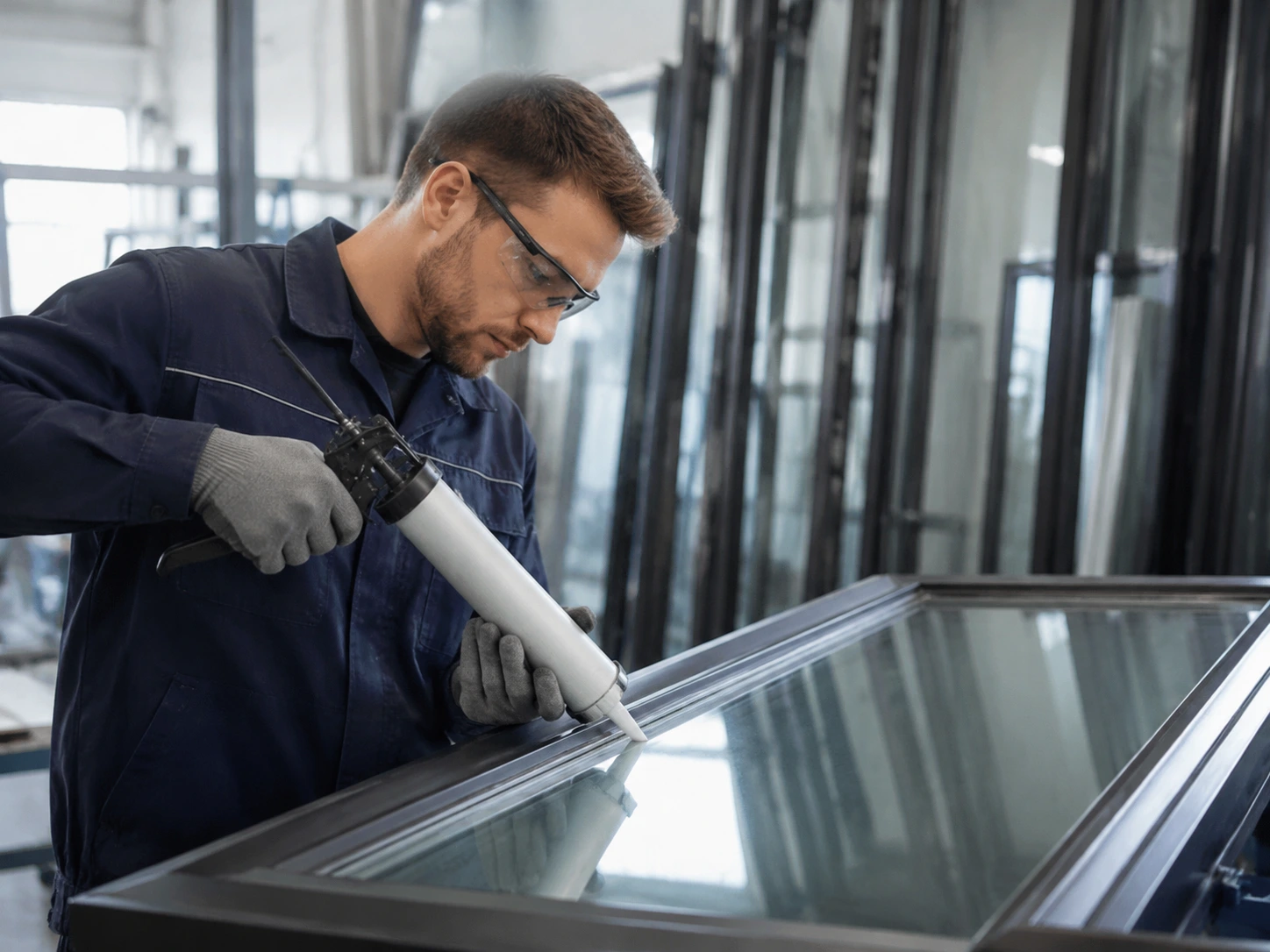
When you look at a modern glass façade or a sleek window system, what holds everything together is not just metal or glass. The silicone sealant does the quiet and important work. The right silicone sealant for windows and doors decides how well a building stands up to wind, rain, and temperature shifts. It is not only about sticking materials together. It is about long-term performance, safety, and efficiency.
The Importance of Silicone Sealants in Building Applications
Silicone sealants are liked for their bend, long life, and strong weather resistance. They create tight barriers that hold air and water out. This keeps energy loss low and the building strong. Their stretch lets them move with heat changes between glass and frame. They do not crack or lose grip.
Silicone sealant starts as a paste. Makers mix polydimethylsiloxane as the main part with crosslinking agents, fillers, plasticizers, coupling agents and catalysts under vacuum. It cures at room temperature. It reacts with water in the air and turns into an elastic silicone body.
They give three times longer protection against early failure. They offer a long life, good value, easy fit to different climates, and strong hold against UV rays, ozone, rain, snow, and big temperature swings compared to organic products.
Key Functions in Glass Glazing Systems
In glazing systems, silicone sealants do many jobs:
- Bond glass firmly to frames while taking in vibration or building movement
- Stop water, air leaks, and dust buildup
- Help insulated glass units last longer
- Keep their stretch under heavy stress
They matter a lot in curtain walls. Looks and strength meet there. The sealant stays out of sight yet stays essential.
Types of Silicone Sealants Used in Glass Glazing
Different jobs need different mixes. Here are the main kinds used by pros.
Structural Silicone Sealants
Structural silicones are made for load-bearing jobs like curtain walls or big glass panels. Their main job is bonding. They attach one material to another with strong grip. They hold glass panels tight even under heavy wind or temperature swings.
For example, KINGDELI’s HY‑4300 Structural Silicone Sealant is a high modulus one-component, neutral cure adhesive made for silicone structural glazing. It has strong anti-aging and waterproof traits. It stays steady between −50 °C and +250 °C after curing. This makes it good for façade bonding where trust counts most.
Weatherproofing Silicone Sealants
Weatherproof silicones form the outer shield against moisture and UV light. They do not carry structural loads. They keep joints sealed even when things move or weather turns rough.
Weatherproof sealants seal curtain wall joints. They keep the wall tight against air and water. They must also allow some movement. This means they handle changes in joint width from expansion or shrink without losing grip. HY‑3300 Weatherproof Neutral Silicone Sealant is one example. It is 100% silicone with good water resistance, UV stability, and long life tested under ASTM C920‑18 rules.
Clear Silicone for Glass Applications
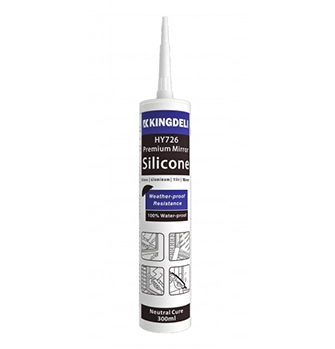
For designers who want joints that do not show, like in aquariums or frameless partitions, clear silicone for glass works well. Transparent mixes like HY‑726 Premium Clear Neutral Silicone Sealant give clean bonding without color change over time. It is non-toxic, RoHS compliant, waterproof, and mildew-proof. It keeps performance from −60 °C to 200 °C.
Clear silicones often go into indoor work where looks matter as much as strength. Display cases, shower enclosures, or decorative glazing all gain from their see-through look.
Key Factors to Consider When Choosing a Silicone Sealant for Windows and Doors
Picking the right product is not only about color or price. Fit and performance decide success on window lines.
Compatibility with Substrates and Materials
Always check chemical fit with substrates such as aluminum frames, coated glass, PVC profiles, or stone surfaces. Some coatings may react with acidic silicones and cause rust or color change. Neutral-cure types are safer for sensitive materials like mirrors or metals. Our products show good grip on many industrial materials. These include glass, ceramics, wood, painted surfaces, and many metals and plastics.
Performance Requirements Based on Application Environment
Buildings face many climates. UV exposure hits coastal areas hard. Freeze-thaw cycles affect inland spots. Pick sealants tested for weather extremes that keep their stretch after curing. Many KINGDELI products hold good performance between −50 °C and +150 °C after curing. They seal well even in tough conditions.
Adhesion Strength and Curing Characteristics
Production speed counts on manufacturing lines. Fast-curing mixes cut wait time before the next assembly step. Checking ASTM C920 or ISO 11600 approvals makes sure mechanical strength meets world standards.
| Property | Recommended Standard | Benefit |
| Tensile strength | ASTM C920 | Keeps joints strong under load |
| Movement capability | ISO 11600 | Shows stretch under expansion or shrink |
| VOC compliance | REACH / RoHS | Ensures safe use for the environment |
Evaluating Product Quality and Certification Standards
Steady quality sets pro-grade sealants apart from plain options.
International Standards for Silicone Sealants
Products checked under known standards like ISO 11600 or ASTM C920 give steady quality from batch to batch. KINGDELI’s range carries approvals from Intertek and TUV SÜD labs. This proves they meet CE marking needs and VOC limits.
Environmental care also counts. Low-VOC mixes cut emissions during use while keeping bond strength close to older versions.
Importance of Manufacturer Reliability and Technical Support
A steady supplier does more than sell cartridges. It gives technical help on surface prep, joint design, and curing conditions. Our QC team checks quality from raw materials to finished goods. This makes sure all products meet set quality rules before they ship. Access to detailed technical data sheets helps engineers confirm fit before work starts.
Long-term ties often depend on steady batch quality and quick after-sales help. This matters most when projects cover many regions with different climate needs.
Why Choose KINGDELI
KINGDELI has built its name since 1998 as a large adhesive manufacturer based in Foshan, China. It has over 66 000 m² of production space and puts out 60 000 tons a year. It mixes strong R&D skill with tight quality control systems that follow ISO rules.
The R&D team focuses on UV stability, low shrink rates, and long-lasting stretch for architectural façades such as curtain walls or skylights. Responsive export teams handle OEM changes and packaging from 280 ml cartridges to 600 ml foils. KINGDELI gives both trust and flexible options for projects of any size.
FAQs
Q1: What type of silicone sealant is best for windows exposed to sunlight?
Use a neutral-cure weatherproof silicone tested for UV resistance such as those meeting ASTM C920 standards. These keep their stretch under long sun exposure.
Q2: Can I use clear silicone for both interior and exterior glass applications?
Yes. High-quality clear silicones rated between −50 °C to +200 °C can go indoors or outdoors if labeled weather-resistant.
Q3: How do I know if my sealant is compatible with coated aluminum frames?
Check the maker’s TDS. Neutral-cure mixes are usually safe. They do not cause rust on metals or coatings.
Q4: What certification should I look for when choosing structural glazing silicone?
Look for compliance with GB16776‑2005 or ISO11600 along with ASTM C920 checks. This ensures load-bearing trust.
Q5: How long does a professional-grade silicone seal last around windows?
Depending on exposure and care, premium architectural silicones can work well for decades without big loss of strength thanks to their UV-ozone resistance traits.