
How to Start Your Own Sealant Brand with OEM Manufacturing
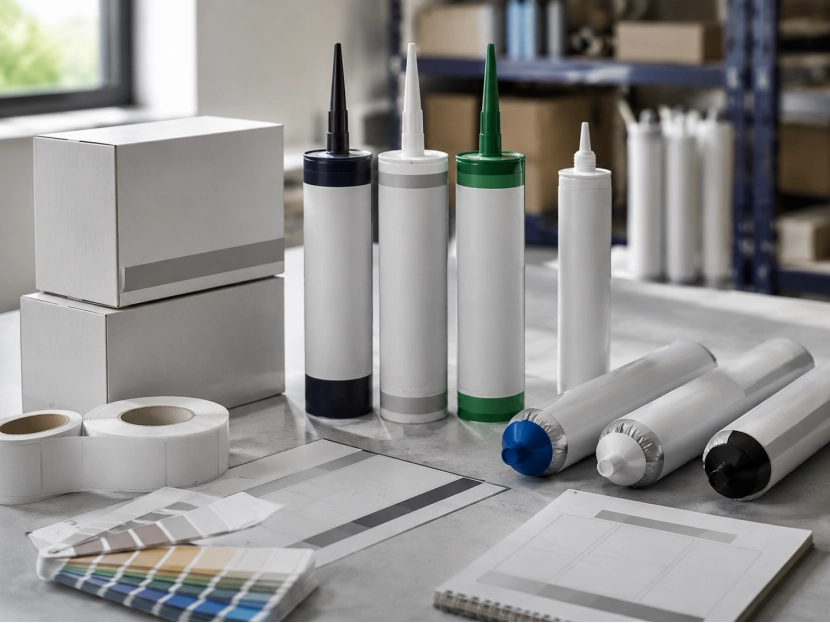
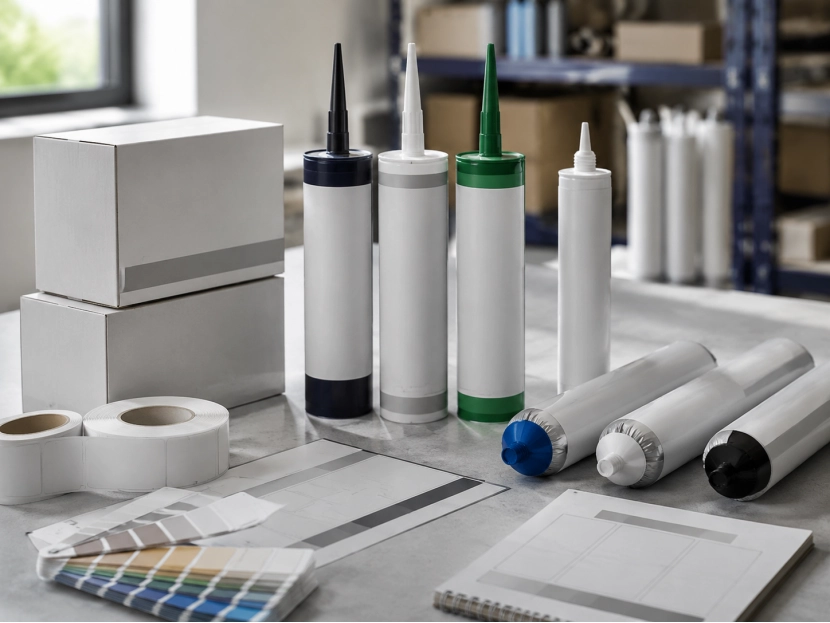
Starting a sealant brand today isn’t just about putting your logo on a tube. It’s about knowing the chemistry, the market gaps, and the manufacturing backbone that can turn your idea into a real business. OEM partnerships make this possible by letting you use existing production know-how while you focus on branding, distribution, and growth.
What Is OEM Sealant Manufacturing?
OEM sealant manufacturing refers to the production of sealants under your own brand name with the support of a manufacturer or supply partner. It’s a smart way for new brands to get into the market fast without building their own factories or R&D teams.
OEM manufacturers usually give flexible product changes—from silicone and polyurethane sealants to hybrid adhesives—plus packaging design and labeling help. This way works well for construction supply distributors, hardware retailers, and private label firms that want steady quality without heavy running costs.
Why Start Your Own Sealant Brand?
Your customers will remember not only the product category, but also your brand. Private label products allow you to establish your own pricing system. You can offer economy, standard, professional, or premium products to different customer groups. Contractors and retailers are more likely to make repeat purchases when product quality and packaging remain consistent.
A well-designed range of sealants can help you stand out from ordinary suppliers. You can adjust formulas for certain climates or uses—for example, UV-resistant silicone for hot places or low-VOC sealants for buyers who care about the planet. With OEM help, even small firms can go up against big names by giving special solutions that still hold steady quality.
How to Start Your Own Sealant Brand
Building a private label line takes more than picking colors and caps. Each step shapes how your products work in real jobs and how people see your brand.
1. Define Your Target Market
First, figure out who you sell to. Contractors? DIY users? Industrial clients? Each group cares about different things—price for retail buyers, performance papers for pros. Knowing this helps you pick the right product types and pack sizes.
2. Build a Basic Product Range
Start with key types that cover common needs instead of rolling out many SKUs at once. A simple starter set might include:
| Category | Example Product Type |
| Silicone Sealant | General-purpose or neutral cure |
| Acrylic Sealant | Paintable interior use |
| Polyurethane Sealant | High-strength bonding |
| MS Polymer Adhesive | Hybrid flexible adhesive |
Once sales grow, add special lines like fire-resistant or structural glazing sealants.
3. Choose Products Based on Application
Uses shape performance needs more than chemical bases do. Sorting your range by job makes it easier for distributors and users to pick right.
- General Construction: A basic silicone or acrylic sealant works for joints around concrete, brick, or drywall in most building jobs.
- Window & Door: Pick flexible mixes that handle movement between frames and walls without cracking or shrinking later.
- Roof & Facade: Weatherproofing matters most here. Choose UV- and heat-resistant silicones or hybrid polymers made for outside sealing.
- Sanitary & Interior Decoration: Mold-resistant sanitary silicones fit bathrooms and kitchens where moisture stays high all the time.
- Stone & Panel Bonding: Neutral cure silicones stop stains on natural stone. Strong adhesives keep panels steady for years.
4. Decide Your Quality Levels
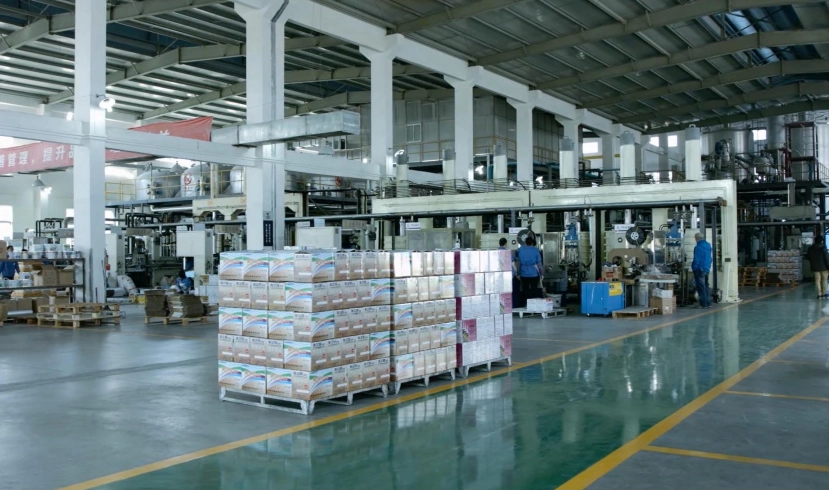
Markets want different price points. Some buyers like low-cost choices for big projects. Others need top-grade items that meet ISO or ASTM rules. Talk with your OEM supplier about the grades they offer—economy, standard, or pro—so you can set each level clearly.
5. Confirm Technical Requirements
Technical data sheets list cure time, pull strength, stretch rate, heat limits, and other key facts. Check that these match local building rules or buyer needs before you lock in any formula. If you plan to ship abroad, look at rules like REACH in Europe or VOC limits in North America.
6. Plan Your Packaging
Packaging does more than look nice. It affects how easy the product is to use and how long it lasts. Choose cartridges (280–300 ml), sausages (400–600 ml), pails, or drums based on job size.
For design:
- Keep info clear: product name, job area, cure type.
- Pick strong materials that stand up to solvents.
- Make sure barcodes and safety marks meet store rules.
Your OEM partner can usually print and fill based on your art files.
7. Prepare Your Brand System
A full brand system goes beyond a logo. It covers color match across labels, cartons, papers, and your online pages. Spend time early on the look so people spot your items fast on shelves or sites.
Also think about how you sound: clear and helpful works best in building materials sales because buyers want straight facts over heavy terms.
8. Request Samples Before Bulk Order
Always test samples before you order big. Try them in real conditions that match your users—humidity, surface types—then check stick strength and cure behavior yourself or with outside labs.
This step stops expensive gaps between what you expect and what you get later.
9. Confirm MOQ, Lead Time and Shipping Details
Every sealant manufacturer sets minimum order quantities differently based on pack type and how much you want changed. Ask about these numbers and lead times for first runs and later orders.
Don’t forget shipping. Some sealants can spoil if they get too hot or cold on the way. Sort out incoterms (FOB/CIF) before you sign anything so no surprises pop up.
Common Mistakes When Starting a Sealant Brand
Many new brands jump into design without checking if the formula fits the end-use setting. Others miss how pack style shapes how people view the product—plain tubes can make even good sealant look weak.
Another common slip is skipping sample checks because of time. This often brings complaints when batches act different on site. Last, uneven pricing across sellers hurts trust fast. Keep margins open from the start to build steady relationships.
Final Thoughts
Building your own sealant line through OEM work mixes business drive with factory know-how. It gives room to move while keeping quality solid—as long as you pick a maker who knows both the chemistry and the market.
If you are planning to develop your own private label sealant range, KINGDELI can help you select suitable products, prepare packaging options and build a practical OEM product line for your target market.
FAQs
Q1: What does an OEM sealant manufacturer do?
An OEM sealant manufacturer makes custom products that another company sells under its own brand while keeping quality the same from batch to batch.
Q2: How much investment is needed to start a private label sealant line?
Costs change with MOQ size, how much pack work you want, cert fees, and marketing spend. They are usually lower than building your own plant.
Q3: Can I modify formulas when working with an OEM partner?
Yes. Good makers often allow changes like cure speed or thickness within rules once lab tests show the mix stays stable.
Q4: How long does it take from concept to first shipment?
Most cases take 6–10 weeks with sample checks. Times can stretch if you need several pack designs.
Q5: Are there eco-friendly options available in OEM sealants?
Many makers now offer low-VOC silicones or solvent-free hybrid adhesives that meet green building rules without losing strength.