
Self-Leveling vs. Non-Sag Sealants: How to Choose the Best for Joints
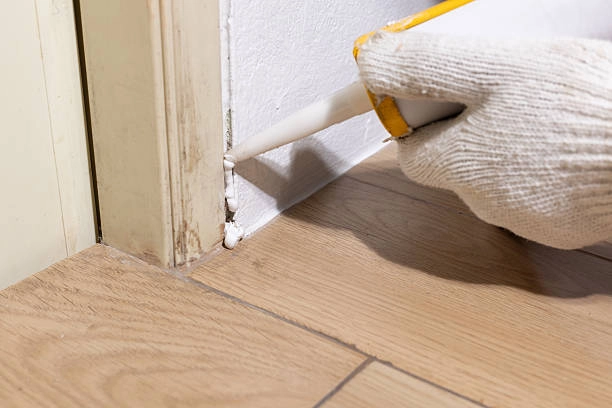
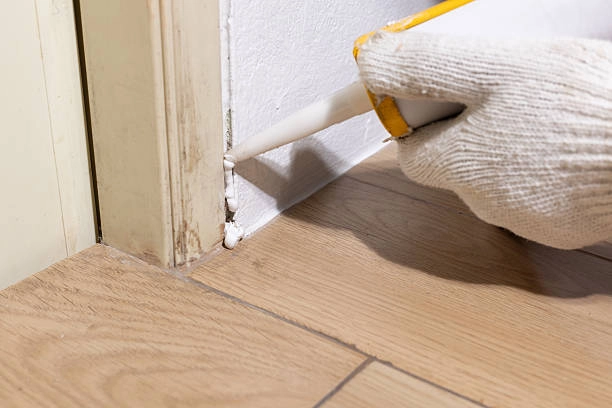
Understanding the Core Differences Between Self-Leveling and Non-Sag Sealants
Choosing a sealant based solely on the chemical label is a common mistake; the rheology—how the material flows—is just as critical for a lasting bond. Self-leveling sealants possess a low viscosity, pourable consistency designed to flow into gaps. They are essentially liquid enough to seek the lowest point within a joint, creating a smooth finish without effort. Conversely, non-sag (or gun grade) sealants feature a high viscosity, thixotropic nature that holds its shape. This thixotropy is a fancy way of saying the material becomes fluid when under pressure—like being pushed through a nozzle—but stands firm once that pressure is released.
The chemistry behind these behaviors is diverse. The chemical composition of both types can vary across silicone, polyurethane, and hybrid MS polymers. For instance, a polyurethane might be formulated as a pourable grade for floors or a stiff grade for walls.
When Should You Specify a Self-Leveling Sealant?
Does your job involve a flat, horizontal floor? If so, a self-leveling option is usually the better pick. It saves time and looks very even.
The Mechanics of Gravity Assisted Application
The true value of these goods comes from simple physics. These sealants use gravity to form a completely flat top. You do not need hand tools to smooth them. Picture a long crack across a warehouse floor. You just pour the liquid inside. Then, it flattens out on its own. This trait makes it great for fixing flat cracks, open spaces, and holes. It works well on many building materials. It is especially useful for horizontal expansion joints. You will often see it in busy spots like parking garages, driveways, and factory floors.
This watery state does more than look nice. It guarantees complete contact with the inner walls of the joint. This close touch lowers the chance of trapped air or weak bonds. When you use a thick, non-sag paste, you could leave an empty space next to the concrete by mistake. A self-leveling sealant avoids this problem. It runs into every tiny corner. It gives deep penetration into cracks. It also provides strong waterproofing, even if the building site is slightly damp.
Efficiency Gains for Large Scale Horizontal Projects
Time is money on a job site. You can achieve faster installation times by pouring or pumping material directly into long floor joints. There is no need to bend over and tool every inch of the bead. This leads to reduced labor costs as the material self finishes, eliminating the need for professional tooling skills. It is a massive advantage when dealing with roads, airport runways, and plazas where joints can stretch for miles.
Why Non-Sag Sealants are Essential for Vertical and Overhead Joints
Try using a self-leveling product on a window frame and it will end up in a puddle on the floor. For anything off the horizontal plane, non-sag properties are non-negotiable.
Defying Gravity: The Importance of Thixotropy
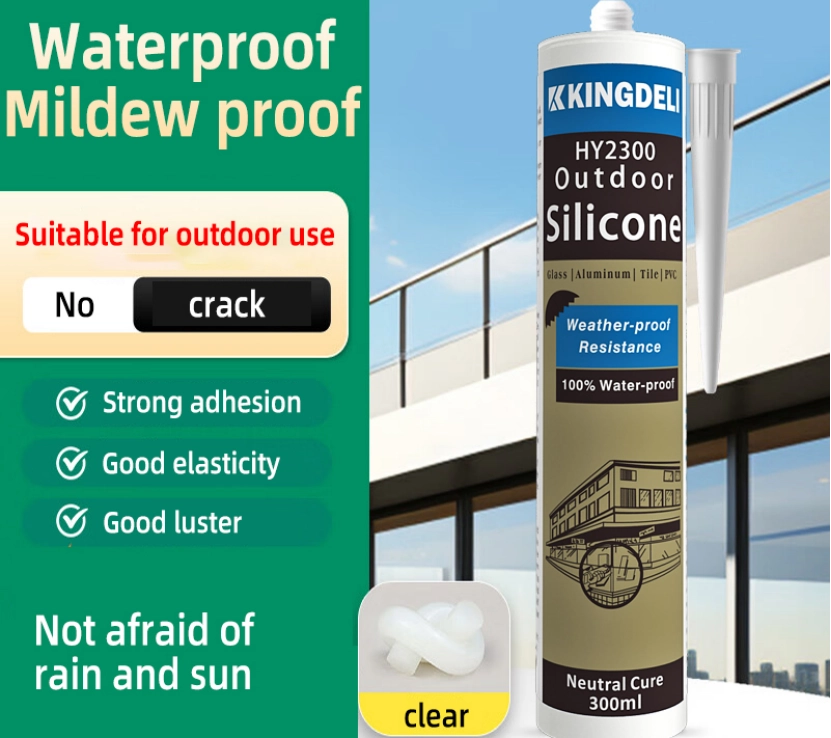
A true gun grade sealant must stay put. Non-sag sealants are engineered to remain exactly where they are applied without slumping or running down a wall. This is critical for vertical expansion joints, window perimeters, and ceiling to wall transitions. Products like outdoor neutral silicone sealant with anti-sagging properties are designed to address these challenges.
Furthermore, the stiff consistency allows for intricate tooling to create a concave or beveled bead for water shedding. This is particularly important for perimeter sealing of doors, windows, skylights, counter top, billboard, sanitary, kitchen and bath. You can shape the sealant to ensure water runs off the joint rather than sitting on it.
Versatility Across Sloped and Irregular Surfaces
Not every “floor” is perfectly flat. Non-sag products are essential for joints on inclines where a self-leveling product would pool at the lowest point. If there is a slight ramp or a pitched roof, a self-leveling sealant will migrate, leaving the high end of the joint empty. A non-sag formula provides structural support within the joint during the curing process on uneven substrates, ensuring the bead thickness remains consistent throughout.
How Do Environmental Factors Influence Your Choice?
The environment dictates how these materials behave during that critical window between application and cure. Temperature fluctuations during application can affect the flow rate of self-leveling products. In extreme heat, they might become too thin; in the cold, they might refuse to level.
Also, high moisture environments require specific chemical bases (like MS polymers) to ensure the sealant doesn’t bubble. Polyurethanes are notorious for “outgassing” when they hit moisture, creating tiny bubbles that ruin the seal. Finally, joint movement capability (Class 25, 35, or 50) must be matched to the expected thermal expansion of the building materials. If the building moves more than the sealant can stretch, the flow type won’t matter—it will fail.
Technical Selection: Which Sealant is Right for Your Specific Joint?
Selecting the right tool for the job requires looking at the geometry and the material of the joint itself.
A Comparison of Joint Geometry and Orientation
Horizontal joints wider than 1 inch often benefit from the even distribution of self-leveling types. They fill the volume more predictably. However, fillet joints and corner seals exclusively require non-sag properties to maintain the necessary triangular profile. If you are sealing a toilet corner line or a bathroom counter top, you need that non-slump performance to bridge the 90 degree gap.
Substrate Compatibility and Preparation Requirements
Substrates matter immensely. Porous surfaces like concrete may require primers to prevent “outgassing” bubbles in self-leveling beads. Without a primer, air trapped in the concrete pores can expand into the liquid sealant as it cures. On the other hand, non-sag sealants offer higher initial “green strength” for immediate hold on smooth substrates like glass or metal. This is why structural silicone sealant is used for sealing joint for glass, marble, and aluminum curtain wall project; it needs to stay exactly where the gun puts it.
Common Application Pitfalls to Avoid in Professional Projects
Even the best material fails if the application is sloppy. One major issue is slope. Using self-leveling sealant on a surface with even a 2% grade can result in uneven thickness and wasted material. It looks flat to the eye, but the sealant knows better and will drift.
With gun grade products, over tooling non-sag sealants can lead to thinning at the bond line, compromising the long term seal integrity. If you press too hard with the spatula, you leave too little material to handle movement. Most importantly, neglecting backer rod depth can cause three sided adhesion, leading to premature sealant failure in both types. The sealant must only bond to the two sides of the joint, not the bottom, to allow for proper stretching.
Ready to choose the right sealant for your project?
Contact KINGDELI today to discuss your joint sealing requirements and get expert product recommendations for your next project.
FAQ
Q: Can I use a self-leveling sealant on a vertical crack?
No. It will run out of the crack and pool at the bottom before it has a chance to cure. Use a non-sag sealant like HY-2100 General Use Neutral Silicone Sealant instead.
Q: Are self-leveling sealants only for concrete?
While common in concrete expansion joints, settlement joints, and cutting joints, they can bond to various substrates. HY-682, for example, bonds effectively to nearly all surfaces (except PE, PP, and PPR).
Q: Do I need to tool a self-leveling sealant?
Generally, no. The material is designed to self finish, eliminating the need for professional tooling skills. However, you must ensure the joint is clean and the backer rod is set at the correct depth first.