
Is Silicone Sealant Toxic When Cured? Health and Safety Facts
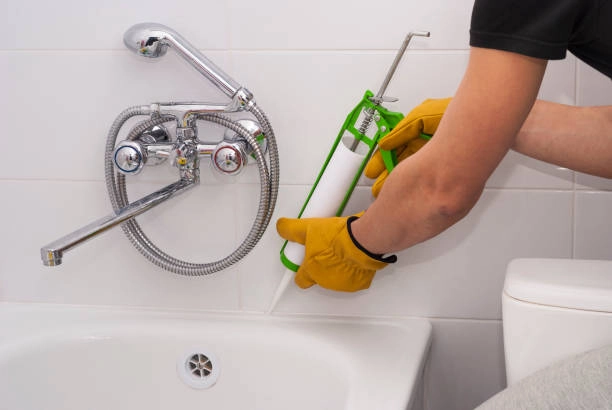
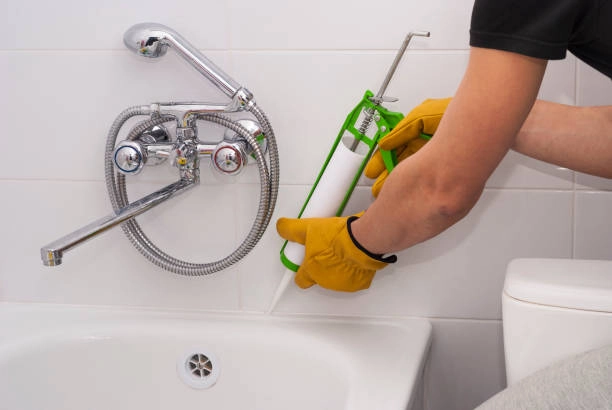
Silicone sealants are essentially liquid chemistry that transforms into a solid through a reaction with environmental moisture. This process, known as vulcanization, is where the safety profile of the material changes most drastically.
What Happens During Silicone Curing
When you squeeze that bead out of the tube, it is in a “wet” state, releasing volatile organic compounds (VOCs) or specific byproducts like acetic acid depending on the formula. Once the reaction finishes, the material becomes a stable, inert elastomer. It cures at room temperature to form a durable, flexible elastomer with excellent adhesion to most building substrates.
This transition is critical because, while the liquid form requires ventilation and careful handling, the cured form is generally considered non-reactive and safe for incidental contact.
Different Types and Their Safety Profiles
Not all silicone sealants are built the same way. The curing “byproduct”—what the sealant breathes out while hardening—determines how you should handle it and where it can be used safely.
Neutral Silicone Sealant
Neutral cure sealants are the preferred choice for indoor applications and sensitive materials because they don’t release harsh acidic fumes. HY-2100 is a one component, neutral cure silicone sealant designed for versatile construction and interior sealing applications.
These products typically exhibit low VOC, low odour, making them much more comfortable to work with in confined spaces like bathrooms or kitchens. Because they are Non-corrosive to metal, coating glass, concrete and marble etc., they don’t cause chemical damage to the surfaces they protect.
Acetoxy Silicone Sealant
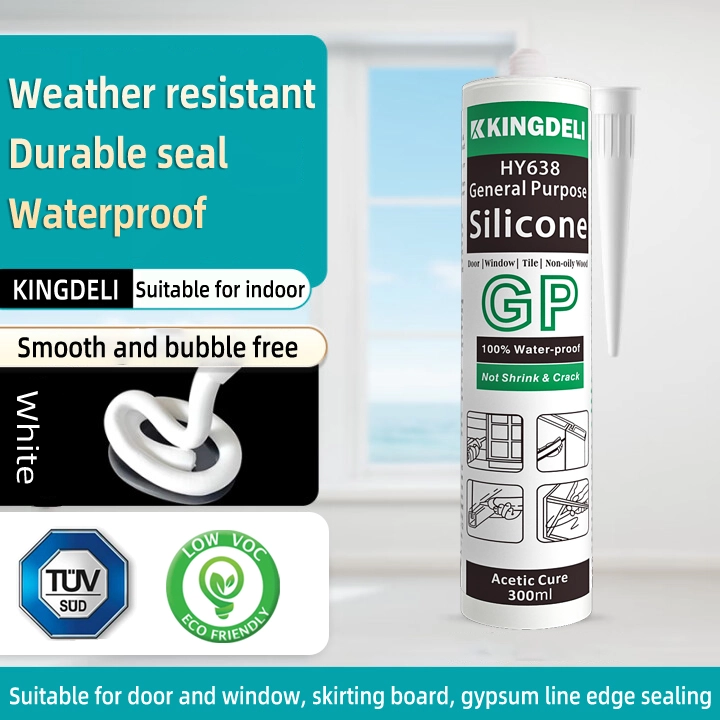
You probably know these by the distinct, sharp smell of vinegar. HY-638 Economic General Purpose Acetic Silicone Sealant is a one component, shelf stable, acetoxy curing silicone sealant designed for general purpose sealing and bonding applications.
The “vinegar” smell is actually acetic acid being released during the cure. While effective and fast curing, you wouldn’t want to use these on sensitive metals or in poorly ventilated areas. However, once the smell is gone, the sealant has Excellent waterproof property and is perfectly safe for its intended environment.
Food and Medical Grade Silicone
In environments like aquariums or food prep areas, the chemistry must be even cleaner. For instance, HY-732 acetic silicone sealant is solvent free silicone sealant that does not contain chemicals harmful to living organisms in its content, used in the aquarium production.
This is a vital distinction; After it is cured it does not hard fishes or living creatures. True medical or food grade silicones undergo even stricter testing to ensure no leaching occurs.
Industrial and Construction Grade Sealant
These are the heavy hitters used in skyscrapers and factories. HY-4300 Structural Silicone Sealant is a high modulus one component, shelf stable, neutral cure, elastomeric adhesive specifically for formulated for silicone structural grazing. While safety is still a priority, these focus more on Superior properties of anti-aging, weatherproof, waterproof, ozone resistant and anti ultraviolet. They are designed to withstand the elements rather than direct human contact.
Factors That Affect Toxicity
The “safety” of a cured sealant isn’t just about the label; it’s about how it was made and how it was put in.
Quality of Raw Materials
Cheap sealants often use “fillers” or unrefined solvents to cut costs. High quality manufacturing, like what we see at KINGDELI, operates fully automated production lines, ensuring quality control from raw materials to finished products. When the raw ingredients are pure, the resulting cured silicone is significantly more stable and less likely to off gas over time.
Environmental Conditions
Temperature and humidity aren’t just for comfort; they dictate the quality of the chemical bond. Most sealants have a specific Operation temperature between 4℃ and 40℃. If you apply silicone in freezing or boiling conditions, the cure might be incomplete, potentially leaving “pockets” of uncured, toxic material inside the bead.
Installation Quality
If a sealant is applied too thick or in a completely enclosed space, it might never fully cure. Cure depends on ambient humidity. Without enough air, the center of a thick bead remains a liquid paste, which is not safe.
Safety Standards That Define High Quality Sealants
- RoHS (Restriction of Hazardous Substances) ensures the absence of heavy metals like lead and mercury. HY-726 Premium Clear Neutral Silicone Sealant is a prime example, as it is Non-toxic and meets RoHS standards.
- REACH compliance monitors the use of chemical substances to protect human health and the environment. This is a massive framework that forces manufacturers to be transparent about what is in their tubes.
How KINGDELI Prioritizes Health in Sealant Manufacturing
Advancements in Low VOC and Non-Toxic Formulations
Manufacturing has come a long way since the 90s. There is a heavy Focus on neutral cure technology to eliminate the harsh odors associated with traditional sealants. By developing products like the HY-722 Premium Neutral Sanitary Sealant for Bathrooms, Kitchens & Wet Areas, we ensure that the product is Green and environment friendly. Rigorous testing protocols ensure that our exported products meet the stringent health codes of global markets.
Selecting the Right Sealant for Your Project Requirements
You have to match the tool to the task. Evaluate whether the application requires anti-fungal properties or high temperature resistance. For a bathroom, you need Excellent anti-fungus and aging resistance to prevent mold, which is a health hazard in itself. Matching the curing chemistry to the substrate prevents unintended chemical reactions. To help with this, KINGDELI provides detailed Material Safety Data Sheets (MSDS) to assist buyers in risk assessment.
Common Questions Regarding Cured Silicone Safety
Can cured silicone be safely handled by children or pets?
Yes, generally. Once fully cured, silicone is an inert plastic like rubber. However, it is not a toy and should not be chewed on.
What happens if cured silicone is accidentally ingested?
Cured silicone is not digestible. While usually not “toxic” in the sense of being a poison, it can be a choking hazard or cause intestinal blockages. If a pet eats a large chunk of cured sealant, a vet visit is needed—not because of chemicals, but because of the physical obstruction.
Does the color or pigment of the sealant affect its toxicity levels?
In high quality brands, no. KINGDELI offers customized solutions in colors and specifications using stable, integrated pigments. In “bargain” brands, however, some cheap pigments can contain heavy metals, which is why checking for RoHS compliance is so important.